Northern Japan (summer 2025)
2025-10-05
Every person and every place is soaked in the ideas, the history, the feelings that have made it; when you prod and wring them, these things, which together constitute the whole of the human world, seep out. That’s why we travel, or read, or talk to people. We slowly collect these pieces and find ways to put them together to build the world for ourselves.
Different places give you different pieces. For example, one of the nice things about traveling to areas farther away from major metropolitan hubs is that you can often recover a deeper timescale and a more uniform picture. The countryside is usually more reflective of the people and ways of living further in the past, or at least of a more continuous development from then, than a city with significant and recent influence from somewhere it was historically isolated from. (This is a familiar pattern in genetic or linguistic phylogenetics: When you remove the influence of more recent admixture or loanwords, you get a clearer picture of demographic or linguistic history deeper in the past.)
Anyways, the point of all this is that this summer, we planned a ten-day trip to Japan centered around a road trip in Tohoku, the northern region of Honshu. This was somewhat complementary to last summer, when my family and I drove around southern Japan.
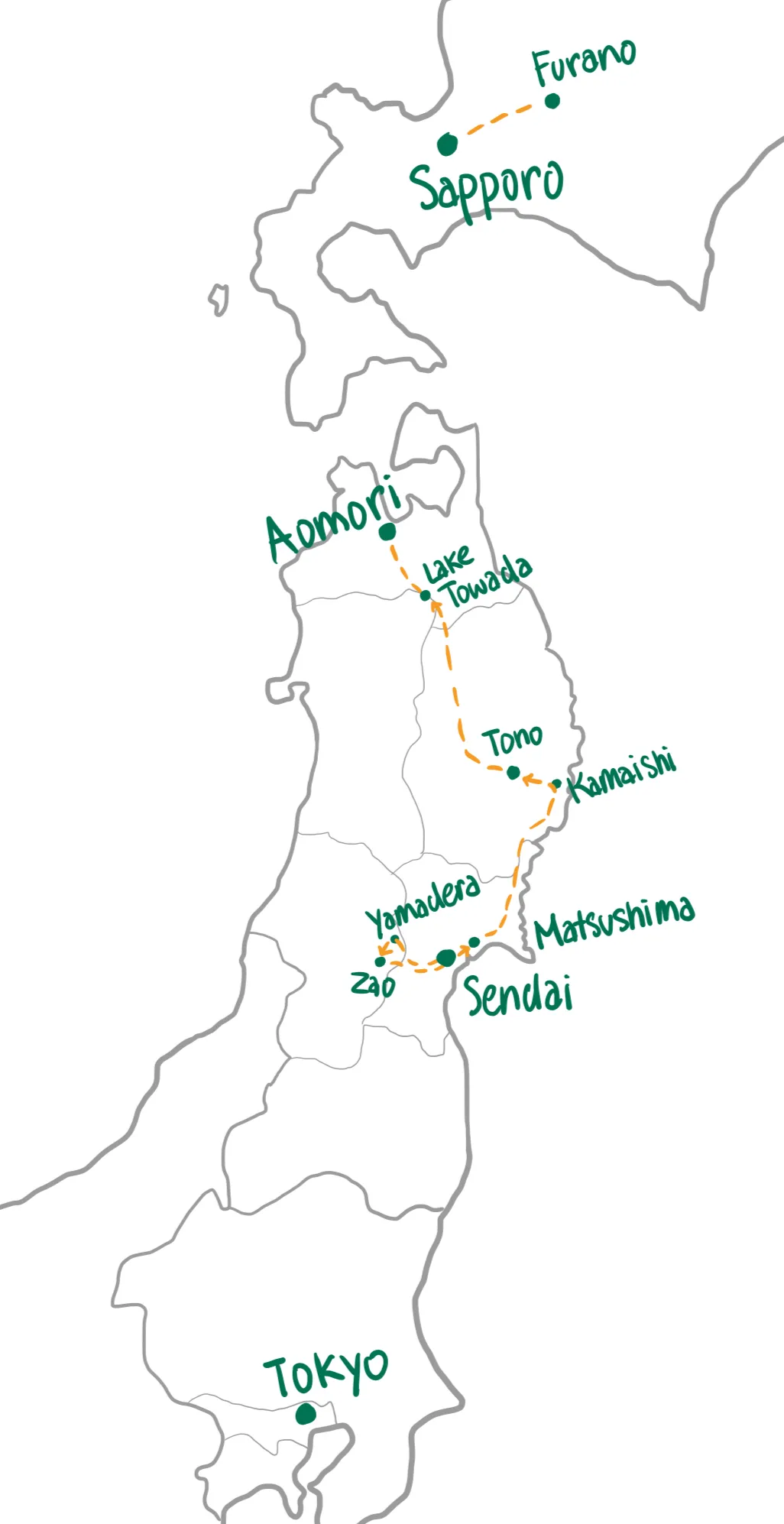
We first stayed in Tokyo for three days (Jasper's family had already been in Kyoto, while I met up with them in Tokyo), then did a five-day road trip in Tohoku, before flying to Sapporo and spending two days there.
Day 1–3: Tokyo, traveling to Sendai
Tokyo mostly consisted of eating, buying cookware, and going to Muji several times. We stayed in the same hotel I did last summer, so it was nice to be in a somewhat familiar area and walk around Ueno Park.
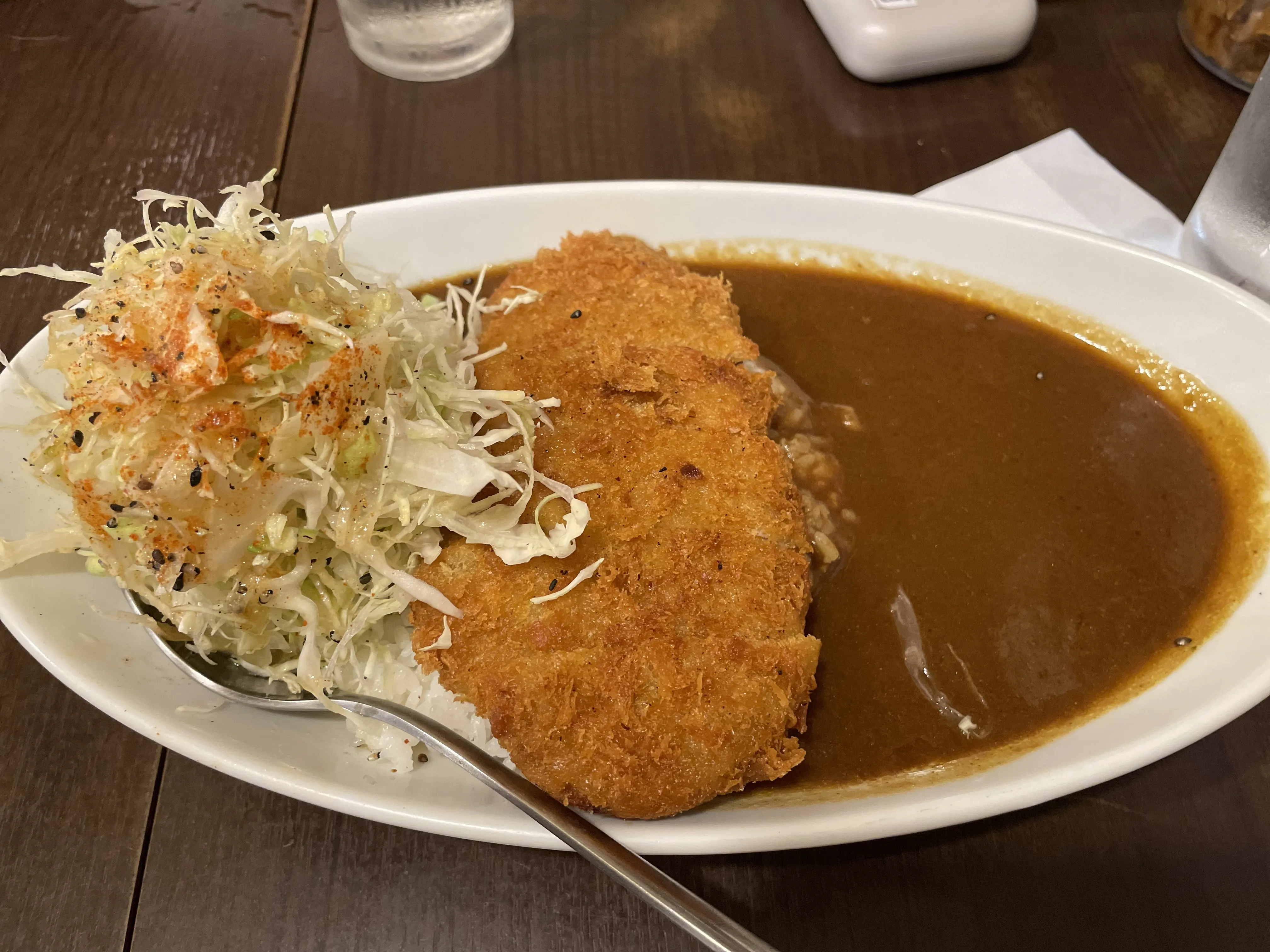
Our first dinner at Hiroo's Curry in Shibuya
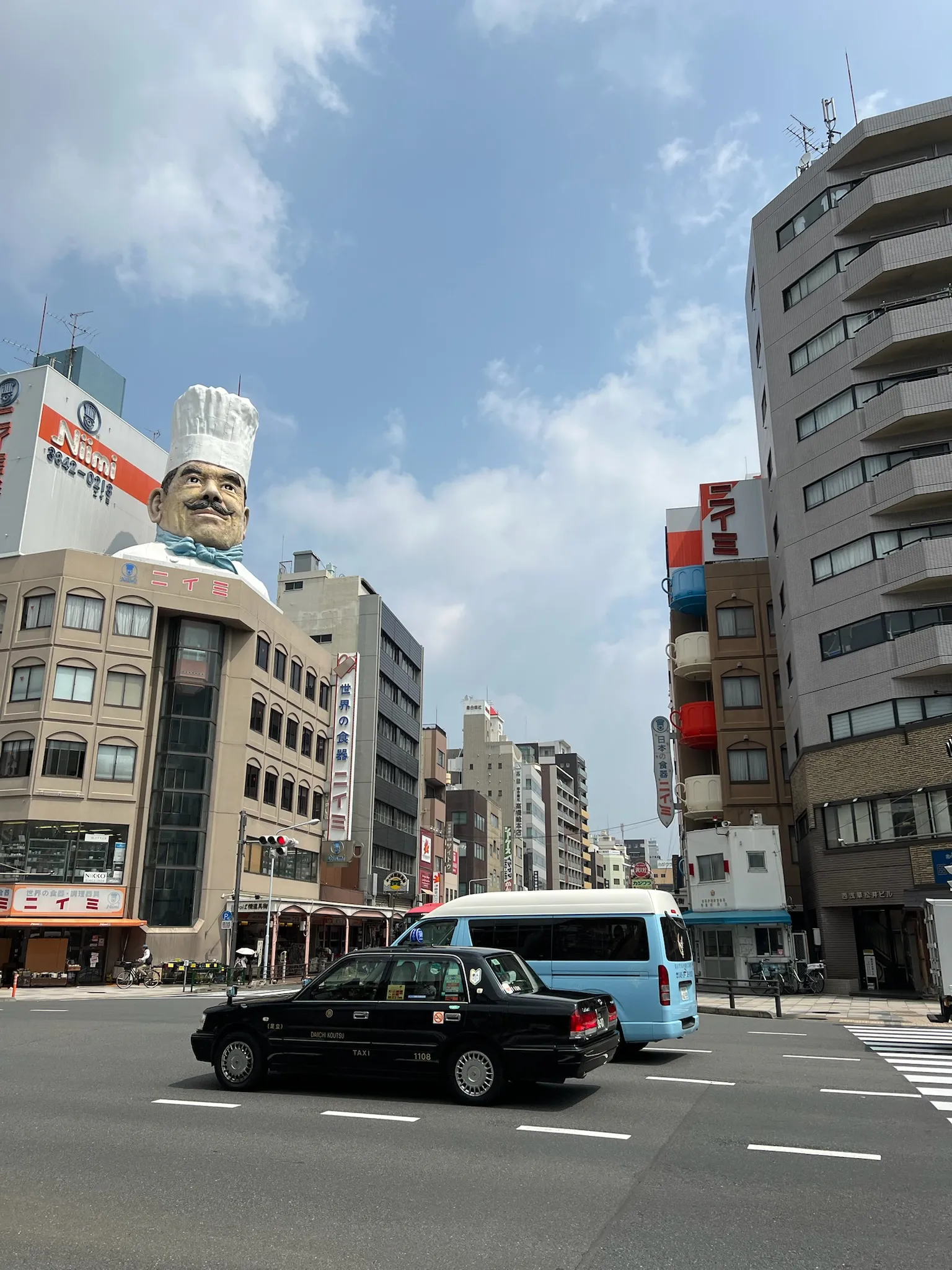
Kitchen supplies and a cat coaster were acquired at Kappabashi Street
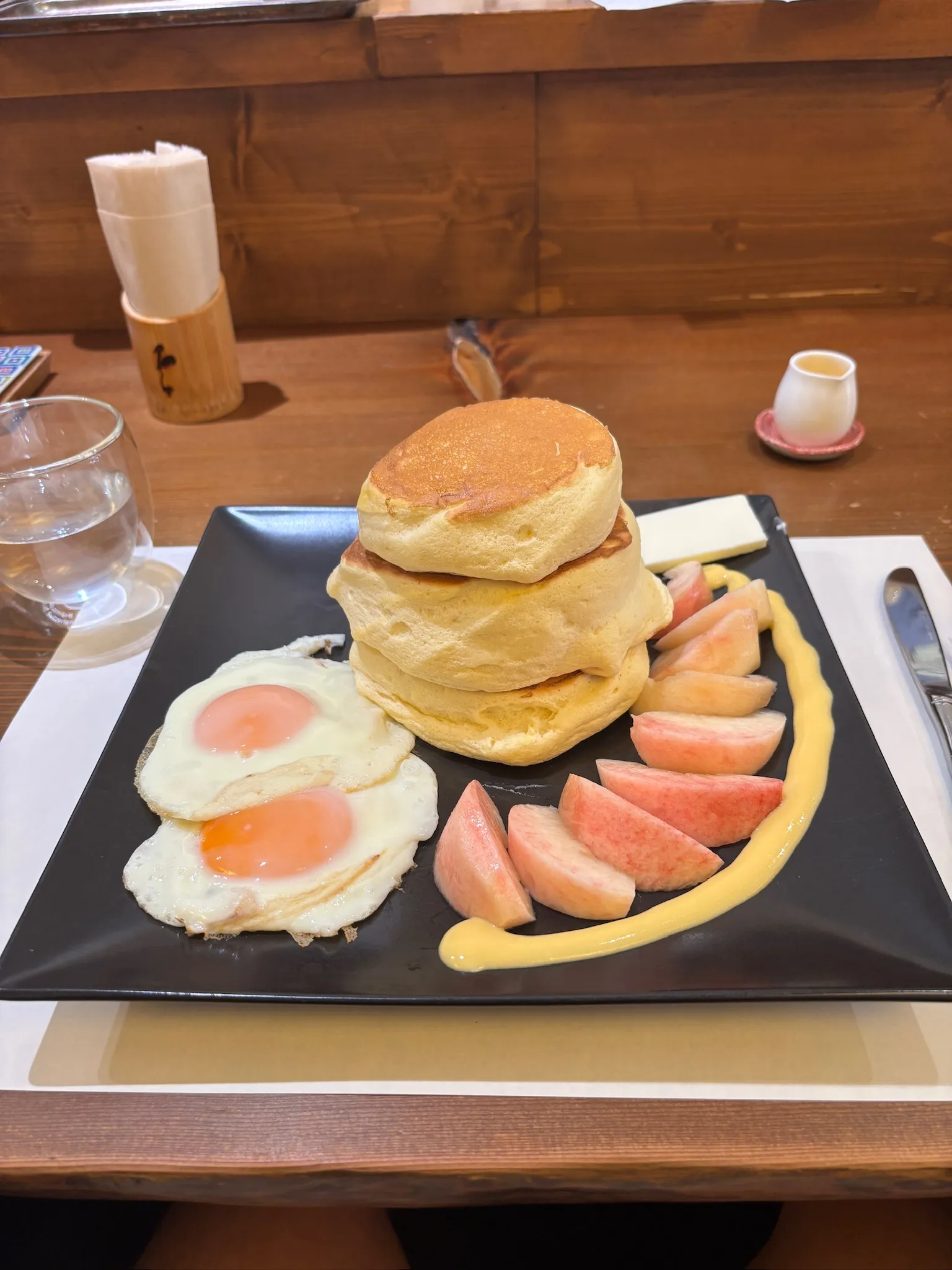
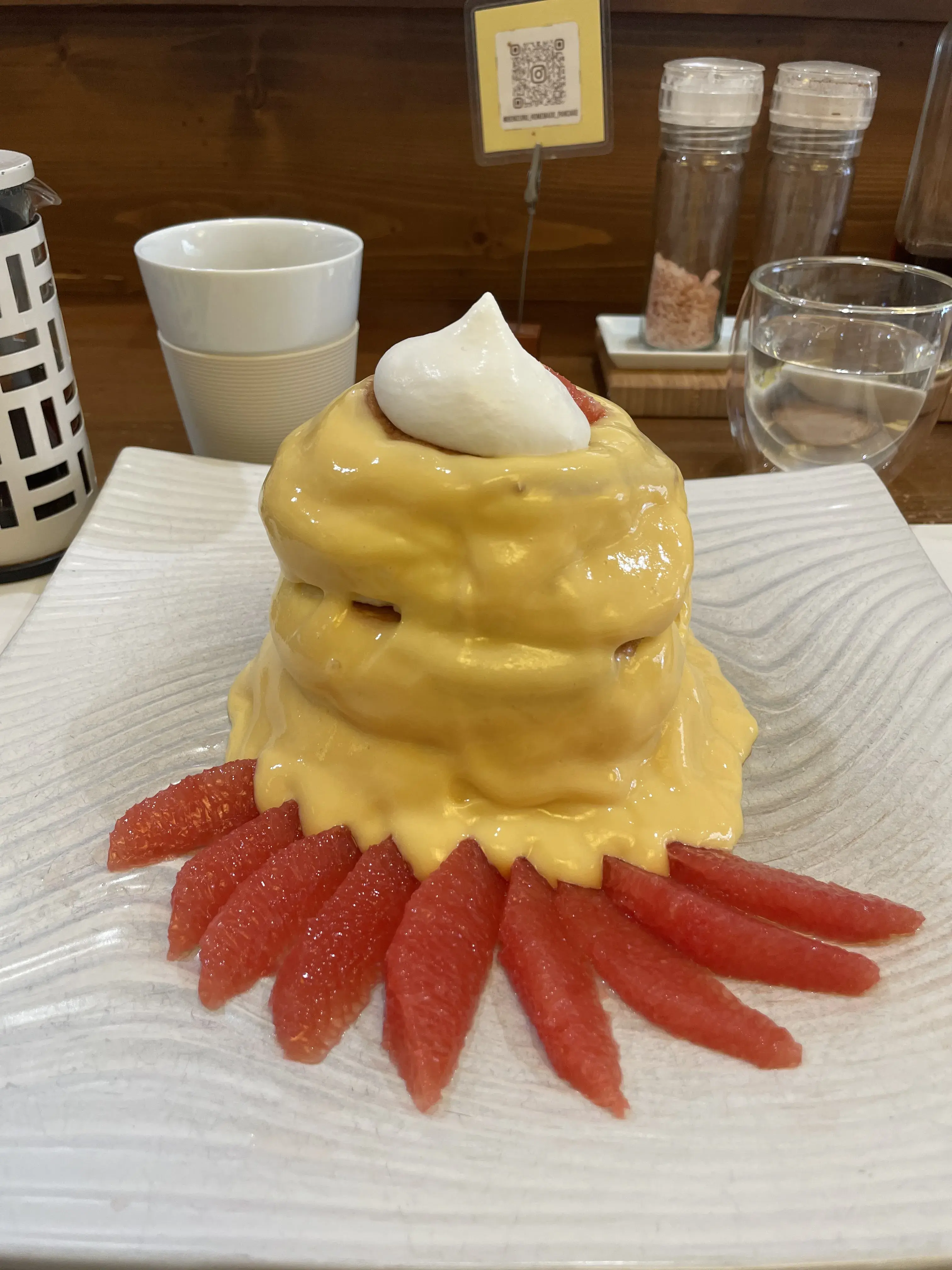
Brunch at nearby Benitsuru
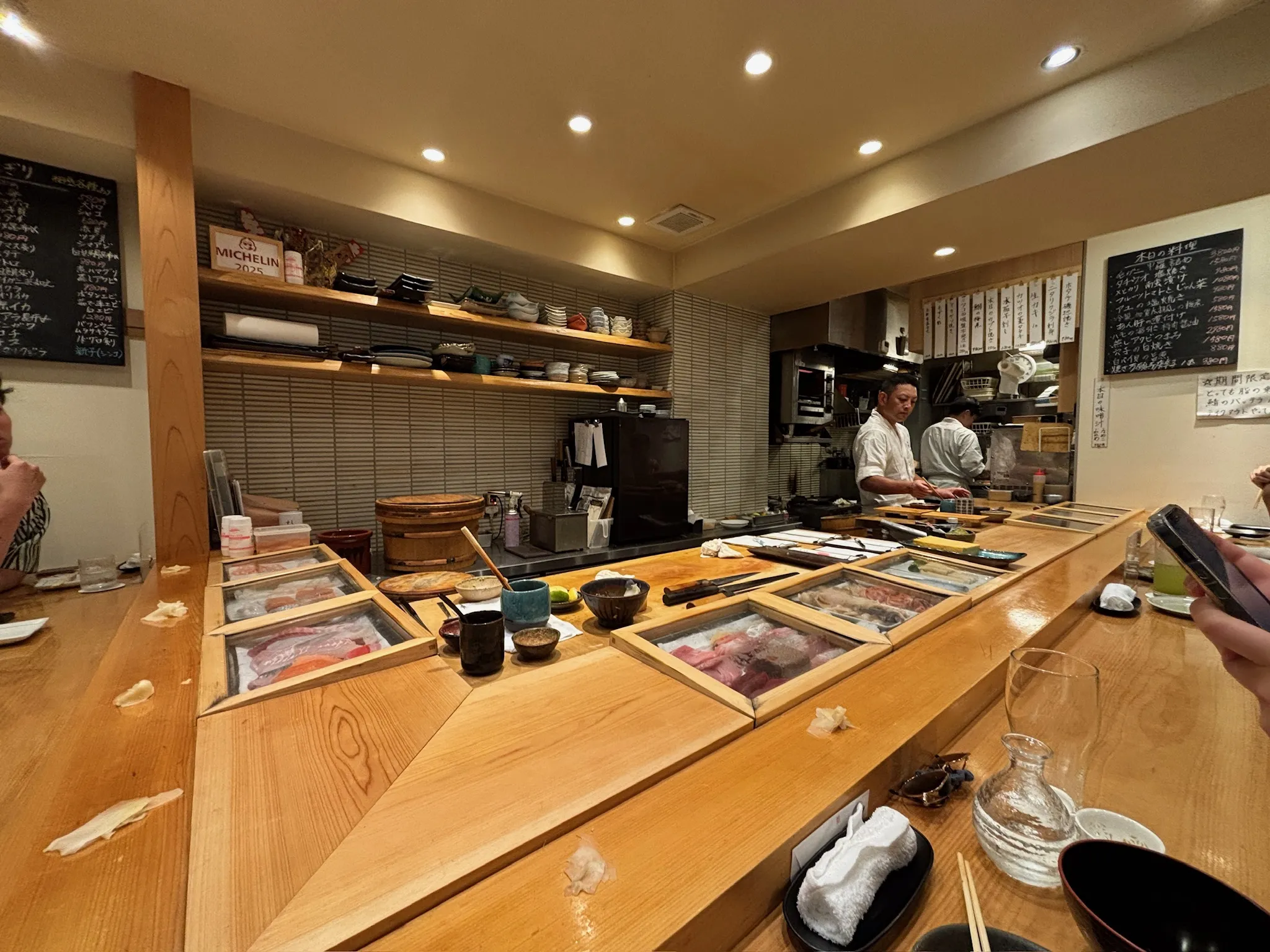
Omakase at Sushi Kourin for my birthday
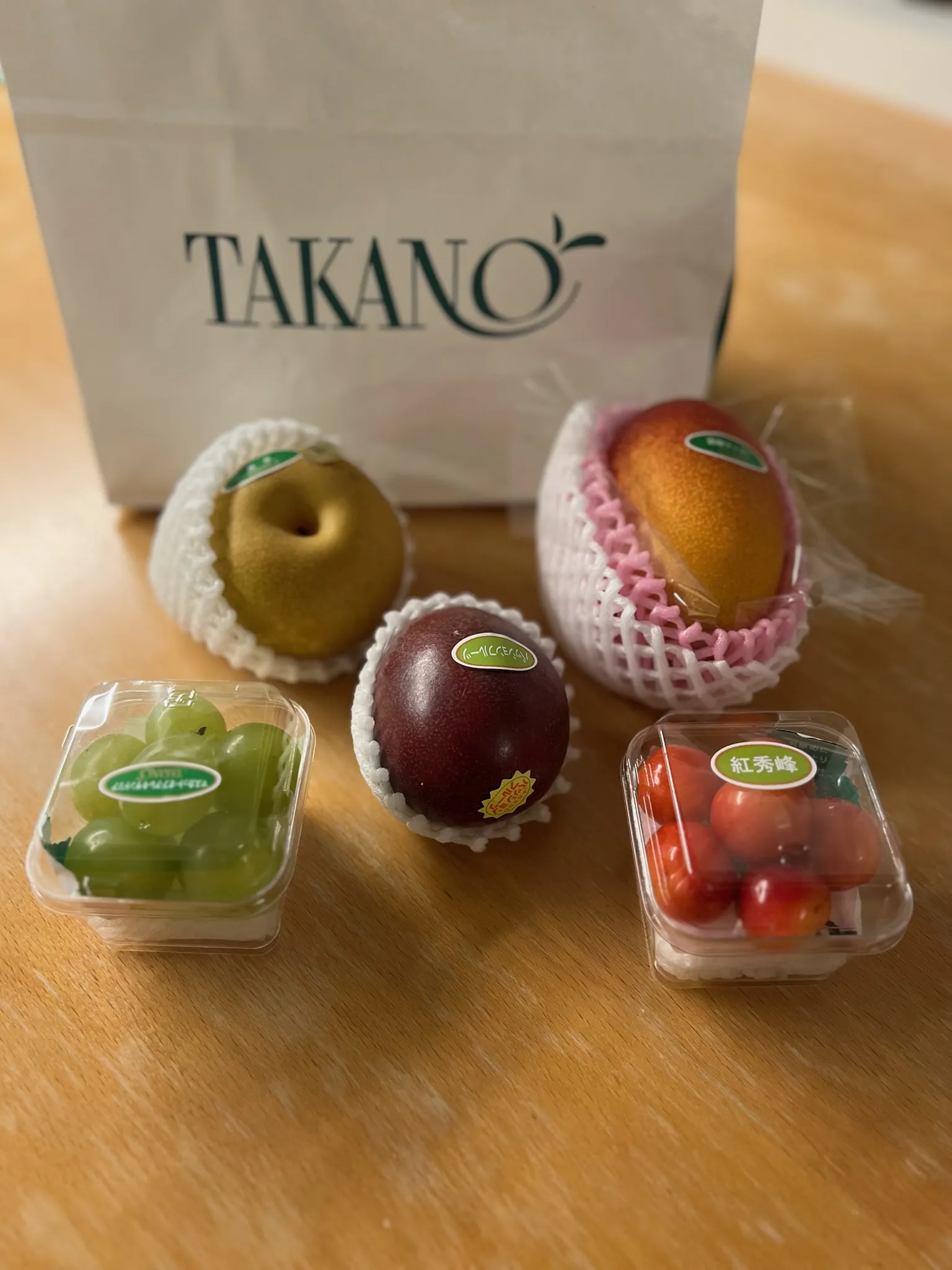
Jasper's family wanted to try to some expensive gift fruits. Most of them were just okay, but I think the mango was perhaps the best fruit Jasper's ever had (even better than the Taiwanese mangos from two summers ago).
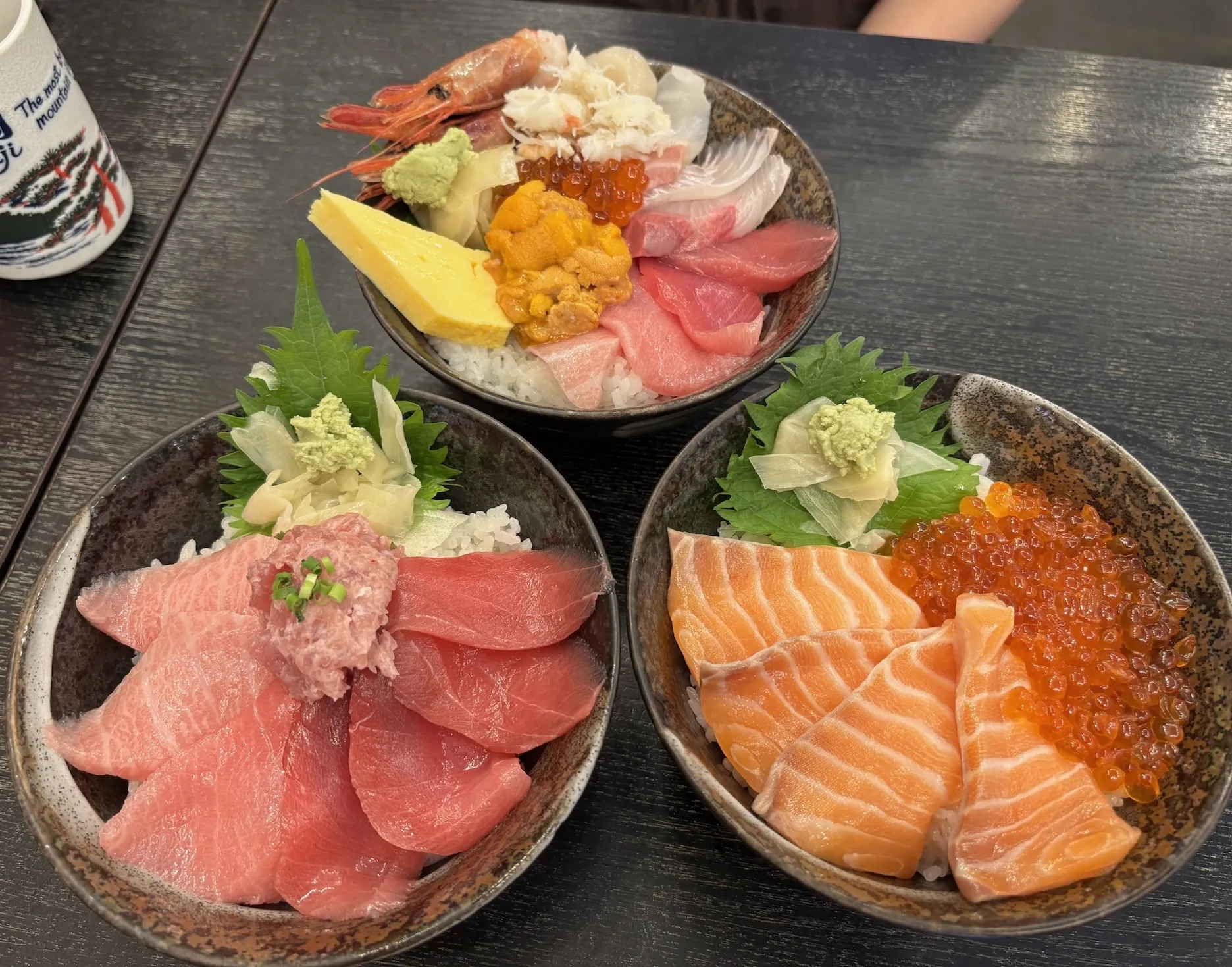
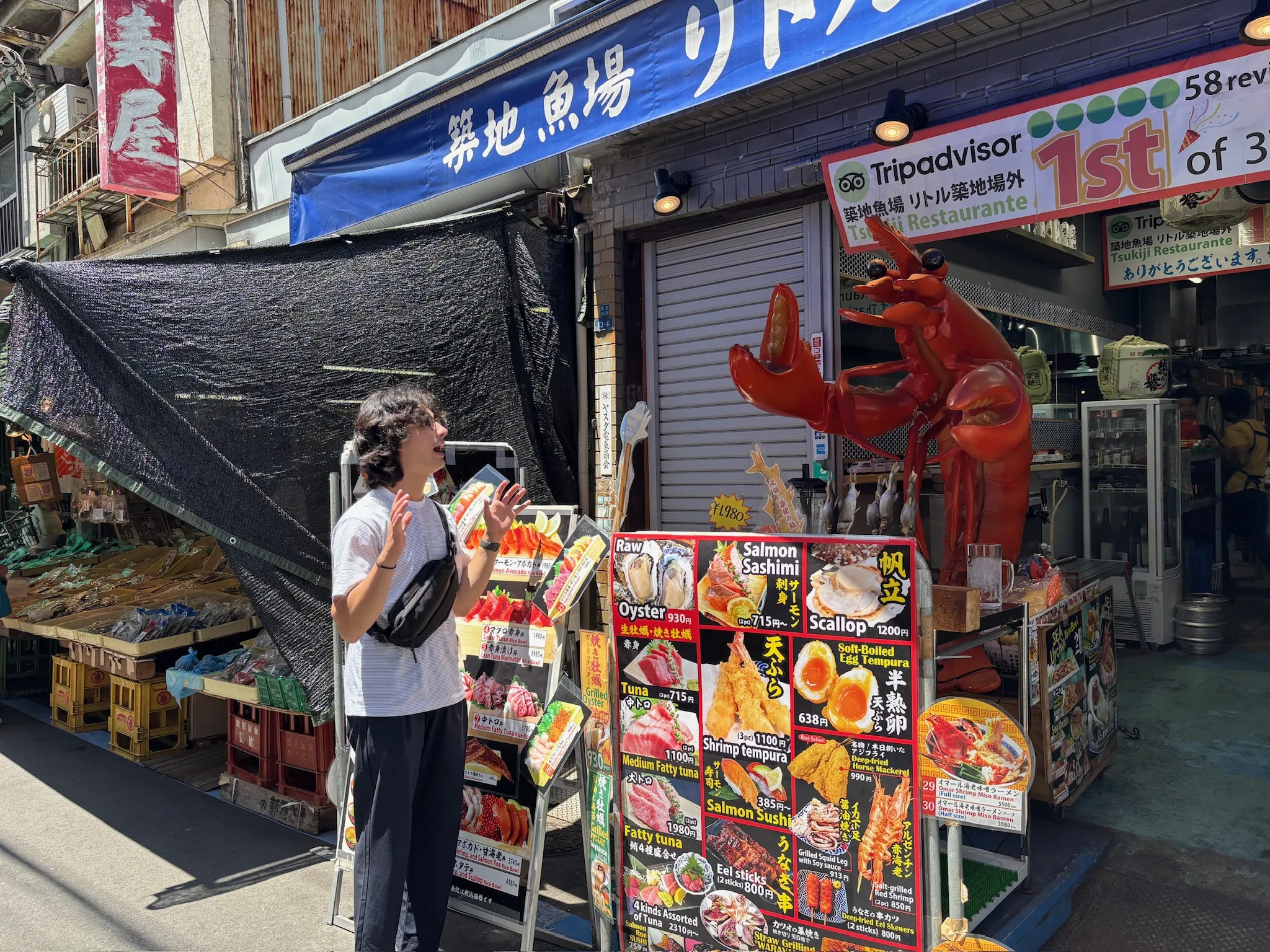
Kaisendon and giant lobster at Tsukiji Market
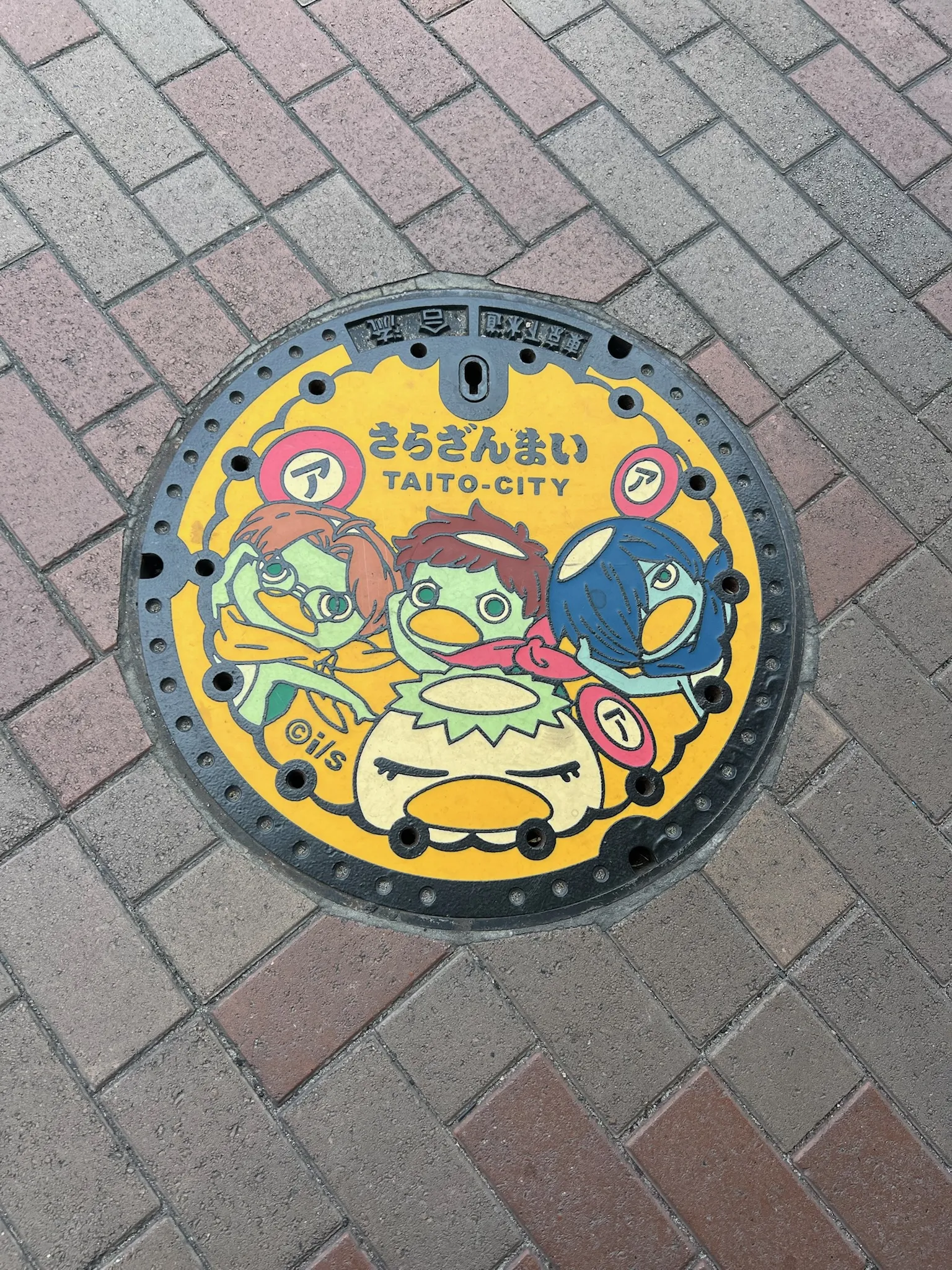
The first Poké Lid of the trip
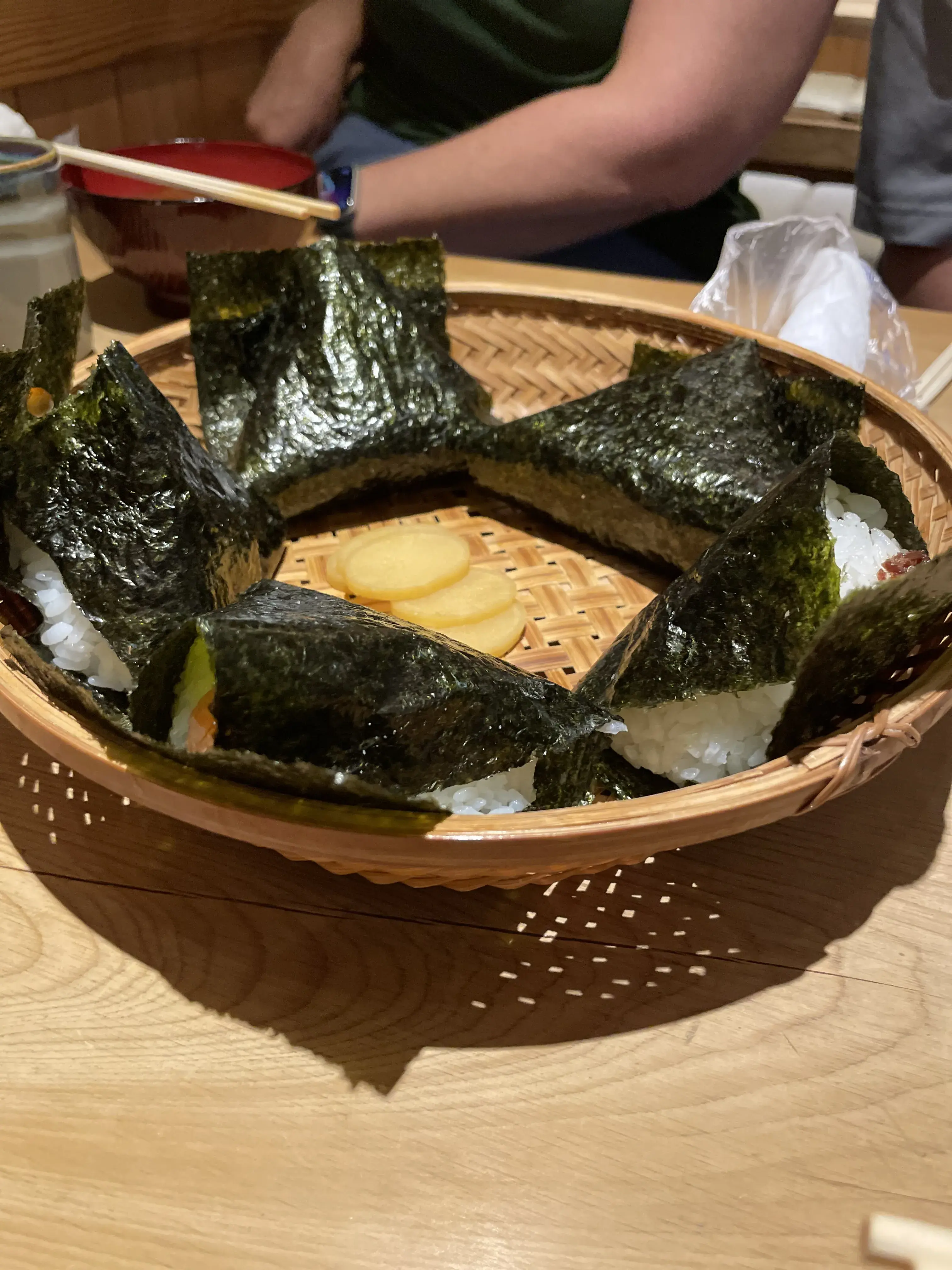
Onigiri at Onigiri Asakusa Yadoroku before leaving Tokyo
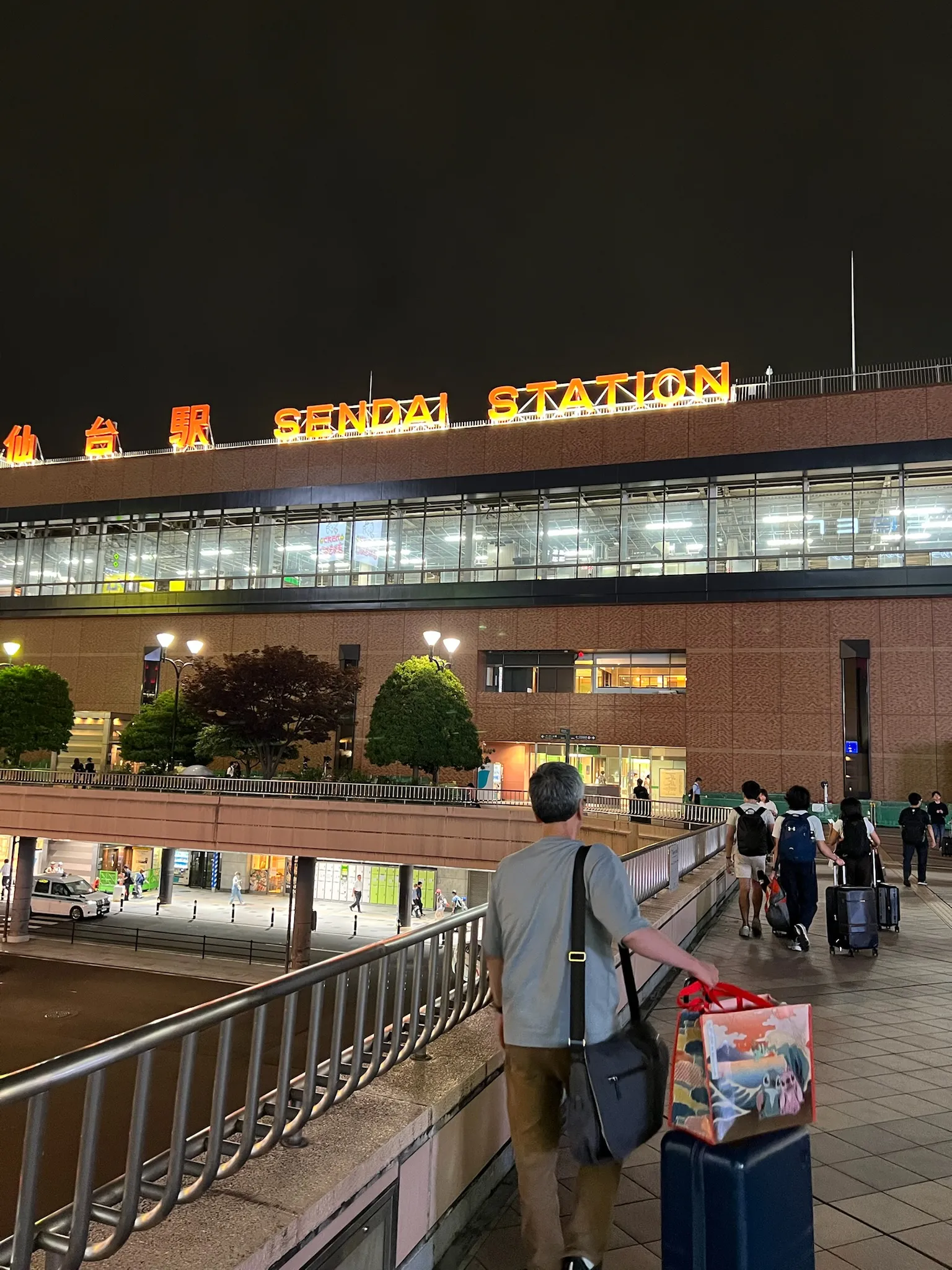
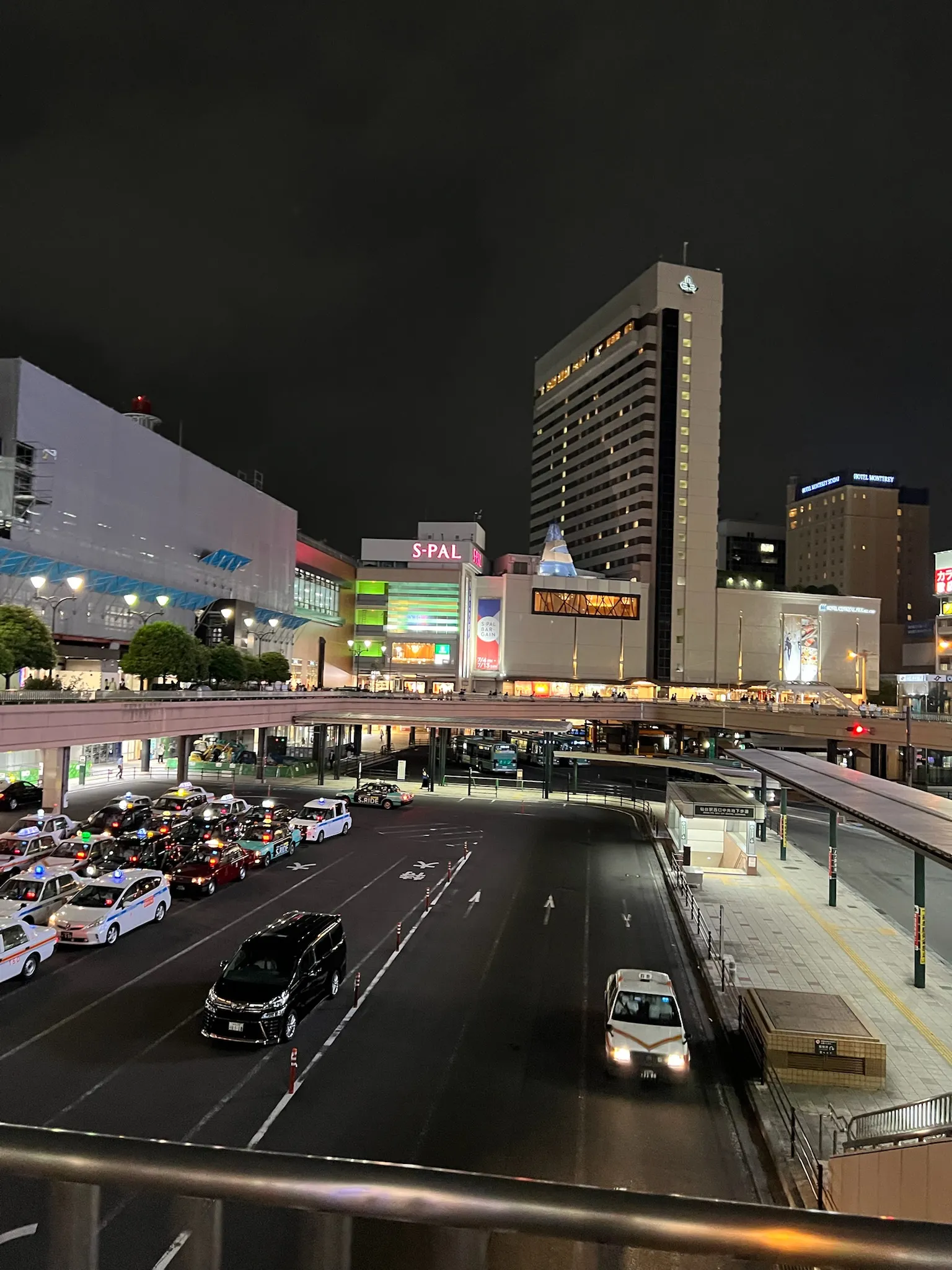
We arrived at Sendai Station just past dinnertime. Exiting the station, the first thing that I felt about the city was the crispness of its air. Part of it was the evening breeze, but there was also a cleanness and a pureness to it that you don’t feel in Tokyo, where there’s always smells or sounds or something that makes it such that the air is never in the foreground of your senses. The station exits onto a network of raised walking platforms that overlook a wide road and connects it to several malls. The roads at this time of day were busy but not hectic, the malls were lit with colorful lights but not discordant against the quietness of the evening. Everything about the first few minutes of the city were just very comfortable; it felt like somewhere you would want to return home to after a long trip. Humans are fickle, because these first few minutes probably primed me to see the rest of Sendai in this image, and I did.
We made a quick trip to a supermarket near our hotel to find some dinner, where, after seeing us struggle with the self-checkout machine, a very kind lady came up to help us. She spoke near fluent English, which surprised us, and apparently studied abroad in Minnesota when she was young, which surprised us even more. A very nice interaction to start our trip!
Day 4: Yamadera, Zao Onsen
From Sendai, we planned to take a quick detour inland to Yamadera and stay one night at Zao Onsen, an onsen area + ski resort in the winter, before driving back to Sendai to head up the coast. We got to our Toyota Rent-a-Car branch at around 8:30, where we picked up our Toyota Noah (or Voxy?) for the trip. The car rental process is like many things in Japan: The soft infrastructure is very intuitive and 人性化 (e.g. the information on the website was comprehensive, there aren’t really additional charges for minimum liability insurance or additional drivers), but the harder infrastructure is often pretty outdated (the website crashed multiple times while I tried to make the reservation), and everything is especially intimidating for first-timers who don’t know Japanese. I had the same experience buying baseball tickets last year. The other thing to note is the size of Japanese cars: The Yaris was okay for the four members of my family (with fairly few luggage) last summer, while the Noah/Voxy was perfect for the five of us (with much more luggage) this summer, and anything smaller would’ve been uncomfortable.
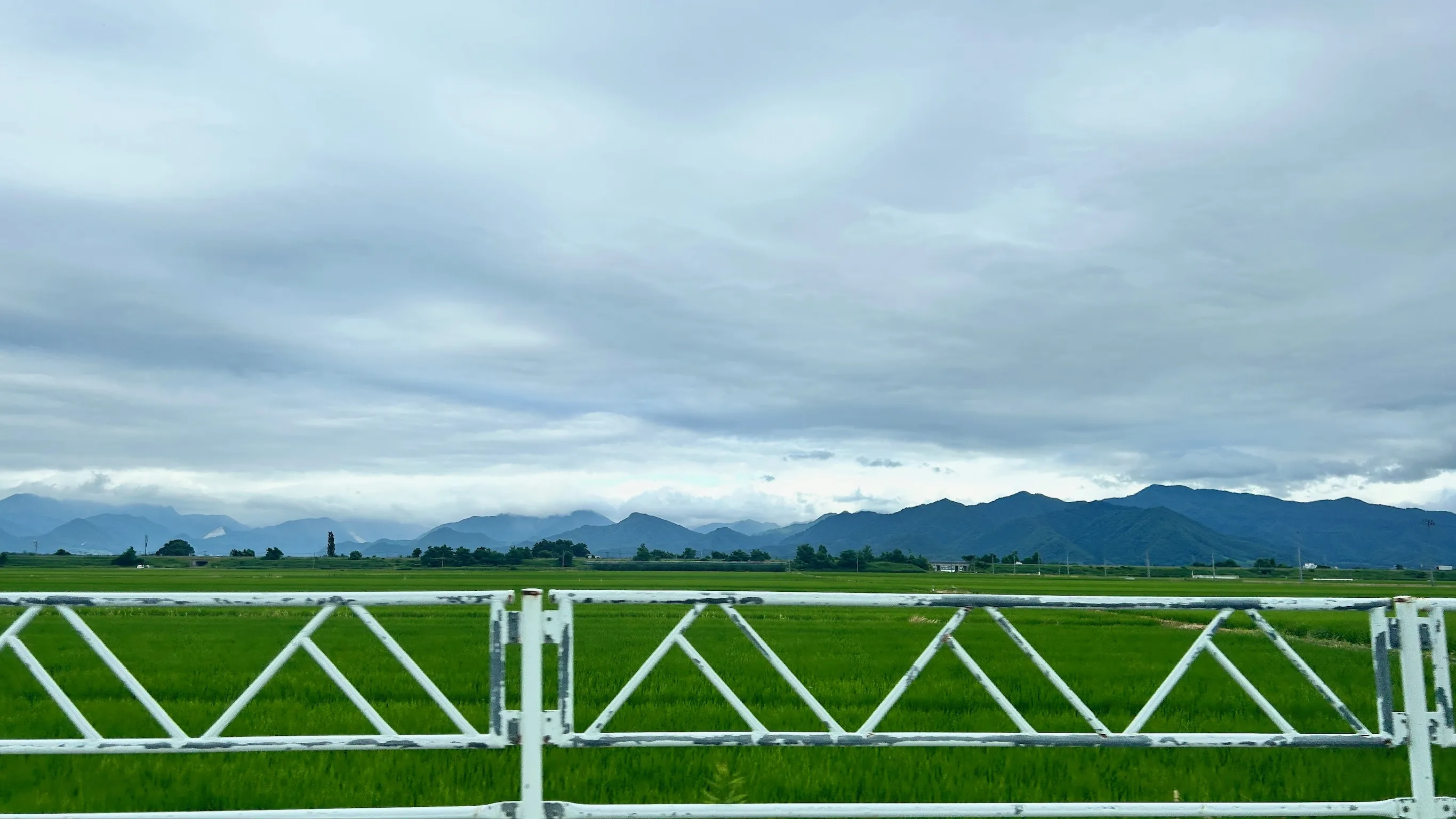
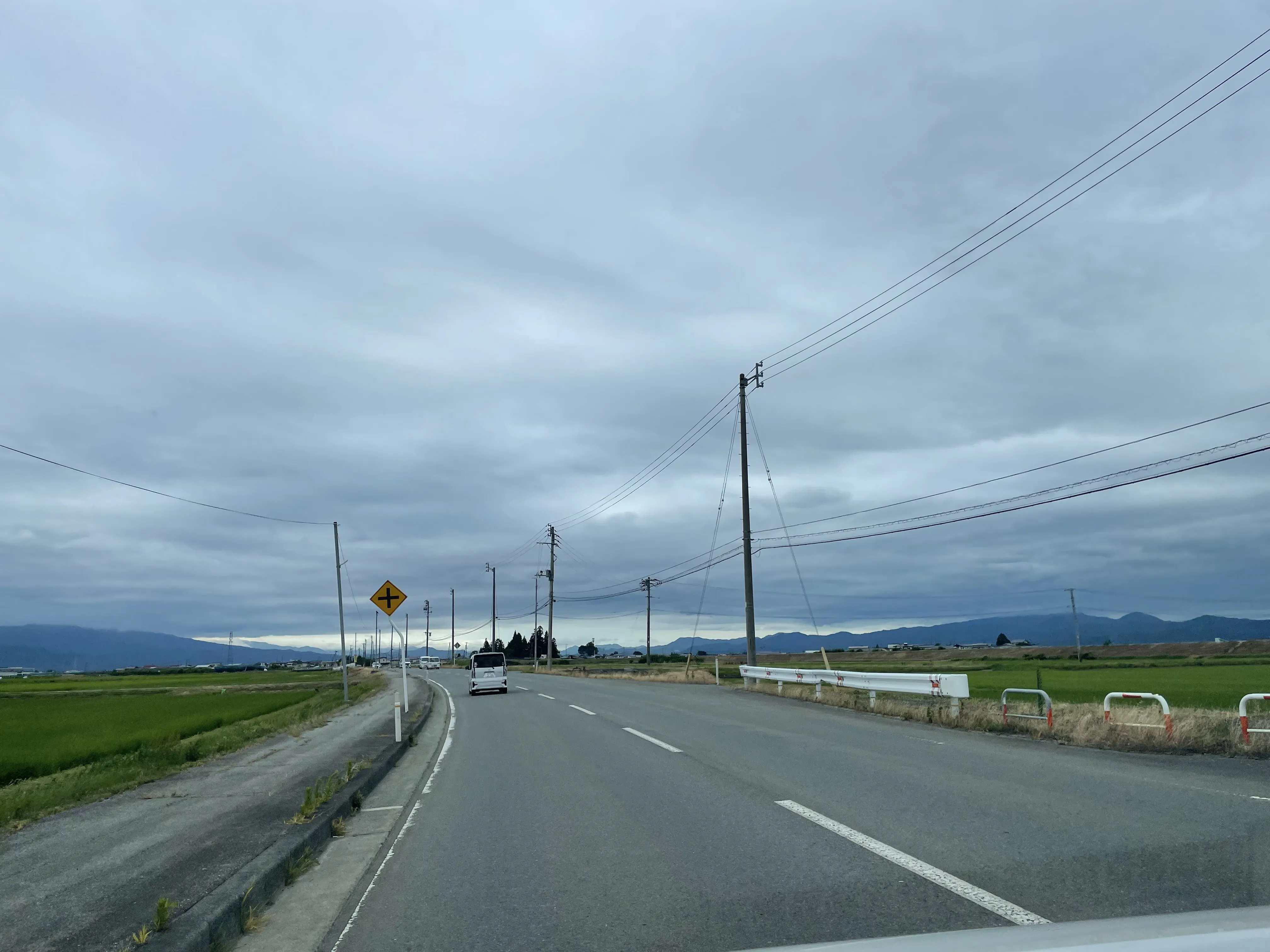
Immediately after picking up our car was my first test driving outside the US and on the left side of the road. Soon after we left the city, we were in the mountains. Tohoku in the summer is incredibly green and lush. Because we were going to mostly smaller destinations, and that so much of Tohoku is mountainous and sparsely populated, we mostly drove on two-lane roads nestled in the crevices of mountains (rather than big highways like the Sanyo Expressway, which I spent a lot of time on last summer in the south).
I quite like driving. Even in the past, when I could only passenge, in a car it felt like all of the land was open to you. You could choose exactly where to go when, and you were actually traveling in the land, rather than seeing it presented to you as passing images, like in a train. Actually driving is a much purer experience of that. The constant amount of low-level focus required anchors you to focus on the driving itself, to see only the road in front of you and the green in your periphery, and moving through that space takes up most of your mind. Especially when your passengers are asleep and only Ghibli music plays in the background.
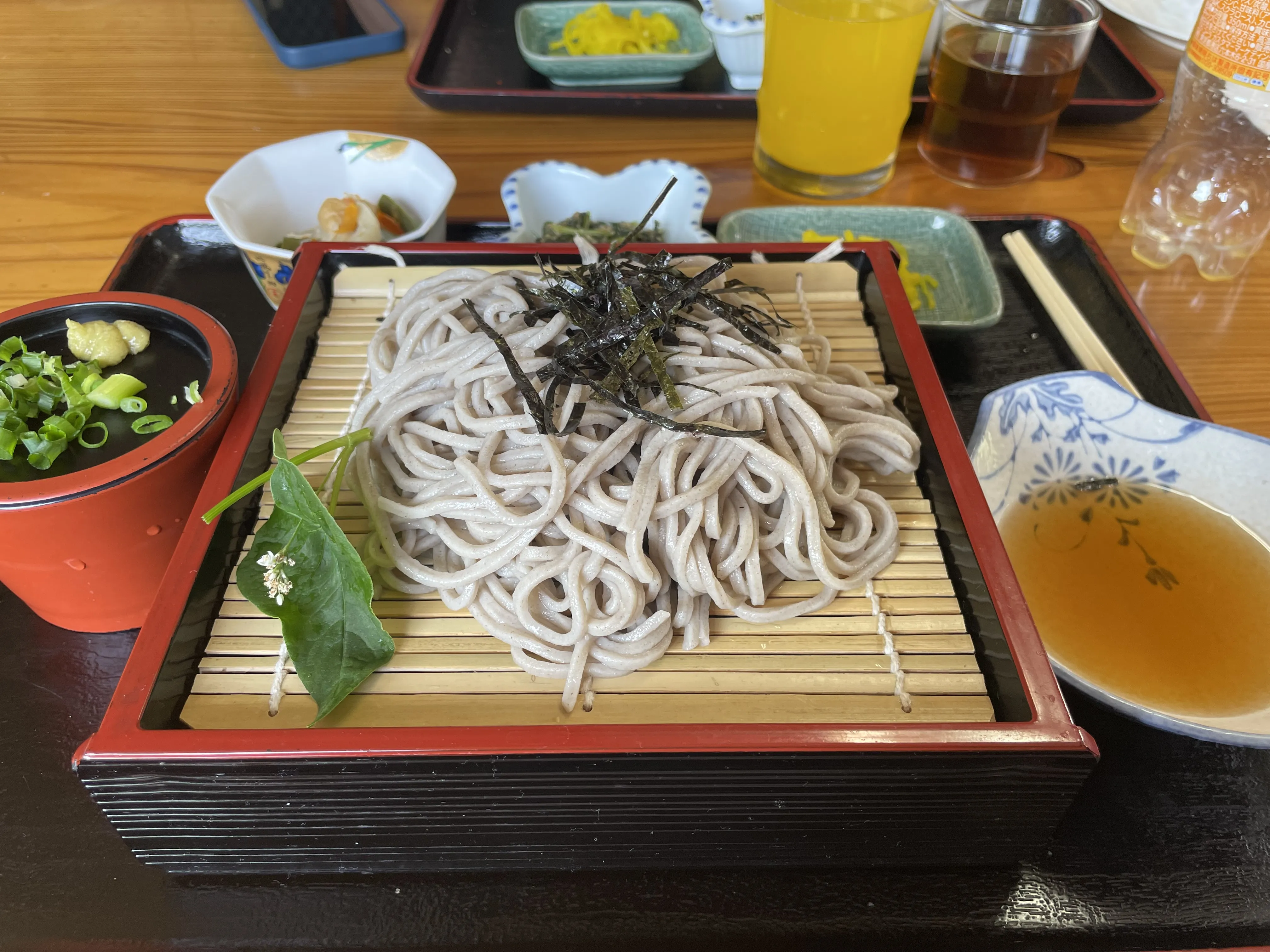
We arrived at a small soba restaurant in Yamadera near the temple entrance for lunch. The restaurant was just the living room and kitchen of an older couple’s home. The husband was extremely smiley and enthusiastic, not at all dimmed by the need for many rounds of lossy communication via Google Translate. There were probably twenty minutes of discussions about the menu and dietary restrictions interspered with questions about where we were from and what the relationships between each of us were.
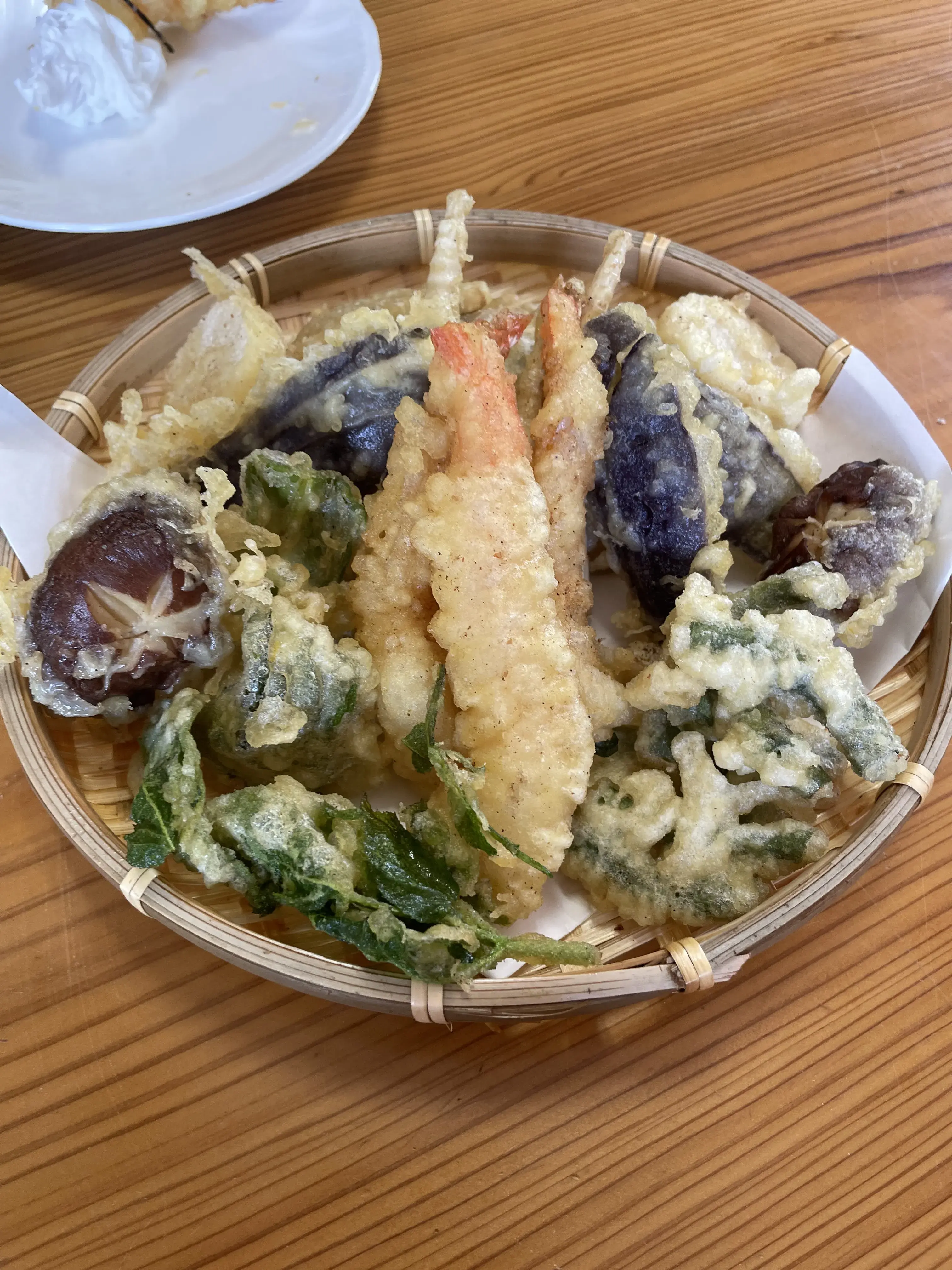
The food was great and pretty much exactly what you want when you drive into these mountain valleys. The tempura was clean, preserving the tastes of each of the separate ingredients, including the oil used for frying and the water in the mushrooms. The soba was thick, chewy, and tasted purely of buckwheat. Soba is one of the two things I miss the most from Japan, the other being sashimi. If eating sashimi brings me the purest joy out of any food, eating soba is a less flashy but permeating kind of contentment.
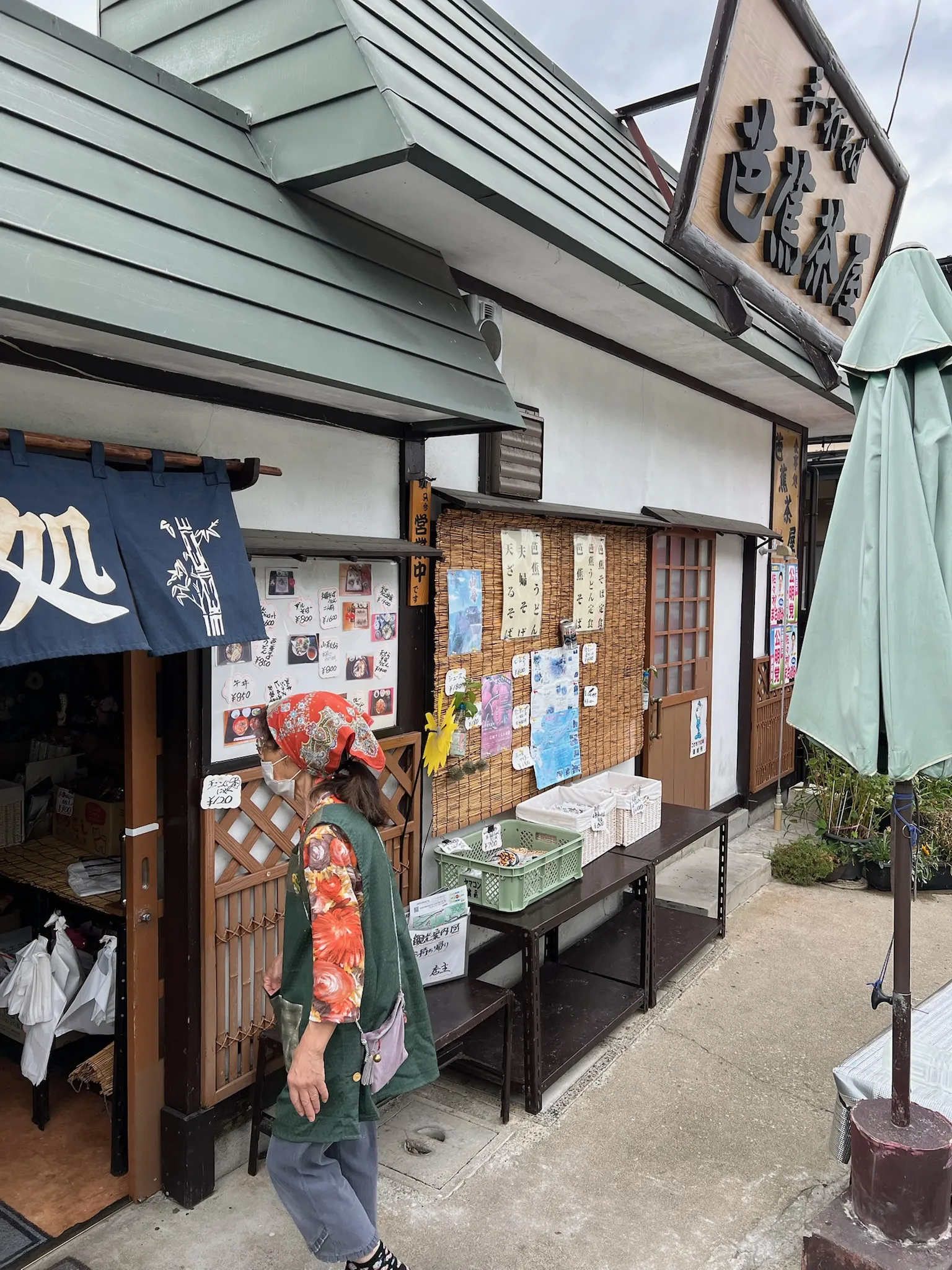
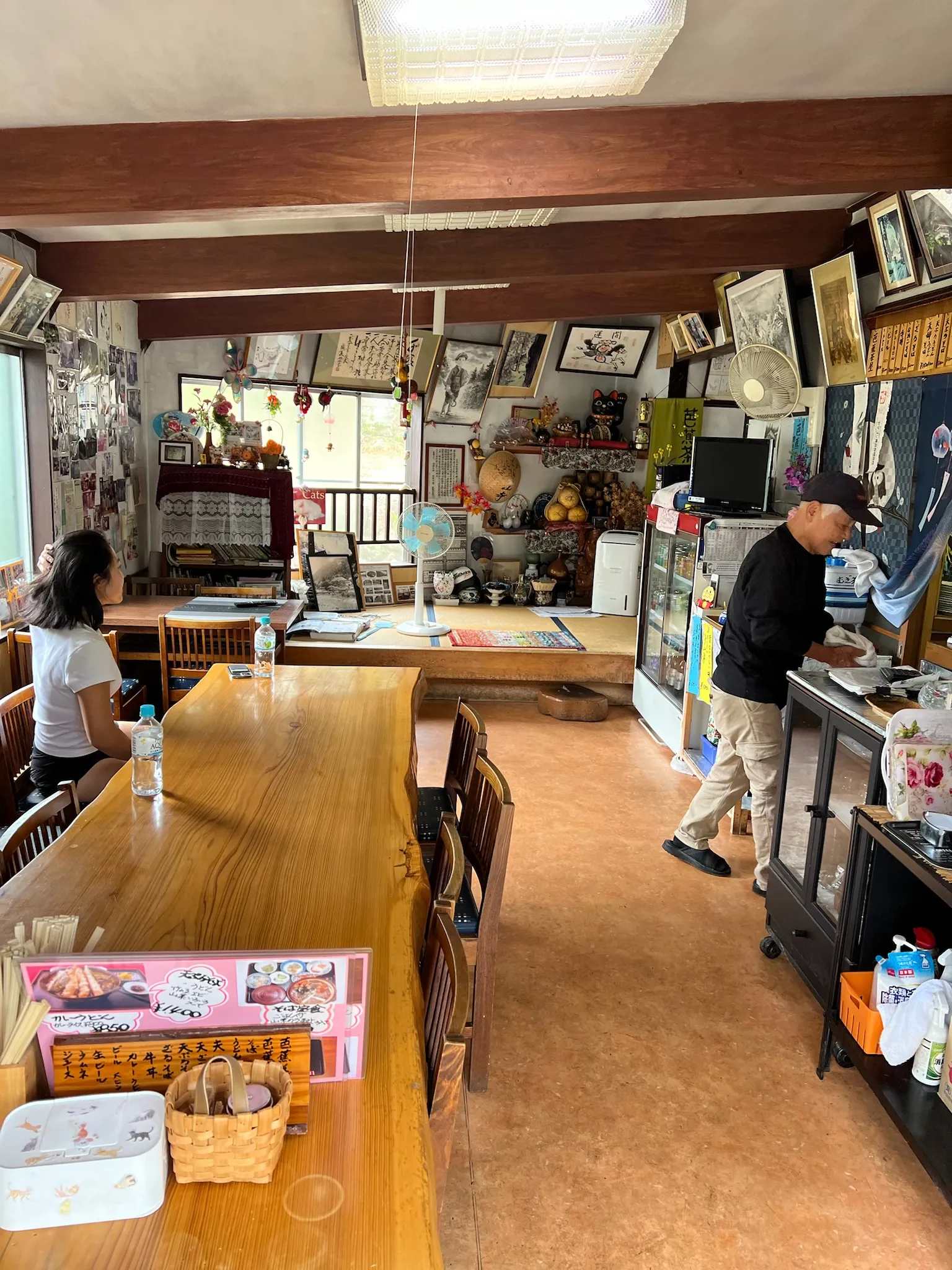
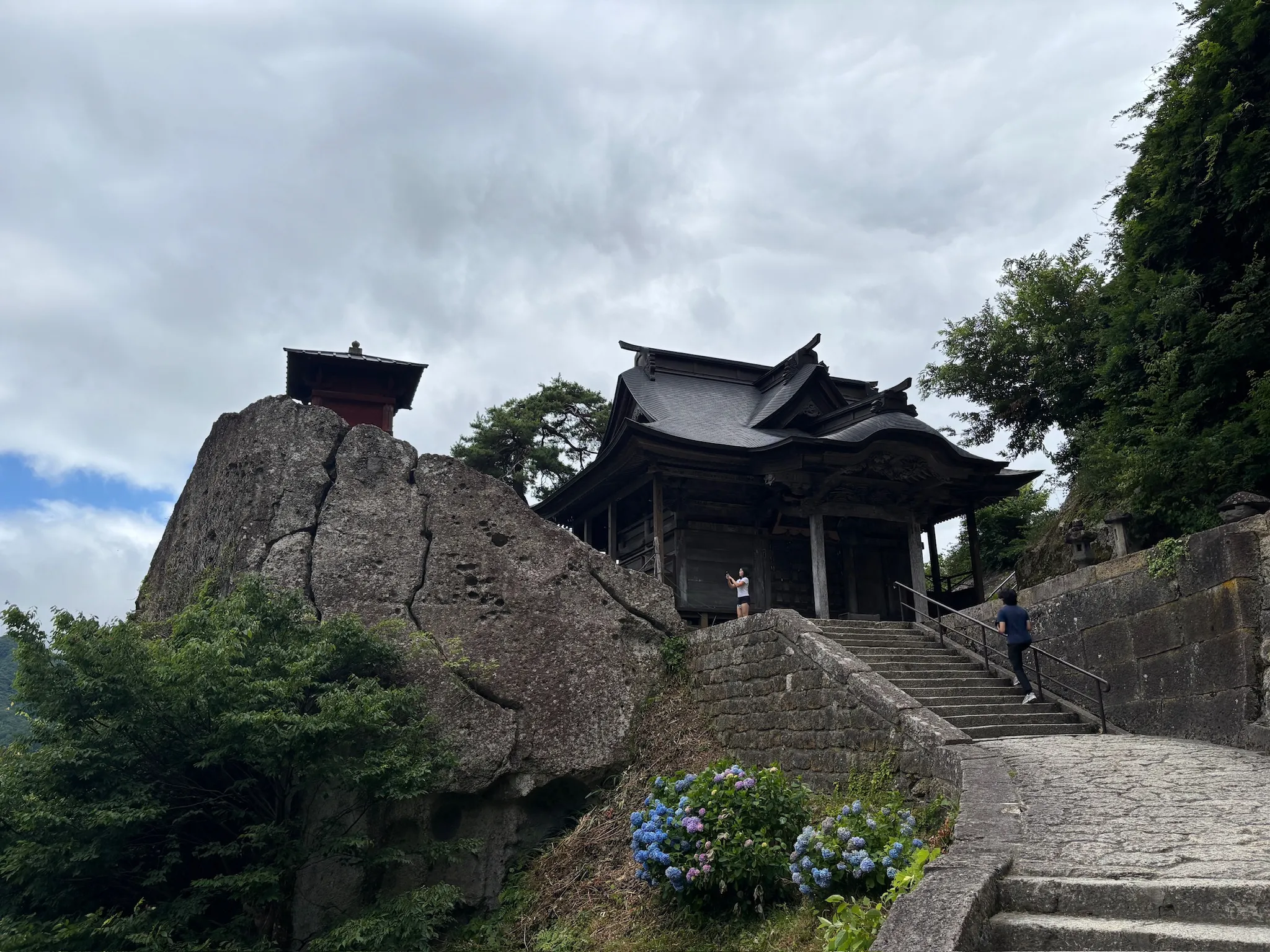
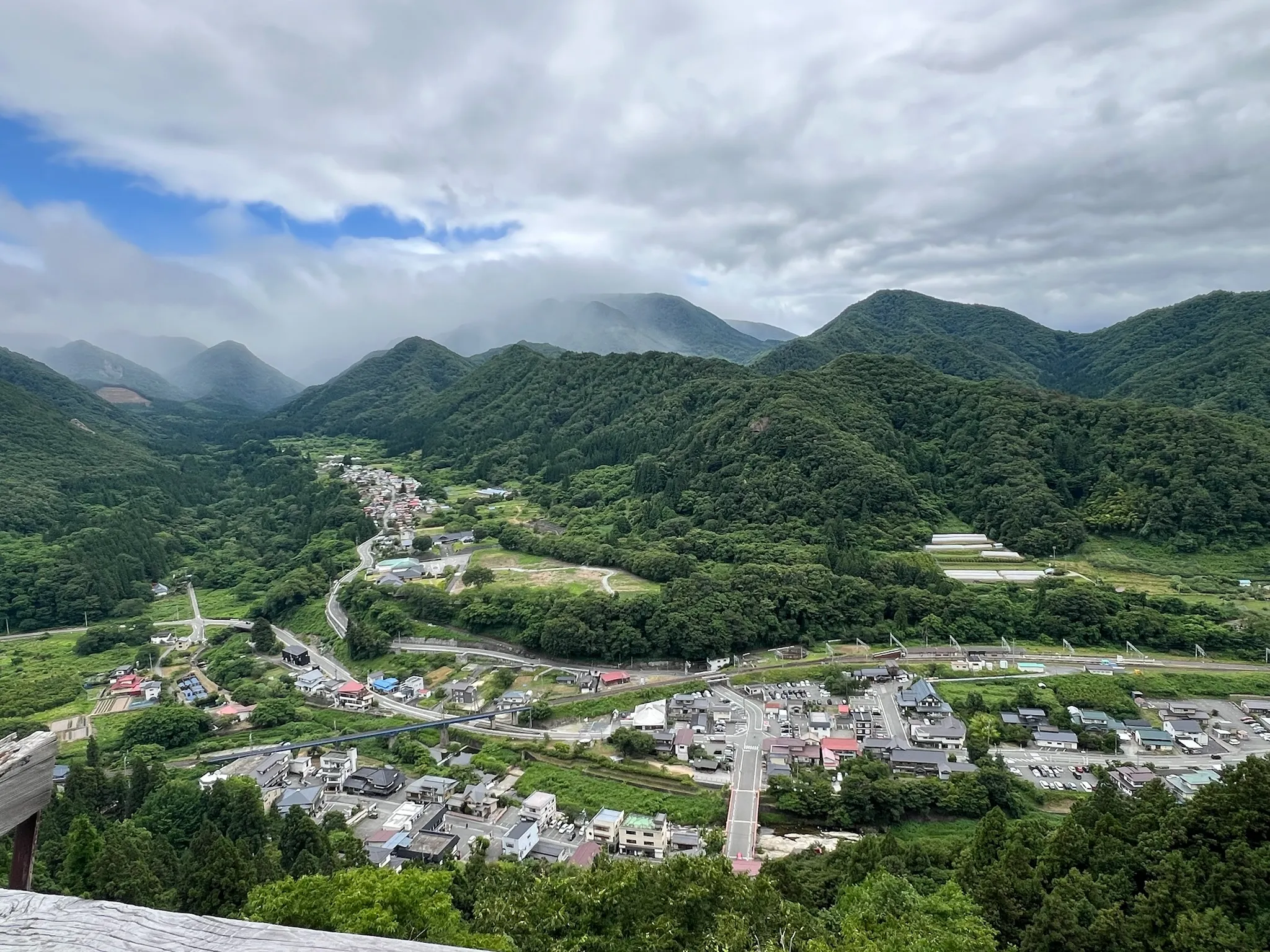
After taking a photo with the owners (which may now be up on their wall), we headed to the temple. The temple, as implied in its colloquial name (Yamadera, or mountain temple), is at the top of a small mountain. The short trek up was fairly nice; in the shade of big pines, with bushes of wild hydrangeas scattered along the path. This trek was the subject of one of Basho’s most famous haikus. (I read Narrow Road to the Deep North before this trip, but honestly didn’t get much from it; I think haikus rarely survive translation.) The nicest part, though, was the view from the top. You could see the whole of the town spread across the shallow valley, with a train running through the center. We even found the old couple’s restaurant off to the right. I find that the views in Japan are not as grand as many mountains in China or valleys like Yosemite, which make you look up and feel things much bigger than yourself. Instead, the views in Japan are human-scale; they distill parts of a very familiar and everyday sort of life, like the valley town here, and even the nature presents a beauty and care that feels reachable by us, like in Matsushima Bay.
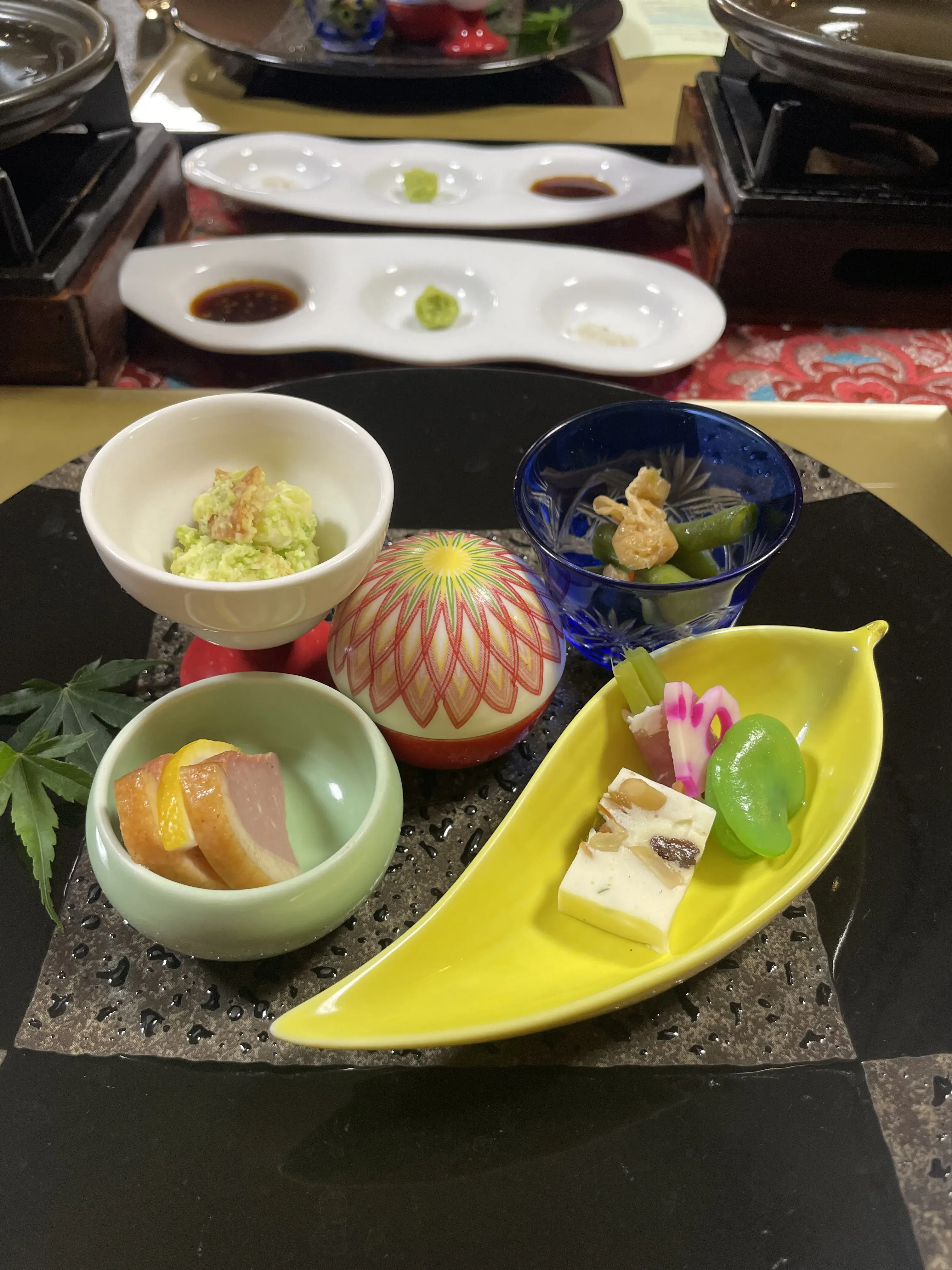
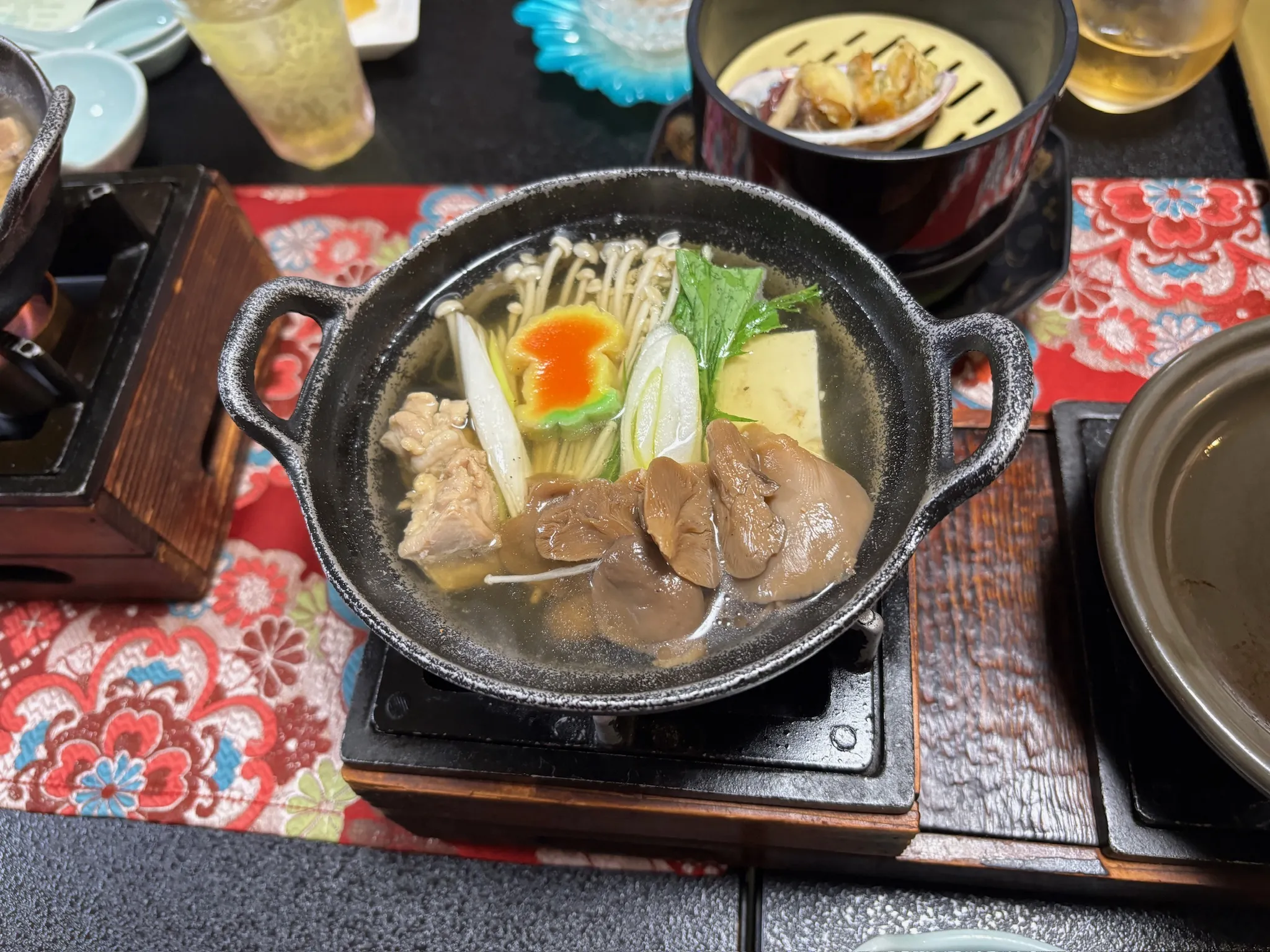
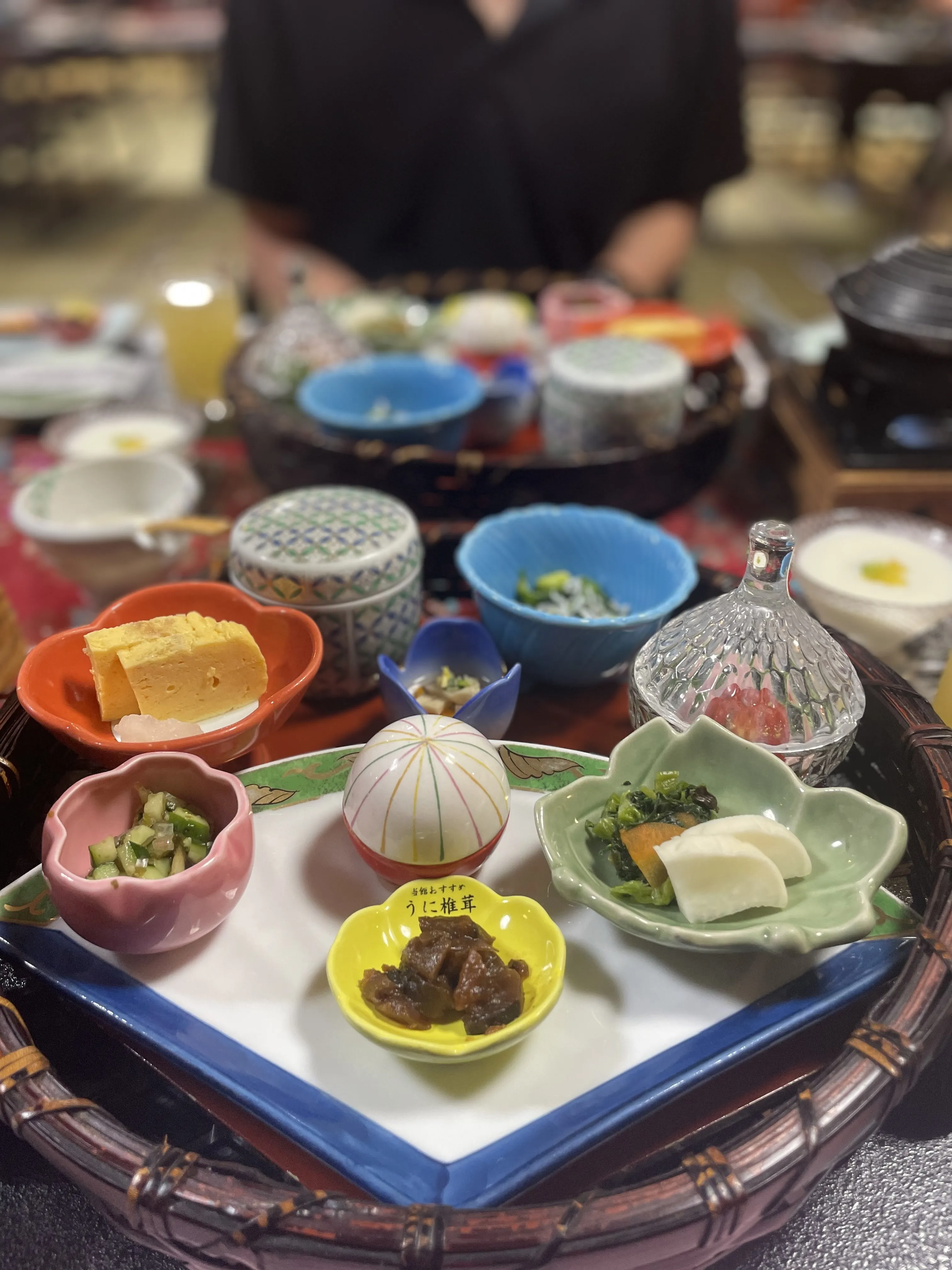
After the temple, we were headed to our ryokan at Zao Onsen in time for a kaiseki dinner. This part of the Yamagata prefecture is deep inland in the mountains, so the food featured lots of mushrooms, wild veggies, and heartier soups. It was fun trying a little bit of everything, and I quite enjoyed the various mushrooms in the chicken nabe. Another highlight was the imoni (a taro and beef stew) served the next morning. However, we were definitely not hungry enough for all the food.
Today was also the start of me and Calder’s evening onsen routine. The only time I had been to an onsen before this was when I was really young and visited a massive one in Tokyo (the kind where you walk around in your yukata and eat ramen at stalls inside the building in between dips). I remember even as a child feeling weird walking around naked with so many people, and I never had a second experience to get over that, until today.
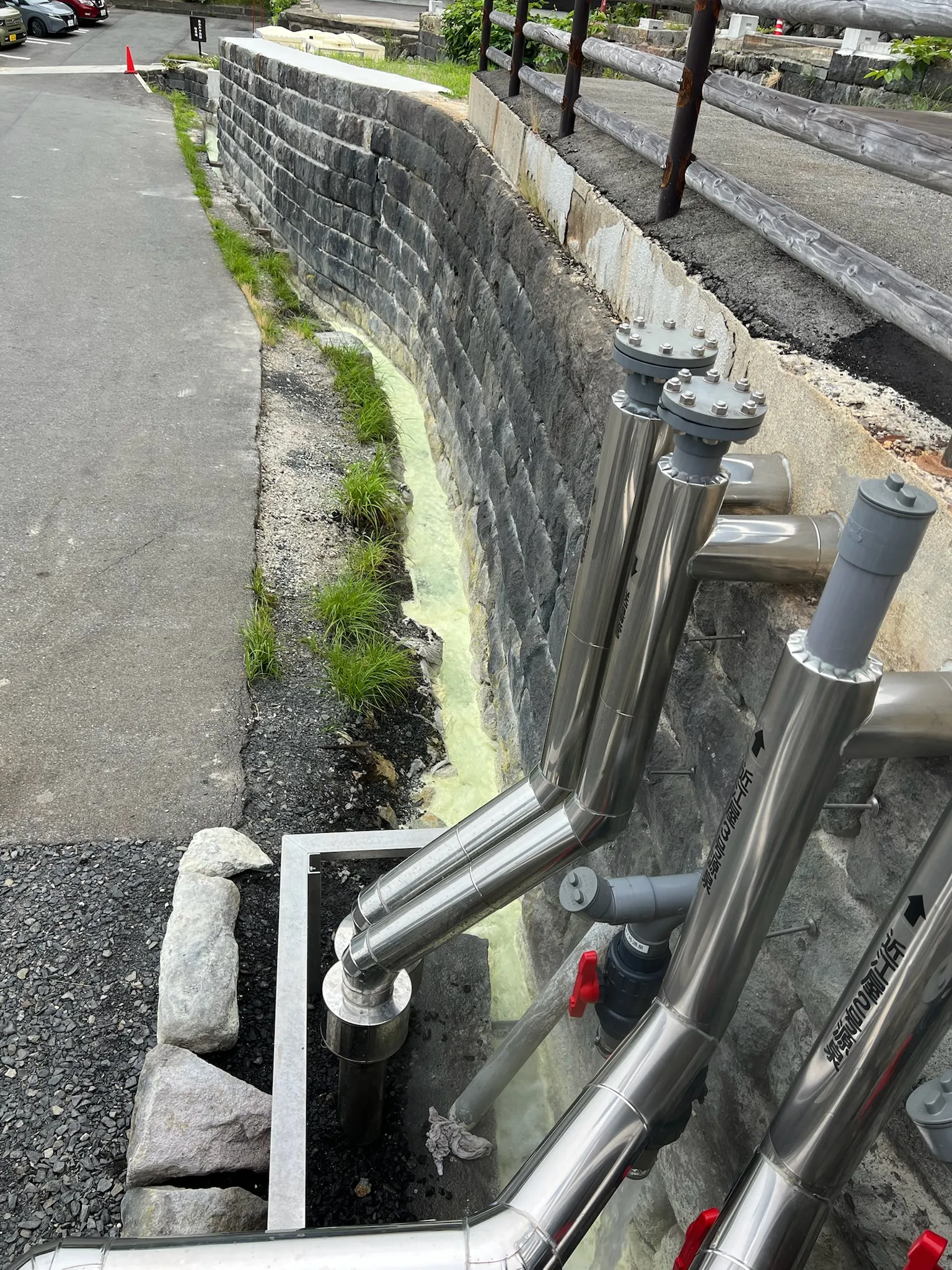
Zao is known for natural sulfuric hot springs. The springs were pretty nice, and the ryokan had a few that were semi-outdoors so you could feel the night air. But the springs were really, really hot (maybe all natural waters are like this?), so I couldn’t really last more than three minutes at a time.
Day 5: Yamagata Basin, Sendai, traveling to Matsushima
The Ou Mountains range north-south through all of Tohoku. Together with the rocky Sanriku Coast to its east, it sandwiches a long and thin strip of flatland from Sendai to Morioka. To its west the terrain is more varied, with expanses of flatland that open directly to the western coast, as well as inland, mountain-locked valleys. The Yamagata Basin is one such valley. It sits at the foot of Mount Zao, a segment of the central Ou Mountain range, and includes the city of Yamagata, the capital of the Yamagata prefecture.
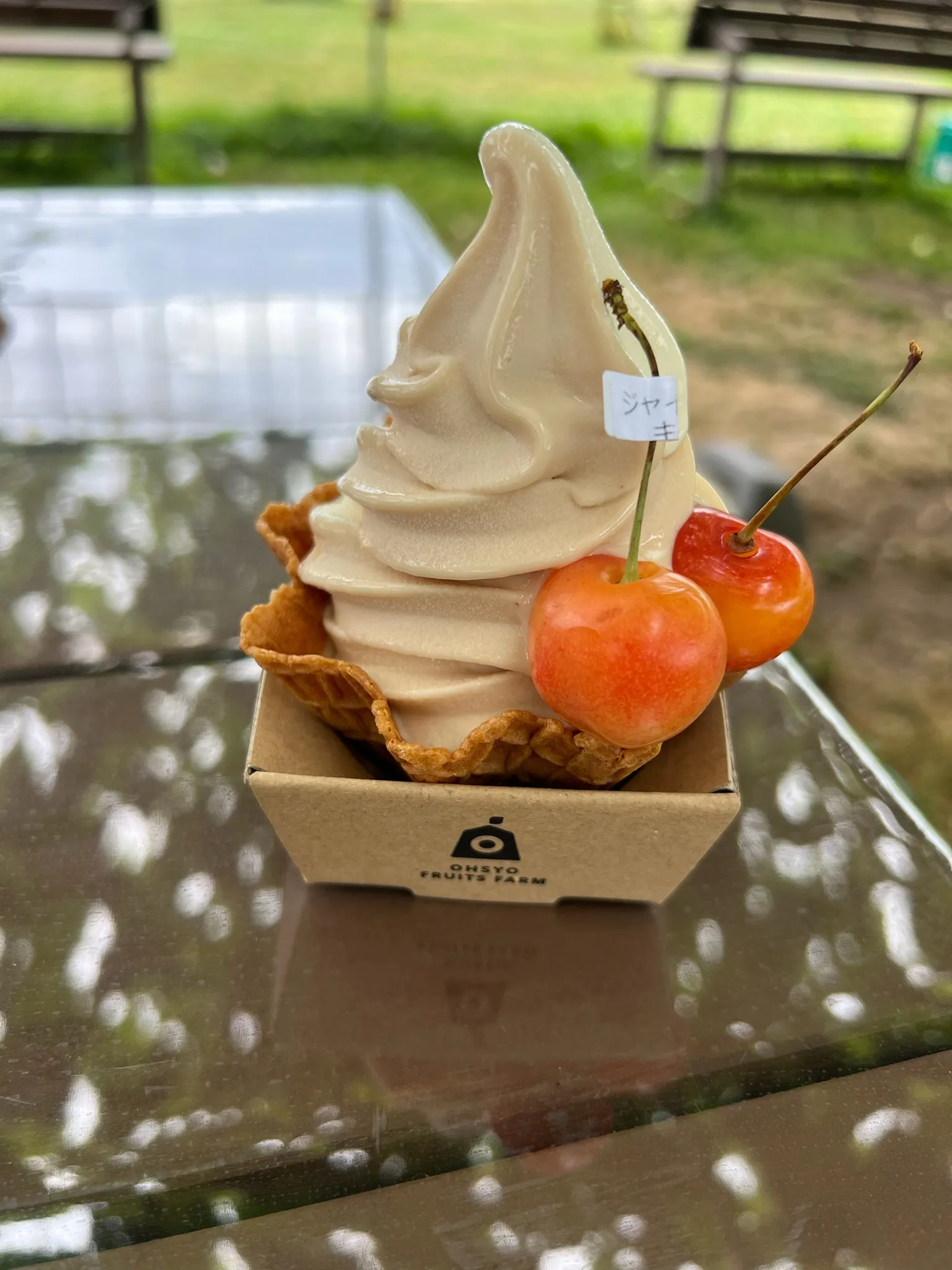
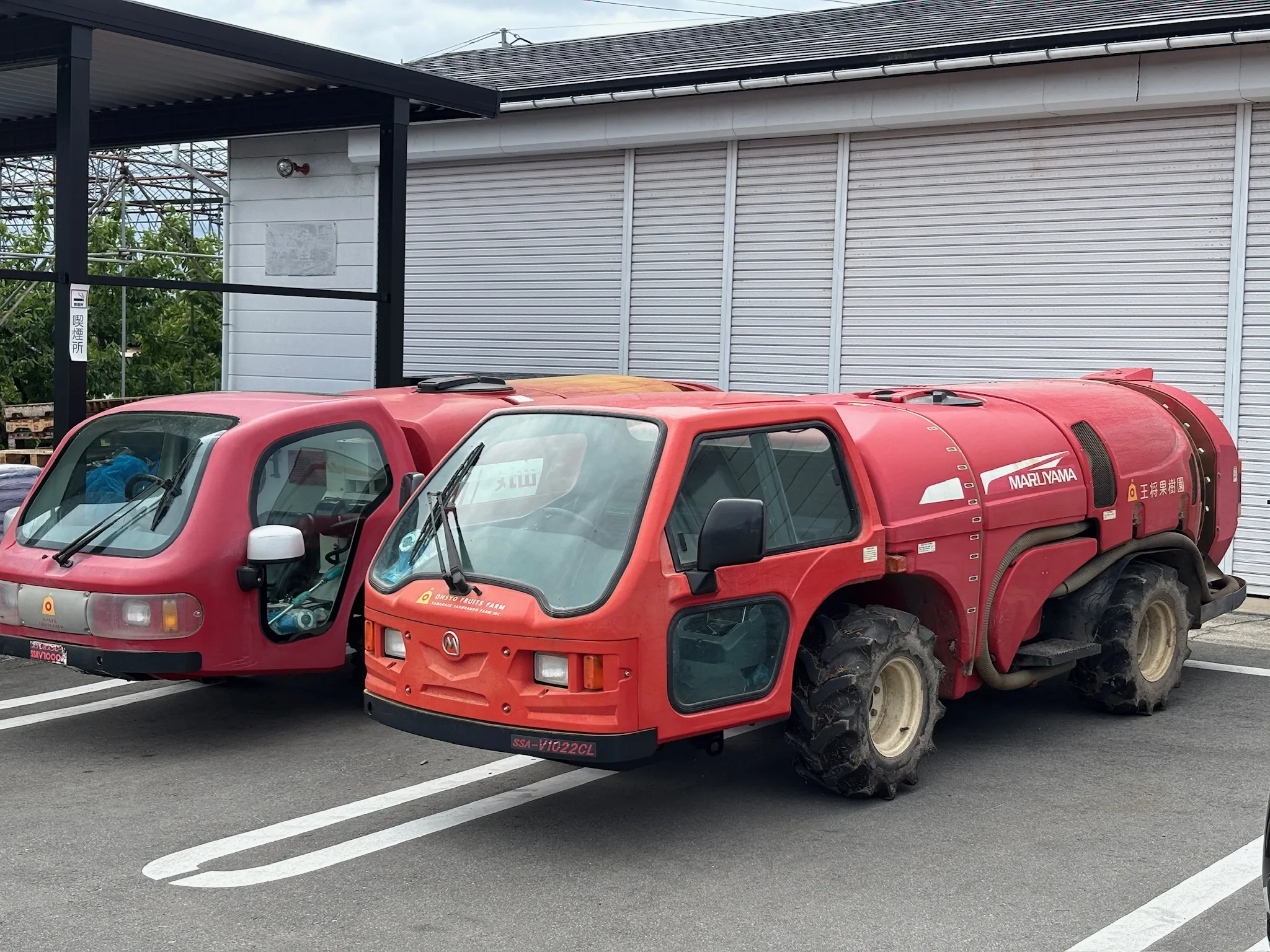
Upon learning that Yamagata is known for its cherries, and that they were in season, we drove down from our ryokan into the basin. We followed Google Maps to random farms, some of which took us into dirt roads in the middle of farmland, only to not exist at all. I think it may be that the cherries are produced almost solely for export out of Yamagata instead of local consumption, and the area is not a popular tourist destination, so it was hard to actually find cherries for sale, especially having come in without doing research. The same is true often of finding good tea at its place of origin. We did manage to find a store and bought some Sato Nishiki cherries, which other members of our party said were very good (though I don’t like cherries). After some cherry ice cream, we were headed back to Sendai for the afternoon.
Some of our group were tired, so we split at Sendai, and I went off to wander on my own. You always experience the world with a small bubble of it in very high resolution, while everything else is blurred in the background. When you’re with people, usually your bubble is filled by you and them, with anything outside only occasionally making it in. But when you’re on your own, there’s only so much space you can take up, so the world around you makes it in. In high school I used to travel alone a lot; nice-looking buildings and tree-lined streets, the sky that day, a stranger who’s nice to you, all of these make it into your life in very high clarity. They define the shape and color of a place, and they give you a relationship with it. It is very hard not to love a place when you have such a relationship with it. Now, it is much less often that I travel alone and feel the world in this way, but every once in a while there is an afternoon where I do, and I always really cherish these times.
From Sendai Mediatheque, a contemporary-looking glass-walled public library, I walked east on Jozenjidori for a few minutes to Kotodai Park. Jozenjidori is a fairly wide road completely in the shade of large trees. There were many people walking around, but there was none of the hecticness of rush-hour Tokyo or excitedness of tourists, it was just people going about their ordinary day. There was a neighborhood music festival at the park, where I sat for a while listening to some unremarkable and inoffensive rock and watching some kid eat a hot dog.
I decided to go to the Aobayama Park area, which was to my southwest, on the other side of the Hirose River that curls through the western edge of central Sendai. I took a long route to walk through the area that was pale yellow on Google Maps, which was an old-school shopping street, with some department stores and small shops on the sides of a wide tiled street. At this time of day it was mostly older women wandering around in pairs. I turned right at Aobadori towards the river.
Right across the river was Aobayama Park, which from this side of the city just looks like a big green hill that stretches along the riverside. The river was almost dried up, more yellow weeds than water. Sendai was founded in 1600 by the daimyo Date Masamune, who built his castle on Aobayama, which served as a natural high ground for a castle, with the Hiyose River as a natural moat. The city of Sendai stretches all the way from the Pacific coast to its east to the Ou Mountains to its west, and Aobayama is the very eastern edge of the mountains where they meet lower lands. Most of the population of Sendai is concentrated in the area right under Aobayama, hence fairly far away from the coast.
Nothing really remains of the castle, with most of the structures destroyed during the Meiji period and further bombed during the US strategic bombing of Japan in 1945. I did visit the Sendai City Museum here; I often enjoy these city museums, which by nature present a focused narrative of one place, rather than, say, a collection of valuable but usually unrelated artifacts, like in national museums.
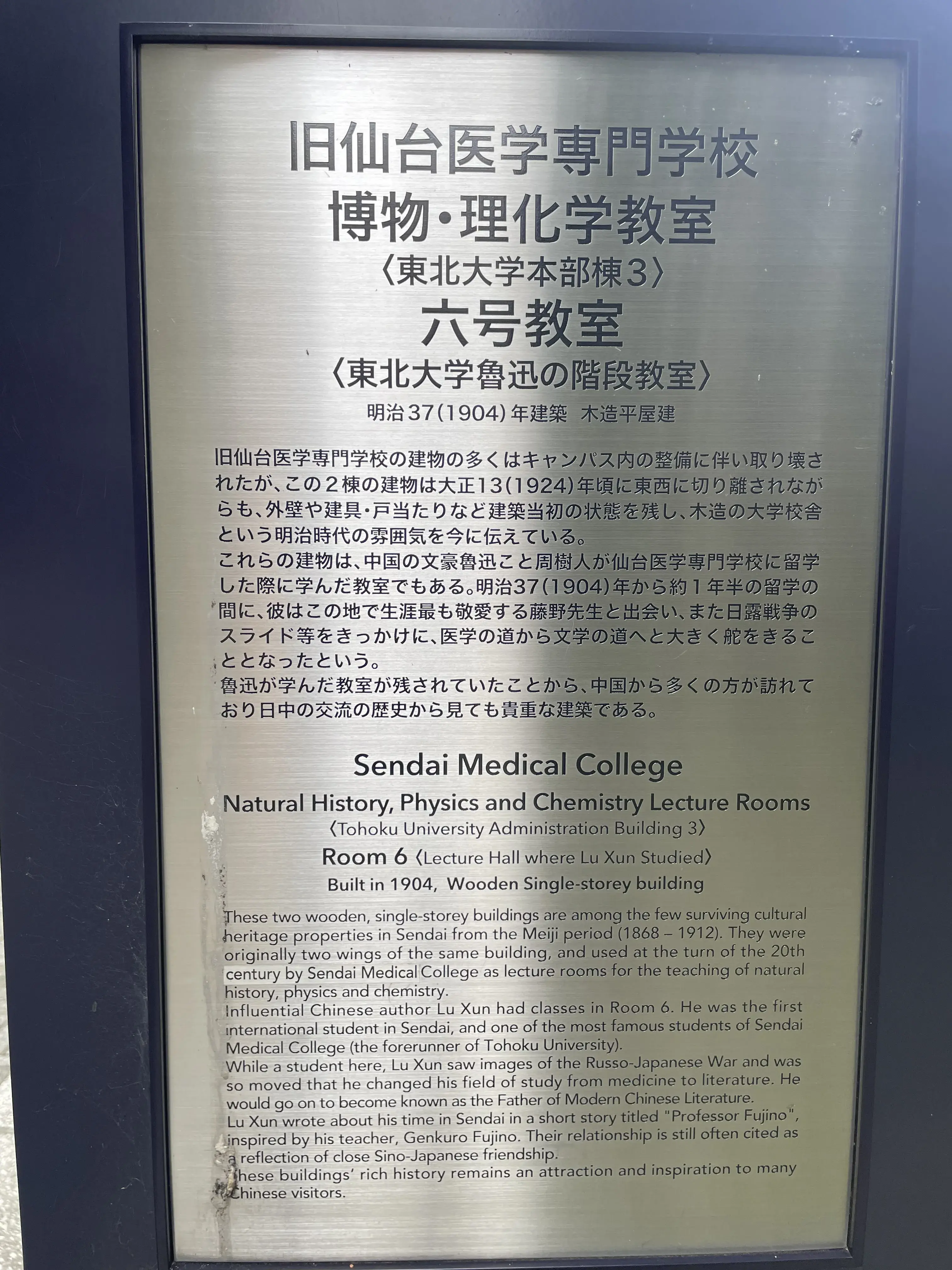
One of the reasons I was originally interested in Sendai was because Lu Xun studied at Sendai Medical College (now the Tohoku University Katahira Campus) in 1904–1906, which he famously wrote about in the preface to Call to Arms (《呐喊》, a collection of short stories about revolutionary China that are considered the beginnings of modern Chinese literature) and “Mr. Fujino” (《藤野先生》). In the preface to Call to Arms, Lu Xun describes watching images of the ongoing Russo-Japanese War projected in his lecture hall in Sendai, seeing the apathy of Chinese onlookers to the execution of a fellow Chinese man deemed as a Russian spy, and thinking that what the country needed was not Western medicine but to change the people’s spirit. He cites this as his turning point away from medicine into literature. The subject of “Mr. Fujino” is his relationship with his anatomy professor at Sendai Medical College, whom he holds in deep regard.
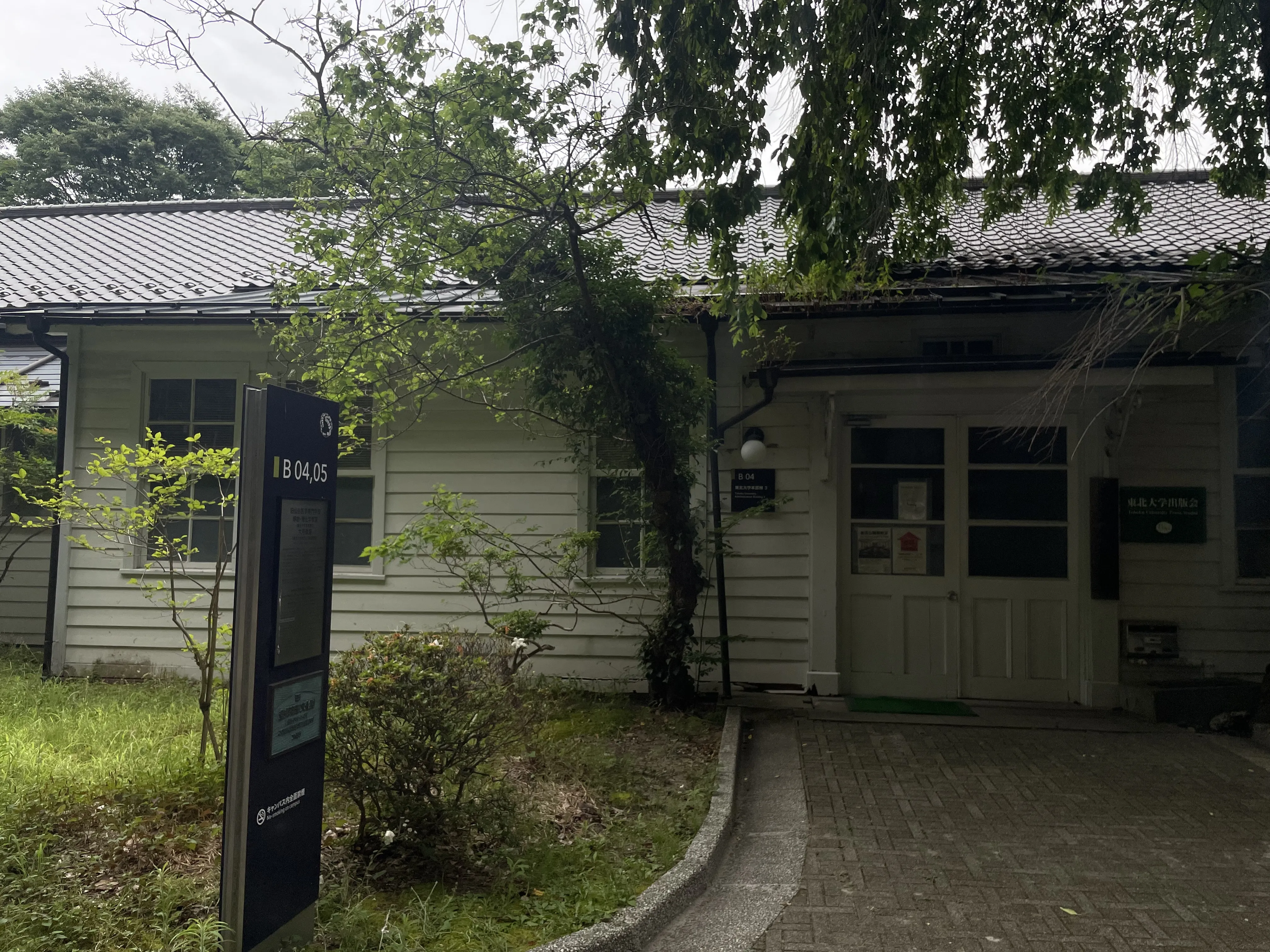
Often one or two stories about a place is sufficient to enchant it. From the museum, I walked to the Tohoku University Katahira Campus. The walk went through some neighborhoods along the river, and I stopped at a 7-Eleven for some onigiri. I had originally decided to just walk around the university grounds, though once I got in there were signs leading to the original lecture hall where Lu Xun had taken classes and some other memorials of him.
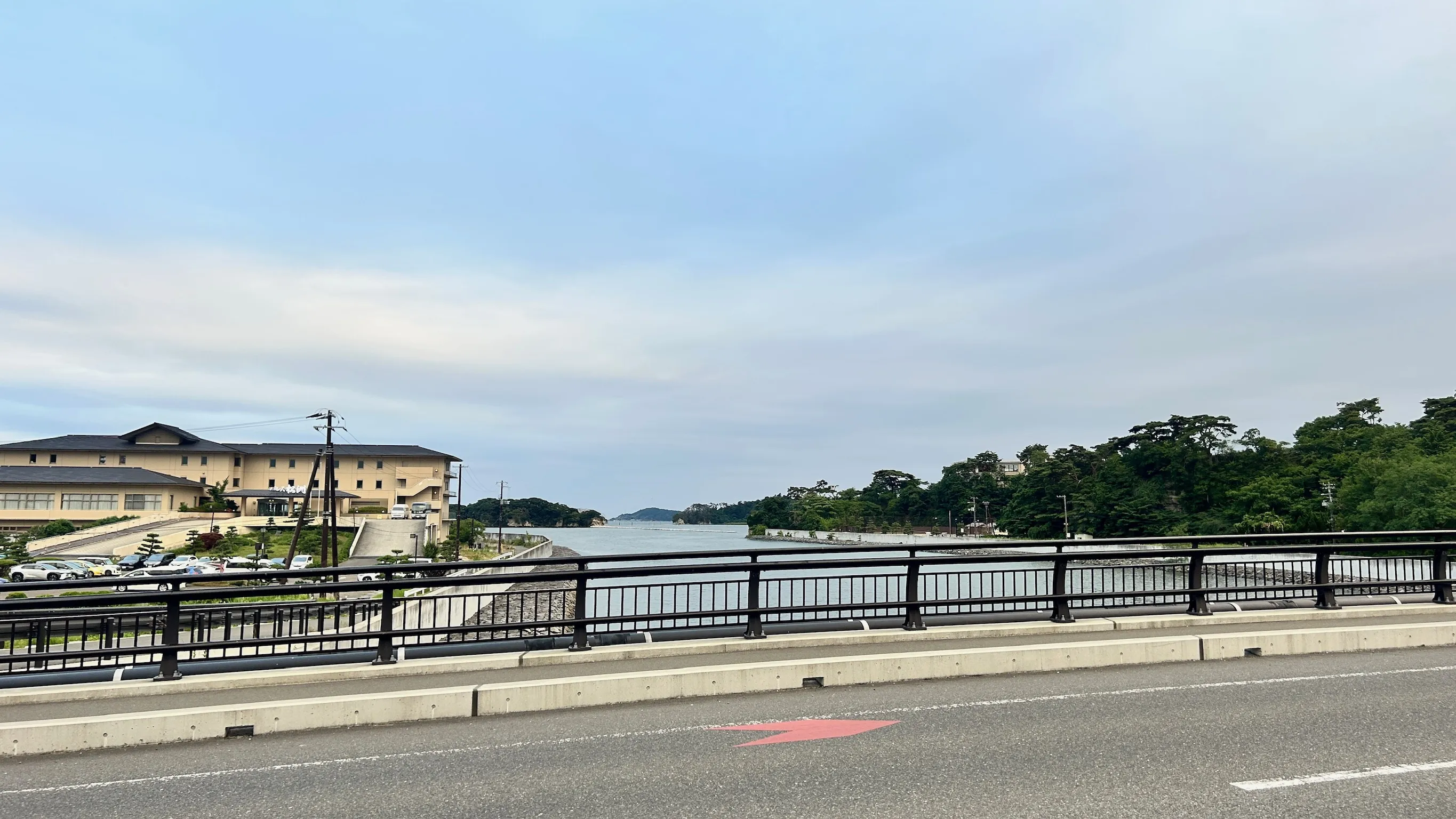
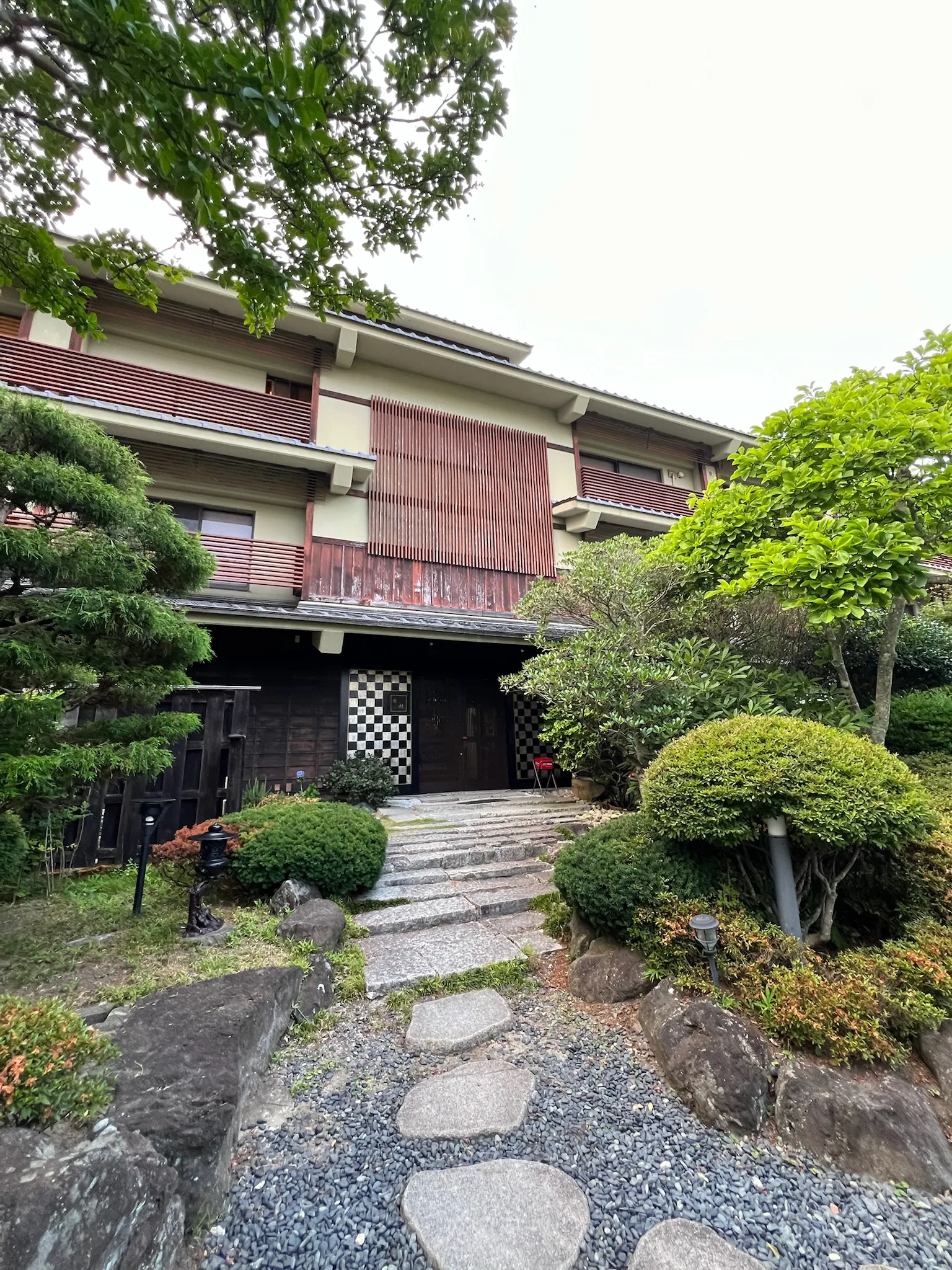
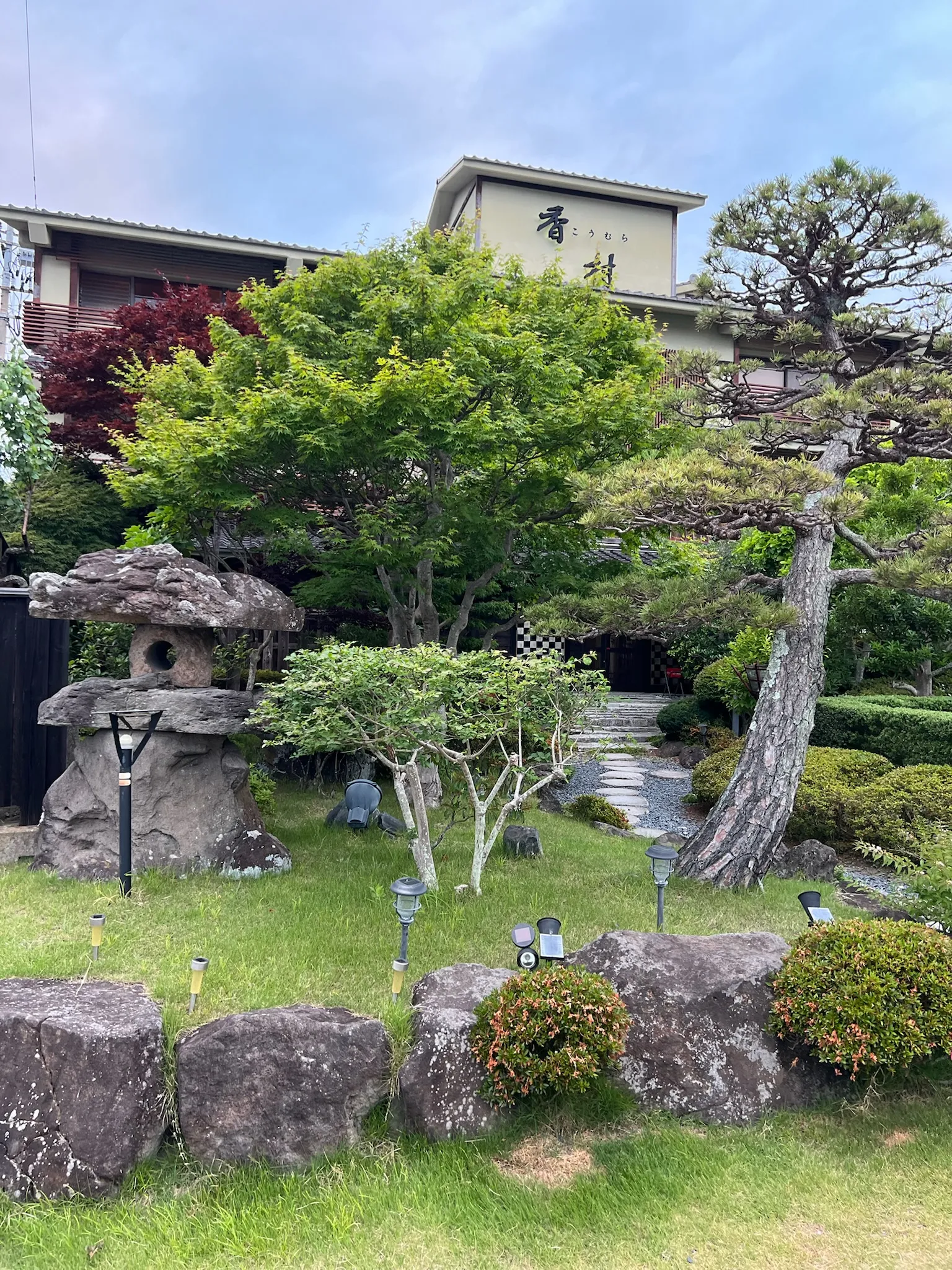
We left Sendai in the late afternoon and drove into Matsushima as the sun was starting to set. Our ryokan was tucked behind an industrial building in a discreet spot next to a river that flows into the bay. The inside of the place was designed perhaps to resemble some outdoorsy onsen complex (in a simple and almost tacky, not fancy, way), with cobblestone hallway floors and wooden eaves attached to the walls. The owners were a middle-aged couple, who just seemed so genuinely happy to see us, with no hint of the friendliness stemming from the expectations of their job. Our check-in process included a pop quiz on the number of islands in Matsushima Bay (with a massive bag of candy as my reward for having the closest answer) and meeting their toy poodles.
We made a quick trip to 7-Eleven to buy dinner and set up our spread on the chabudai in our room. After dinner Calder and I did our nightly onsen-ing (in less exciting but also less scalding waters than at Zao).
Day 6: Matsushima Bay, traveling to Tono via the Sanriku Coast and Kamaishi
The eastern coast of Japan is craggly, with lots of bays and small islands just off the coast, and the land is quite close to sea level. So when you stand on the coastline and look out to the Pacific Ocean, the waters always look peaceful. Matsushima Bay, especially, is a still, picturesque landscape; the small islands and wind-blown pines cut a very defined shape against calm waters. We took a cruise that sailed around the bay, and I had my boxed milk and steamed cheesecake bread while looking out at the islands and trying to hear the tour guide over the wind. A very nice morning affair.
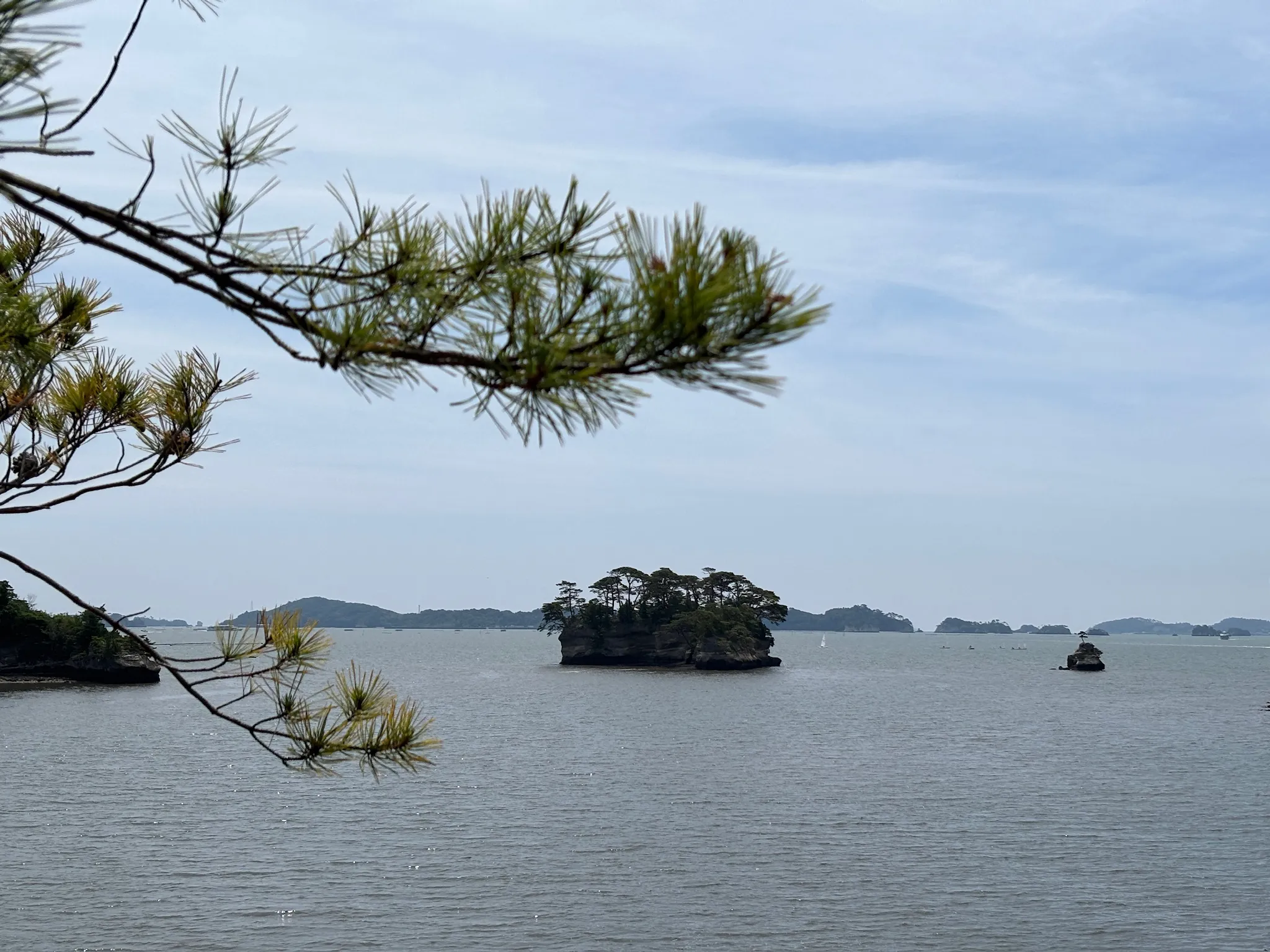
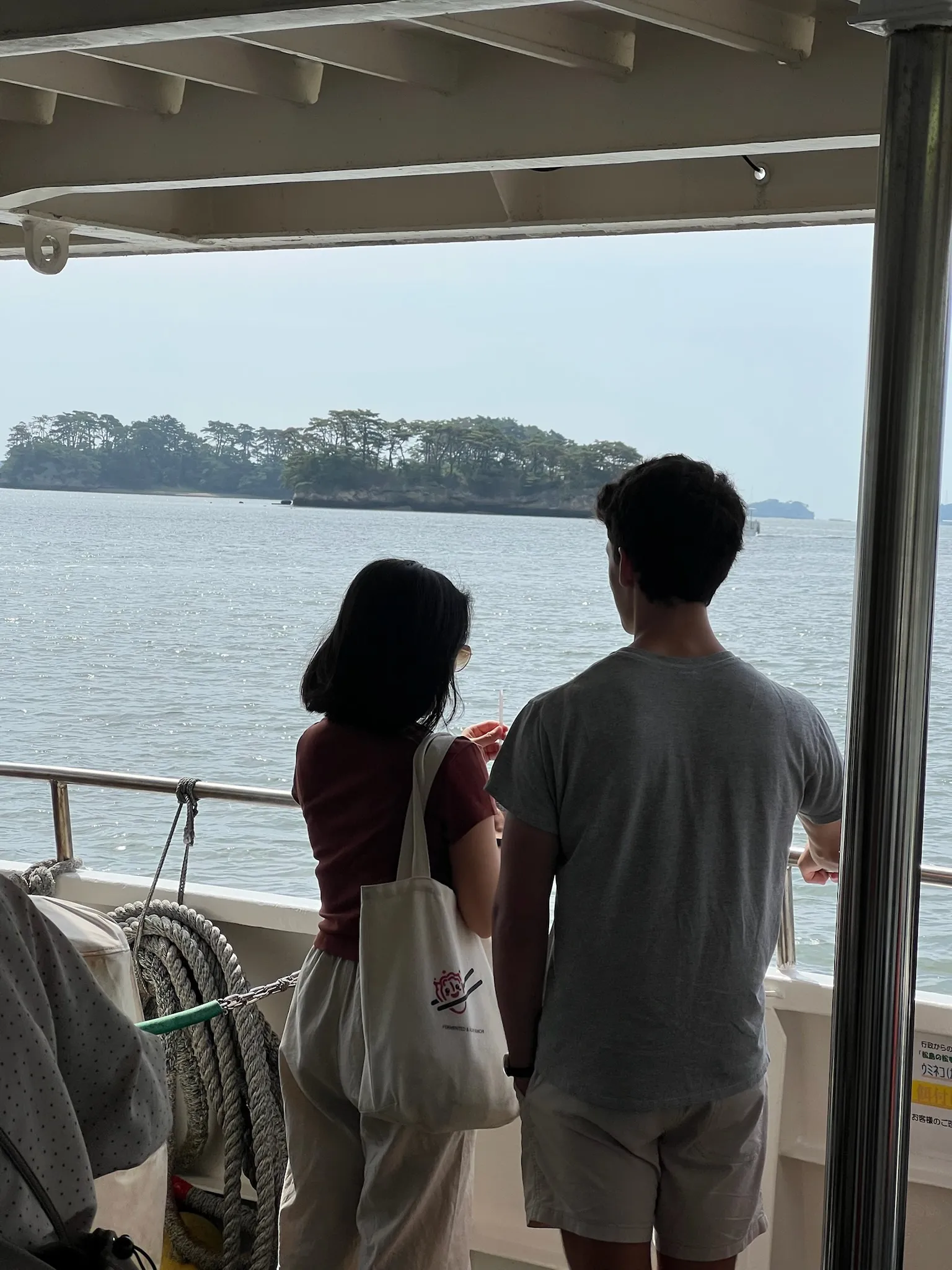
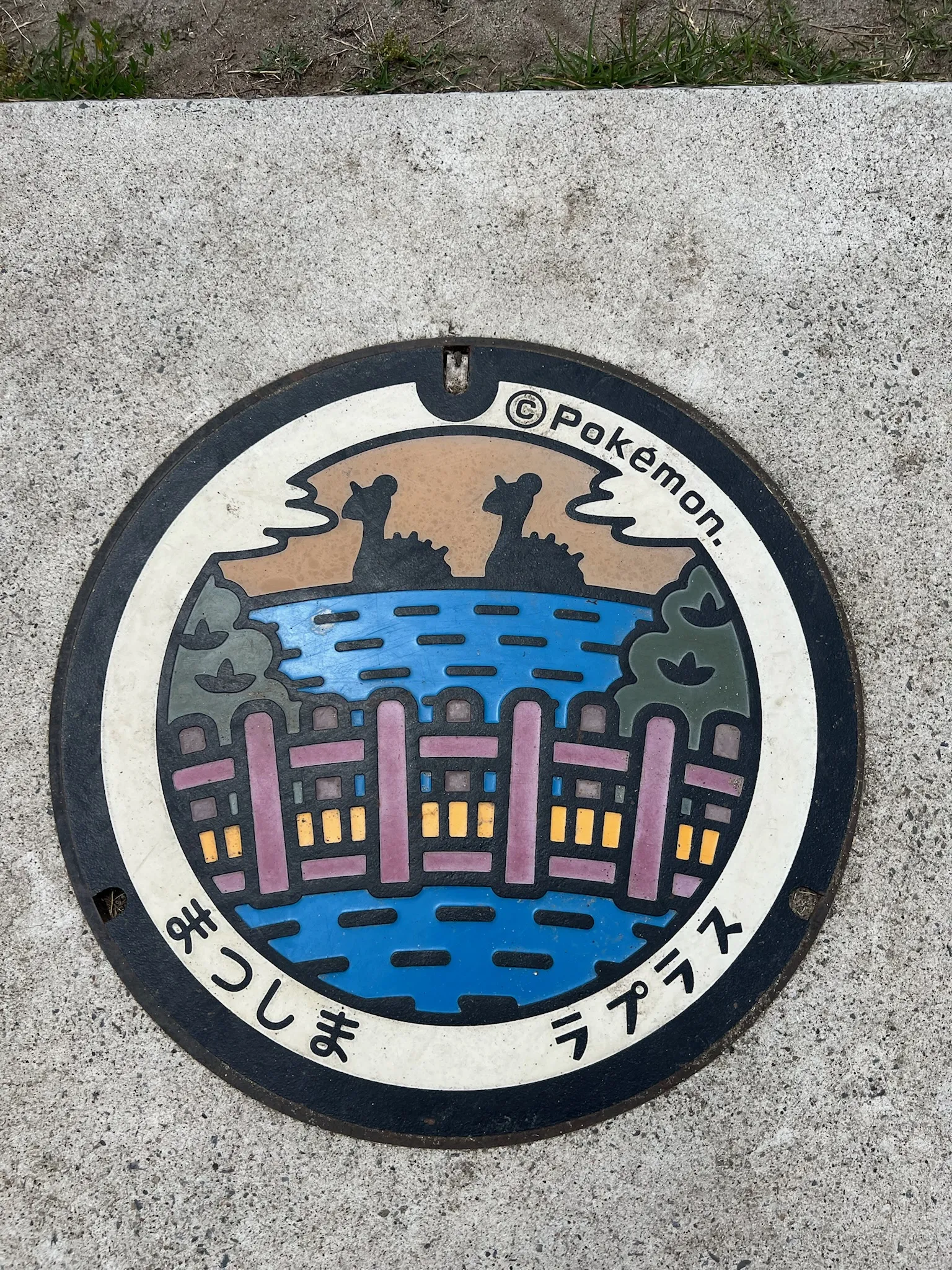
Today’s plan was to head north on the Sanriku Coast (the eastern coast of Tohoku from Aomori to Fukushima), cutting inland at Kamaishi to get to Tono by night. Unlike some coastal drives (like California’s Highway 1), where you’re driving next to an expanse of ocean almost the whole time, here most of the road (Highway 45) is in mountains, and you see the ocean only in the intermission between segments of mountains.
Sanriku is a ria coast, where the coastline comprises many parallel inlets separated by ridges that jut out into the ocean. This geographical feature gained some public exposure during the aftermath of the 2011 Tohoku earthquake and tsunami, as these inlets basically funneled the oceanwater inland and concentrated the waves in these narrow strips. Many of the towns on the coast were in or connected to these river valleys and thus suffered amplified damage from the tsunami. Kamaishi, along with a few neighboring towns, constitutes the part of the coast where this geographic feature is most prominent.
We had a late start, so only got into Kamaishi around 2pm. The seafood market where we had planned to have lunch was already cleared out for the day, but one small restaurant inside the market was still open. The three kids decided to eat here, while the parents went out looking for ramen.
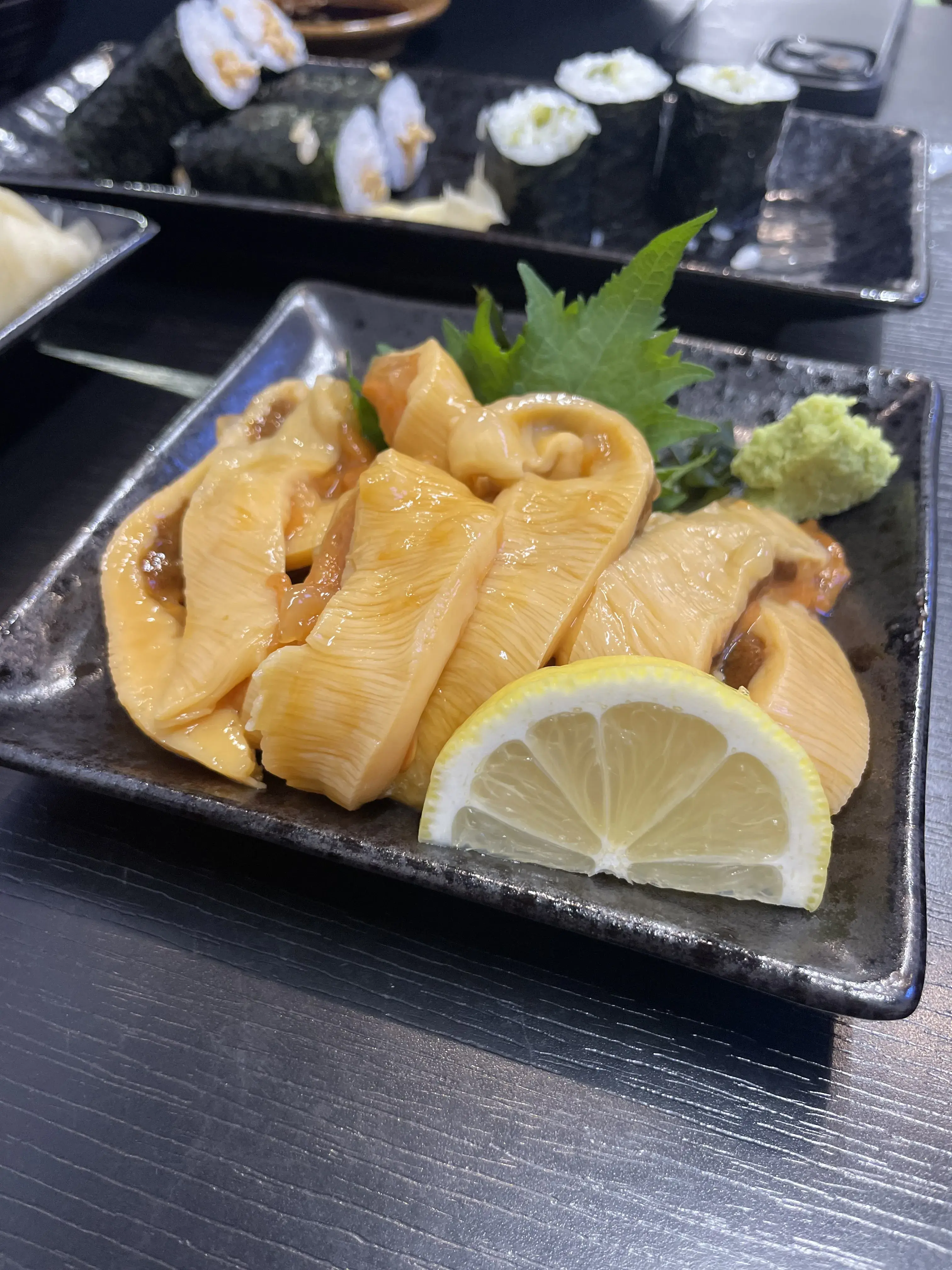
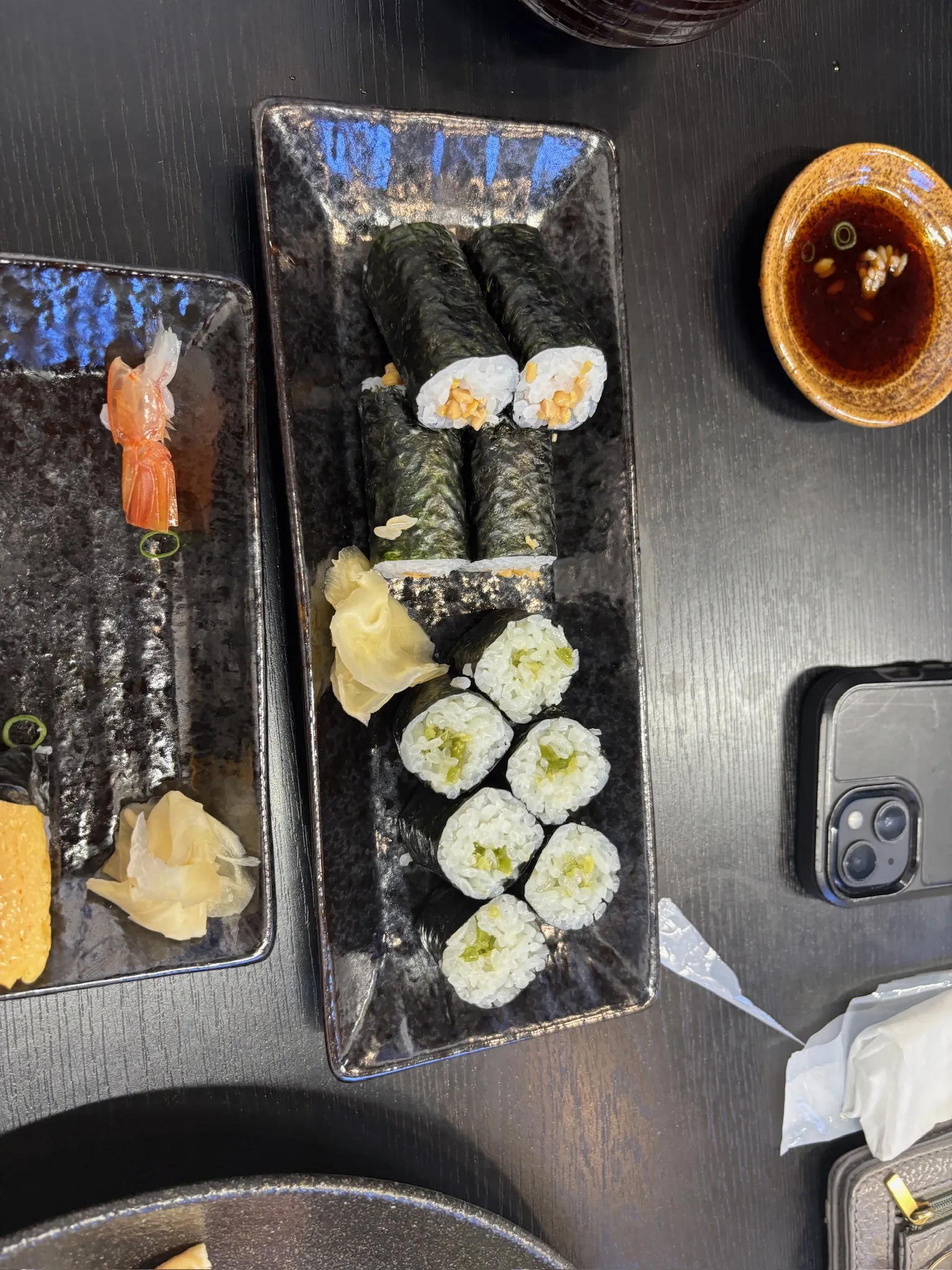
The Internet told us that a specialty of Kamaishi was its sea pineapple, so that was our main mission for lunch. Lucky for us, the restaurant had one last portion of sea pineapple left. Along with that and some more familiar seafood, we also got a nato roll and a fresh wasabi roll. The sea pineapple was very peculiar in taste and texture, both of which I hated. It tasted like very strong chemical cleaning products and textured like slimey rubber, but somehow worse than how that sounds. I am generally a seafood fan and reasonably tolerant of weird foods, but this just couldn’t work for me. Jasper and Calder were more okay with it and got lots of joy tasting the pungently weird taste over and over. The nato roll we pawned off to Calder. The wasabi roll was strong but had quite a nice flavor. All in all, a very fun lunch.
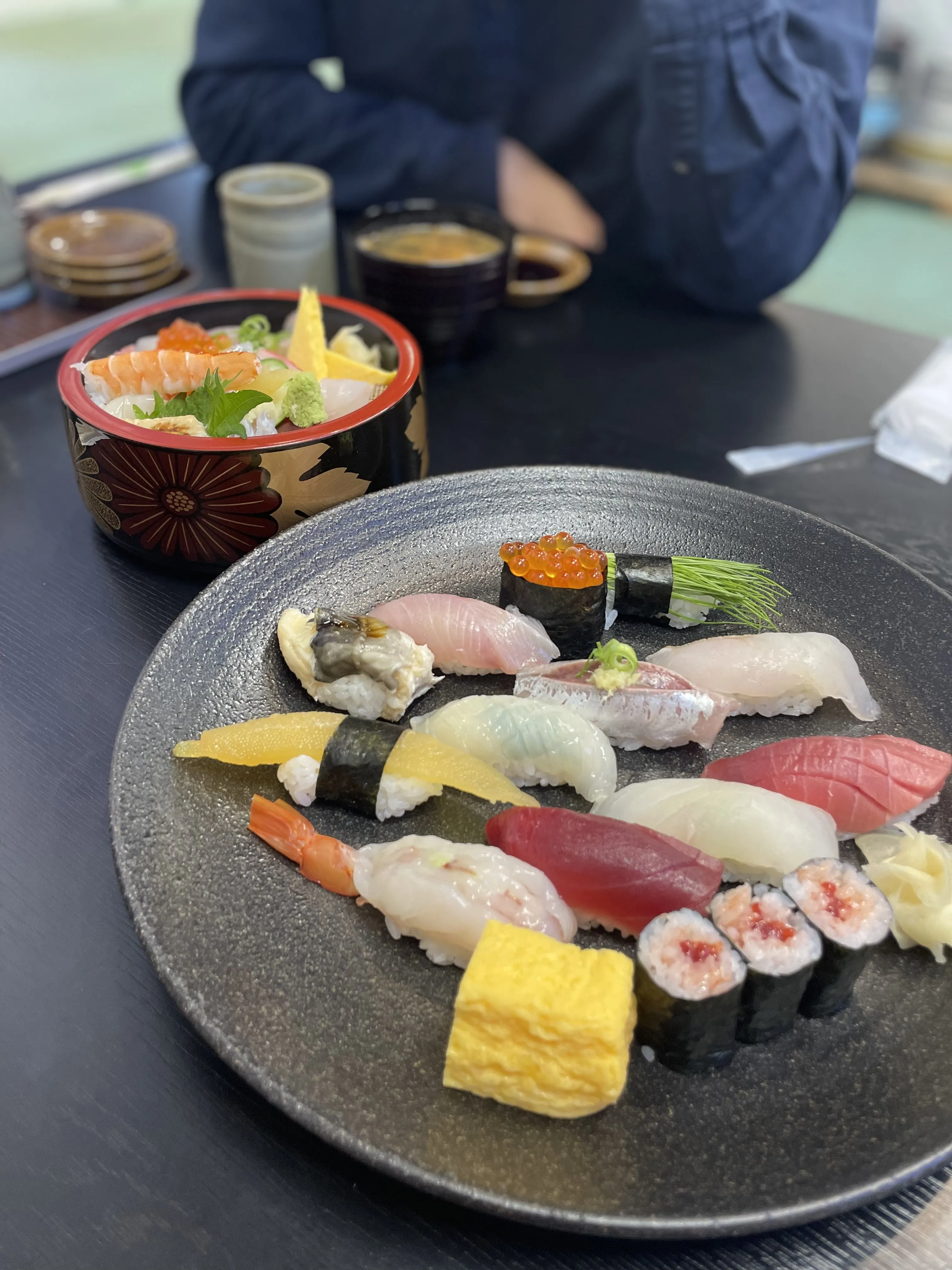
After lunch, we waited in the parking lot for the parents. There was a Lawson next to the parking lot, and we remembered that we had not yet tried fried chicken from Lawson, so Calder and I acquired some. We got some of these colorfully packaged fried chicken nuggets in weird flavors as well as normal slabs. All of them were disappointing. We only tried Lawson one more time later, but it remains solidly in the bottom of my convenience store fried chicken ranking.
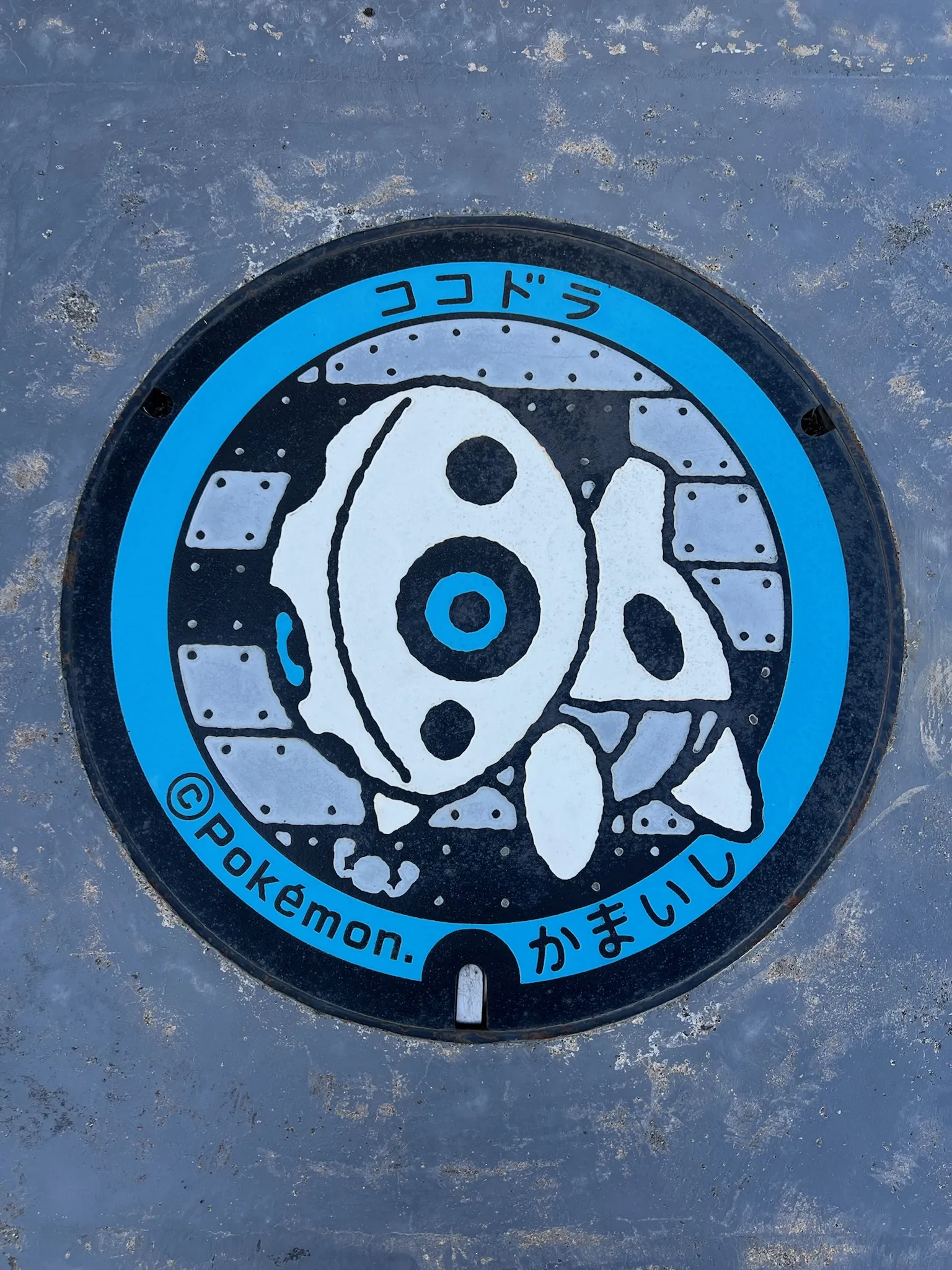
The supplementary reason we decided to stop at Kamaishi on our drive was because they had the Poké Lid for Aron, which is Jasper’s mom’s favorite Pokémon. Once the parents were done eating, we drove to the Poké Lid, took some pictures, then went on our way.
[to be continued]
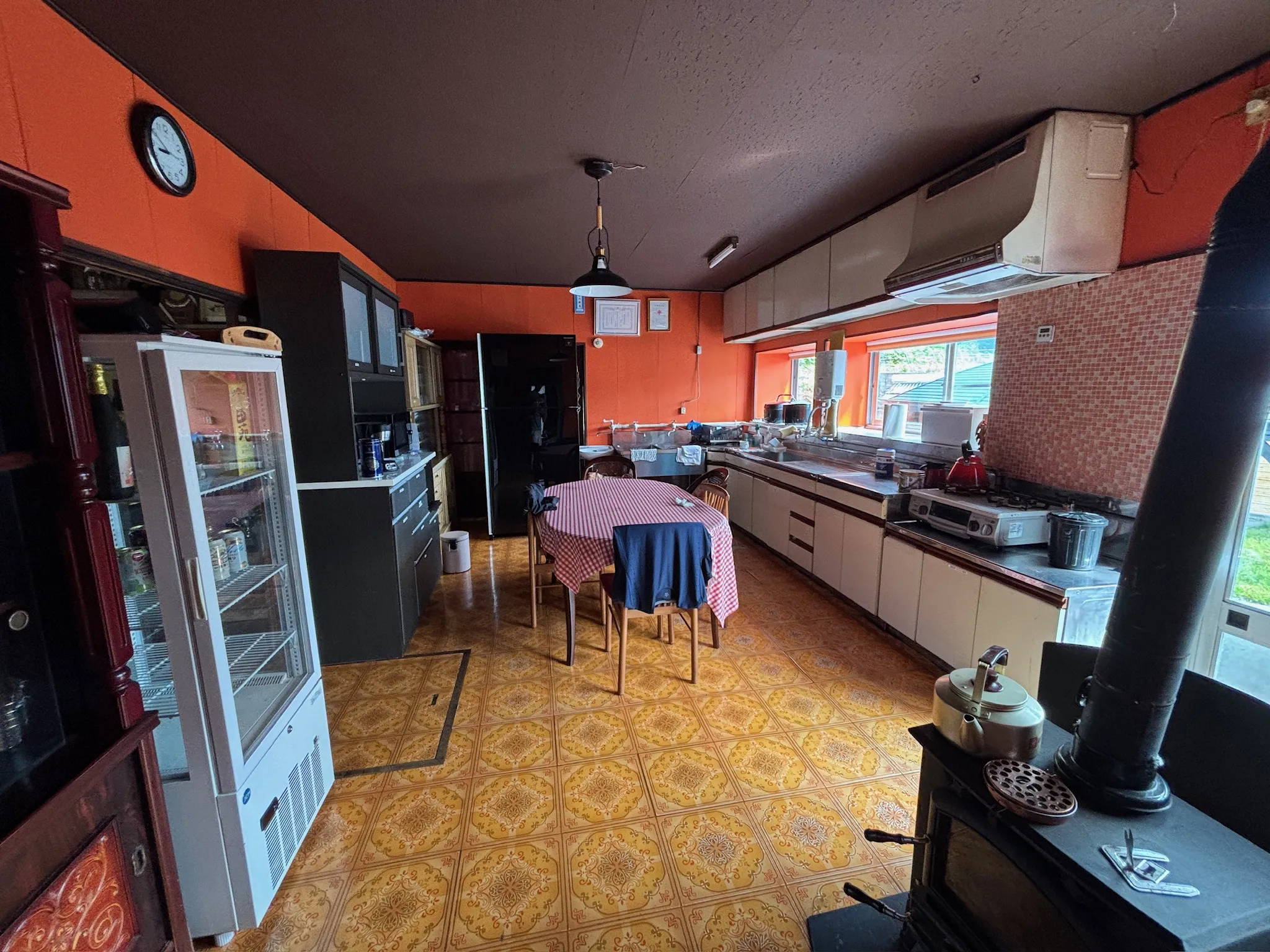
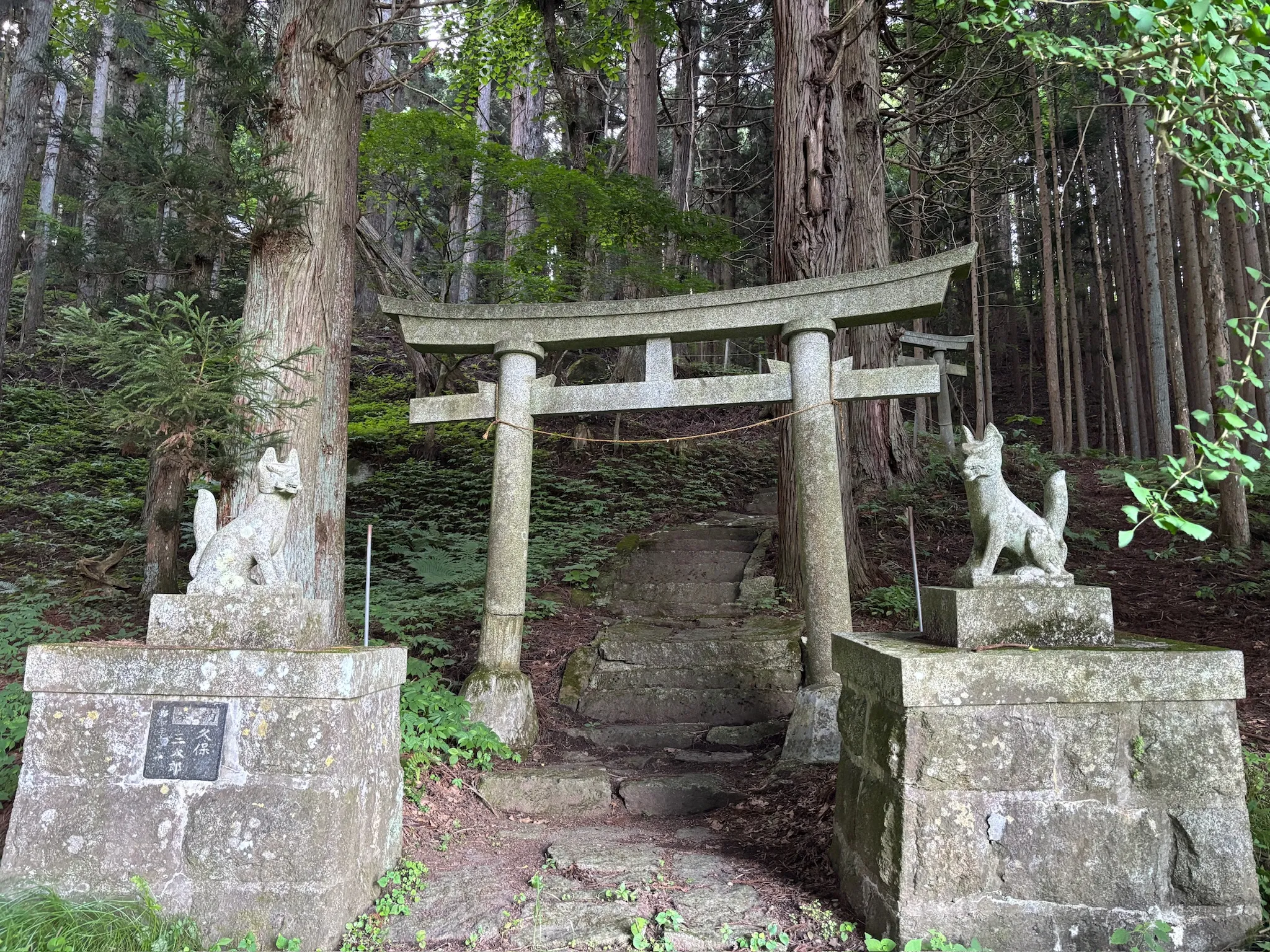
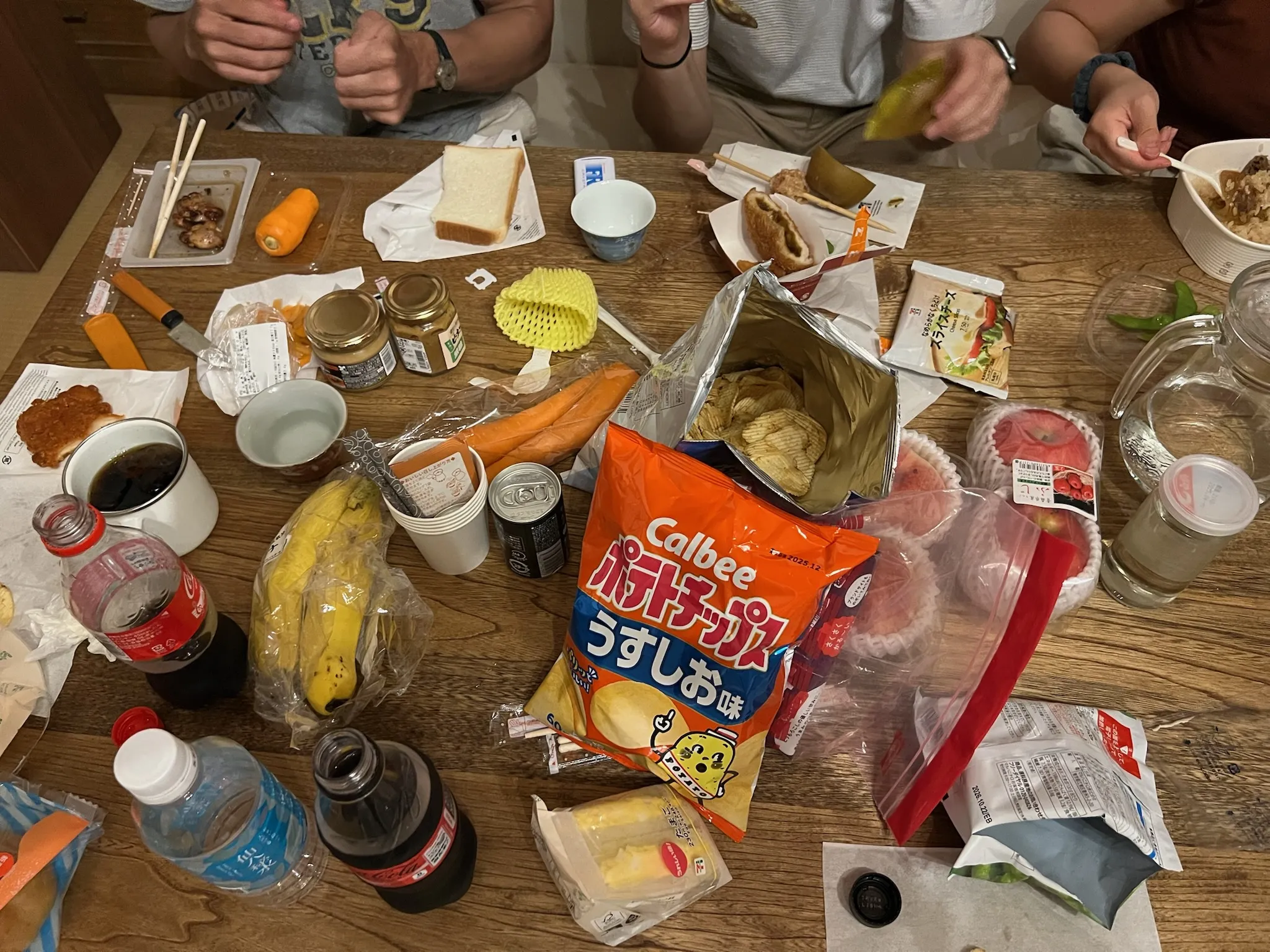
Day 7: Tono, traveling to Lake Towada
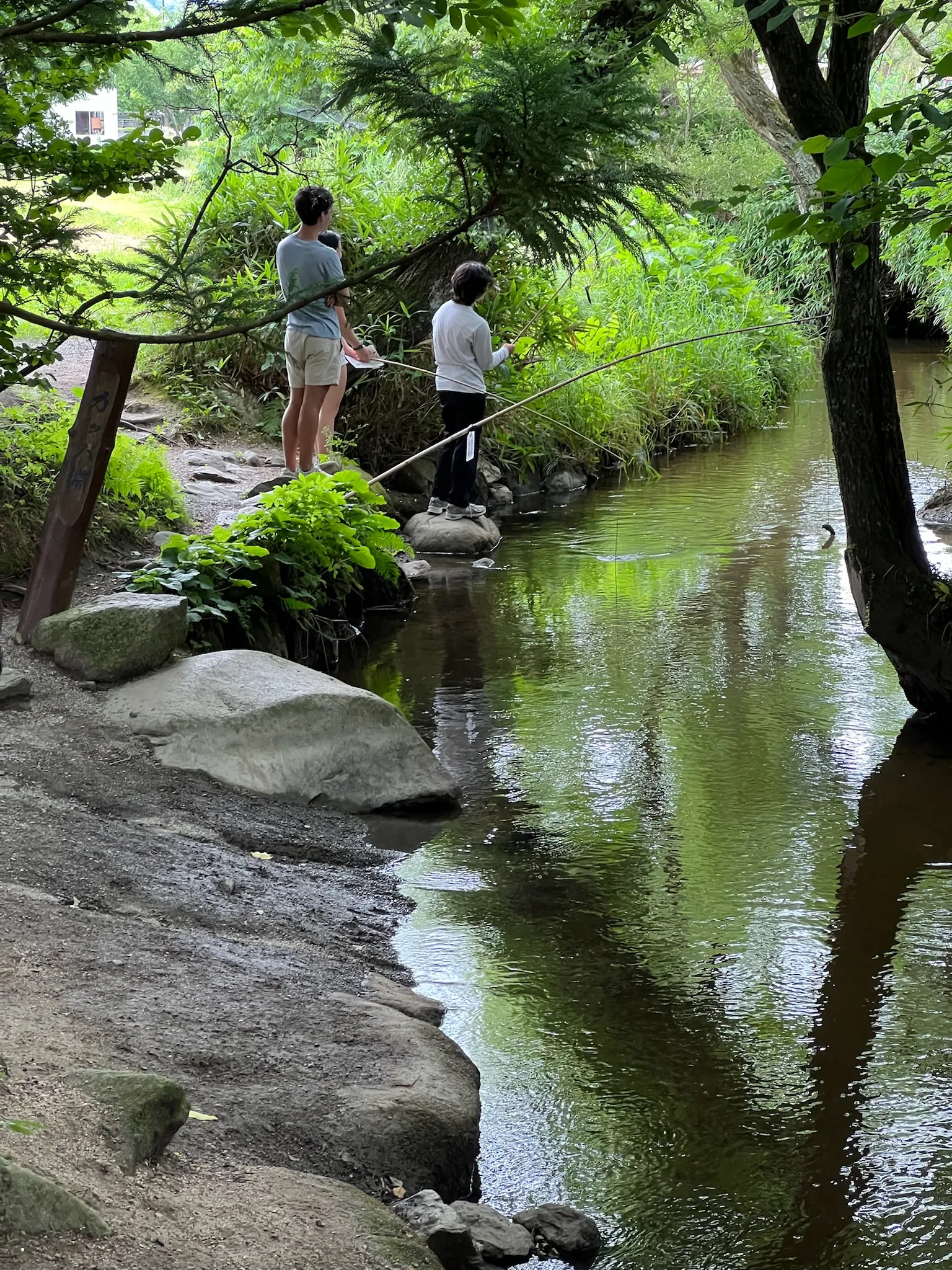
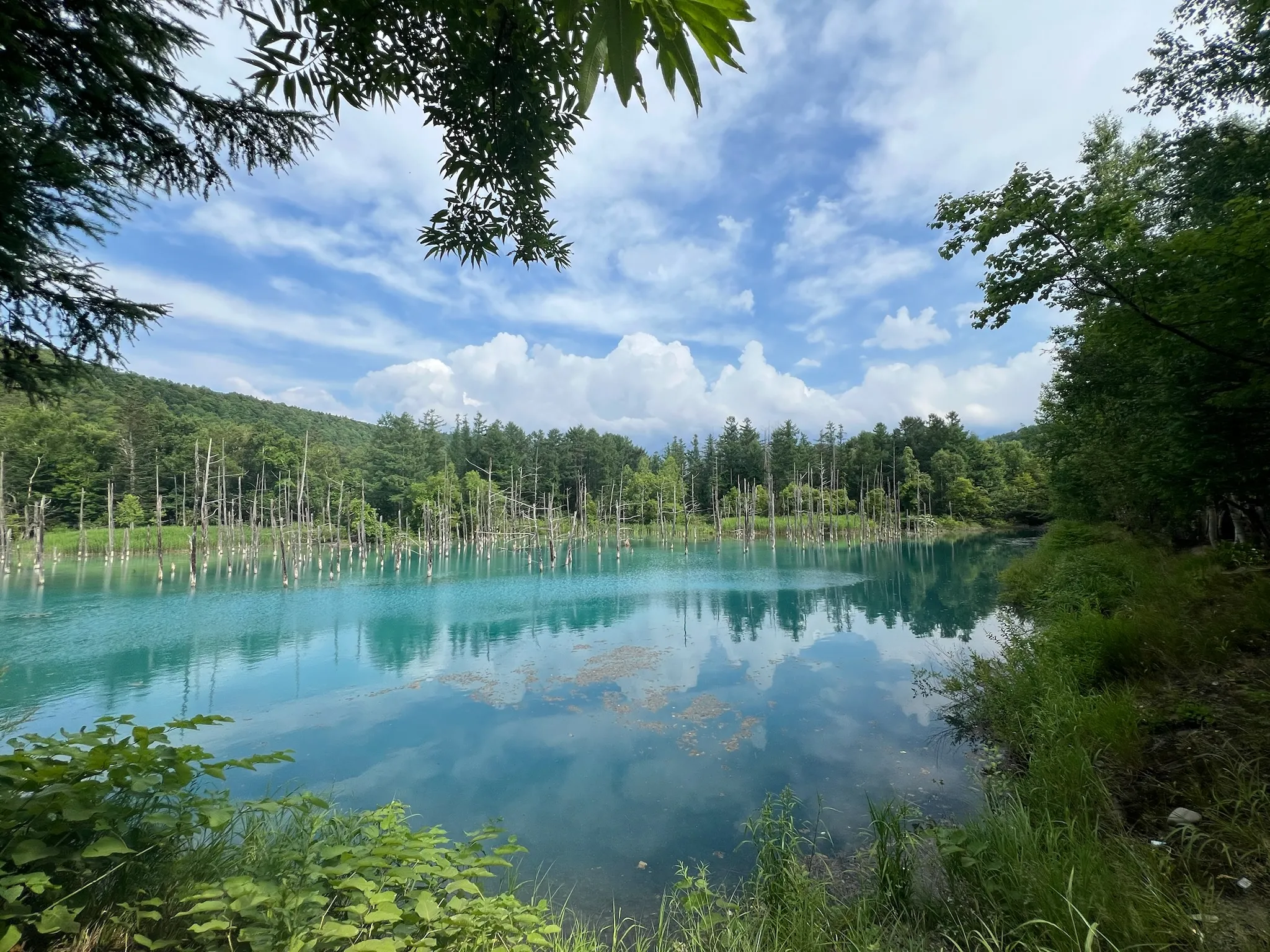
Day 8: Oirase Gorge, traveling to Sapporo
Day 9: Sapporo
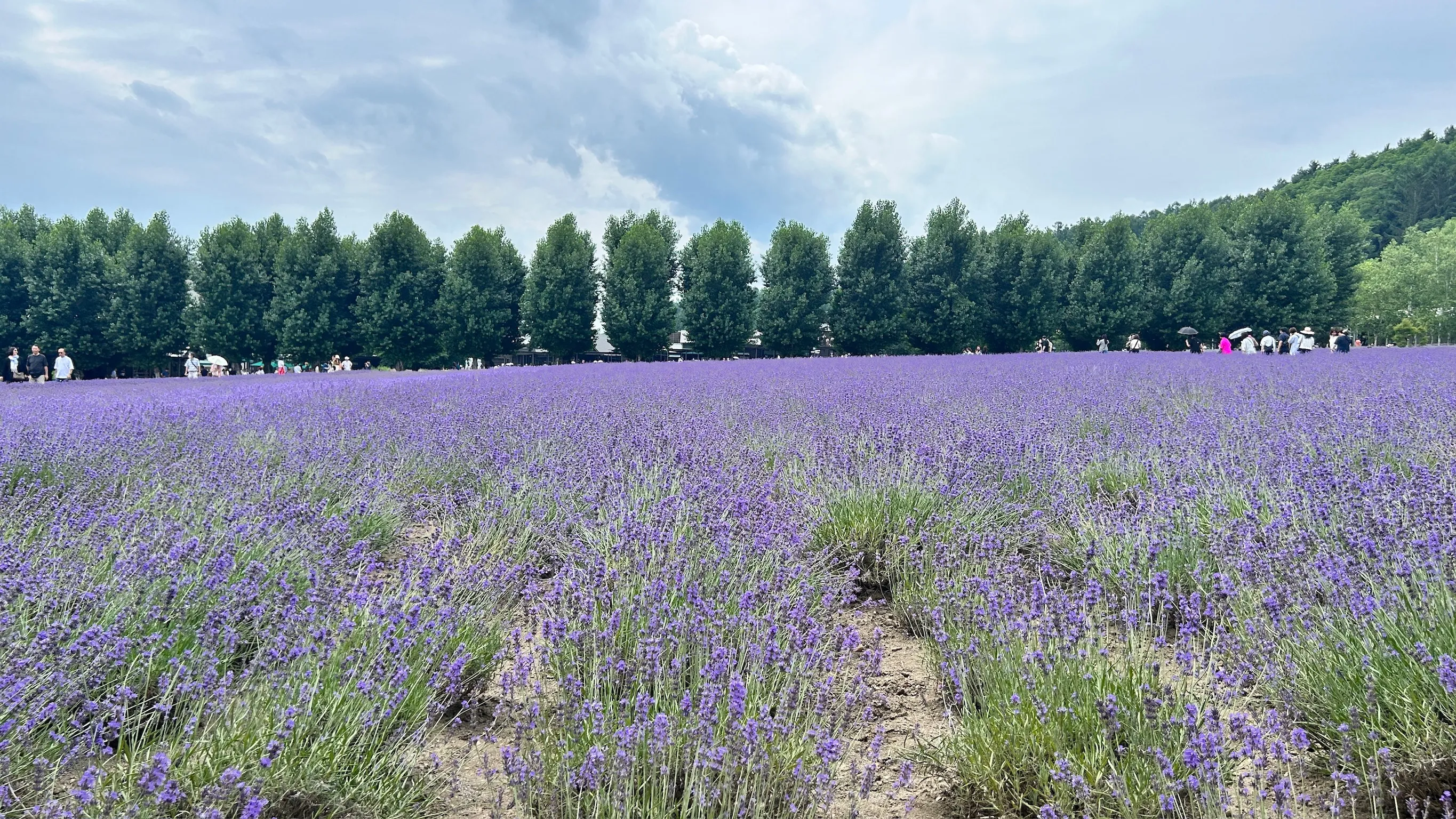
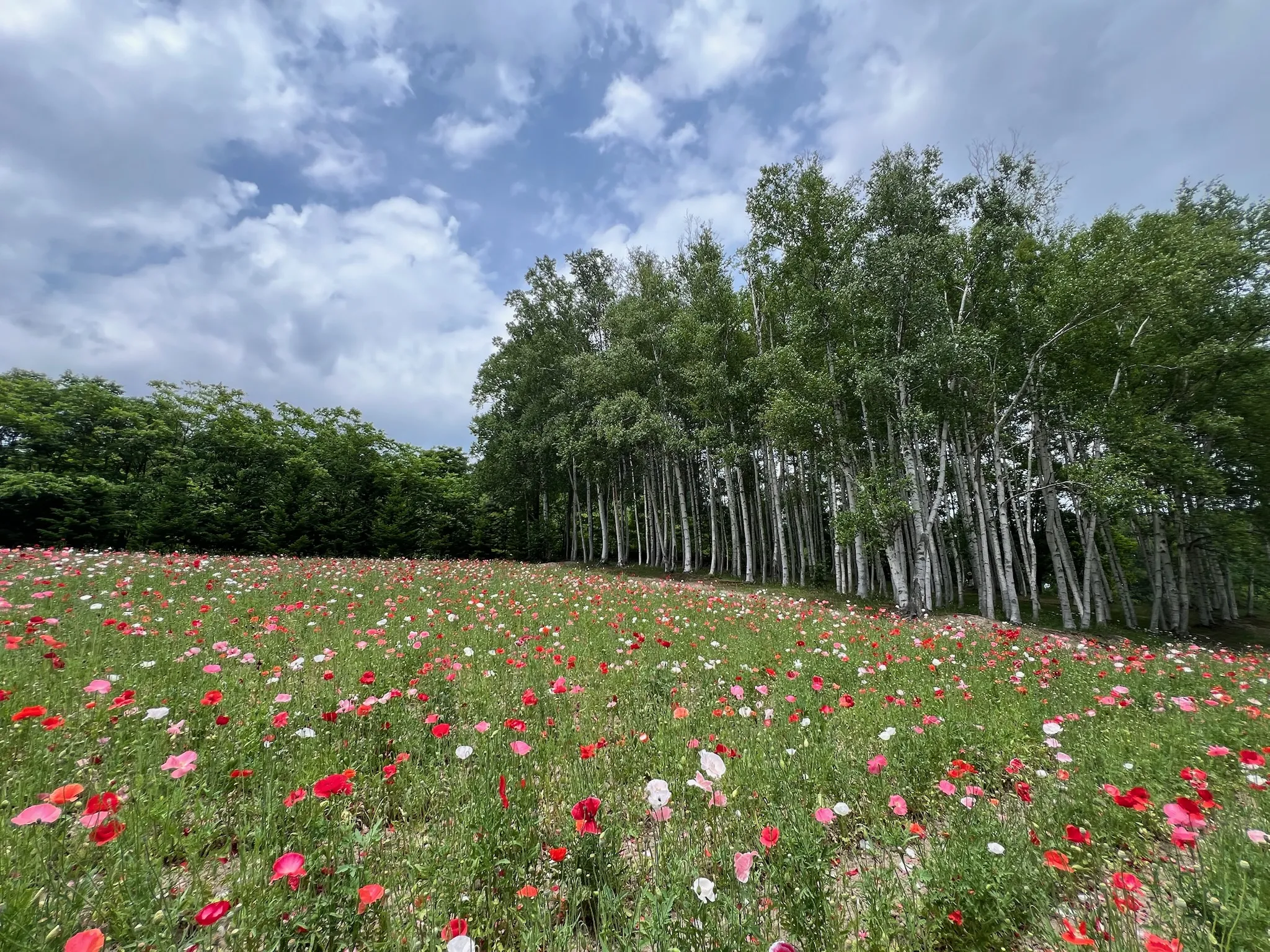
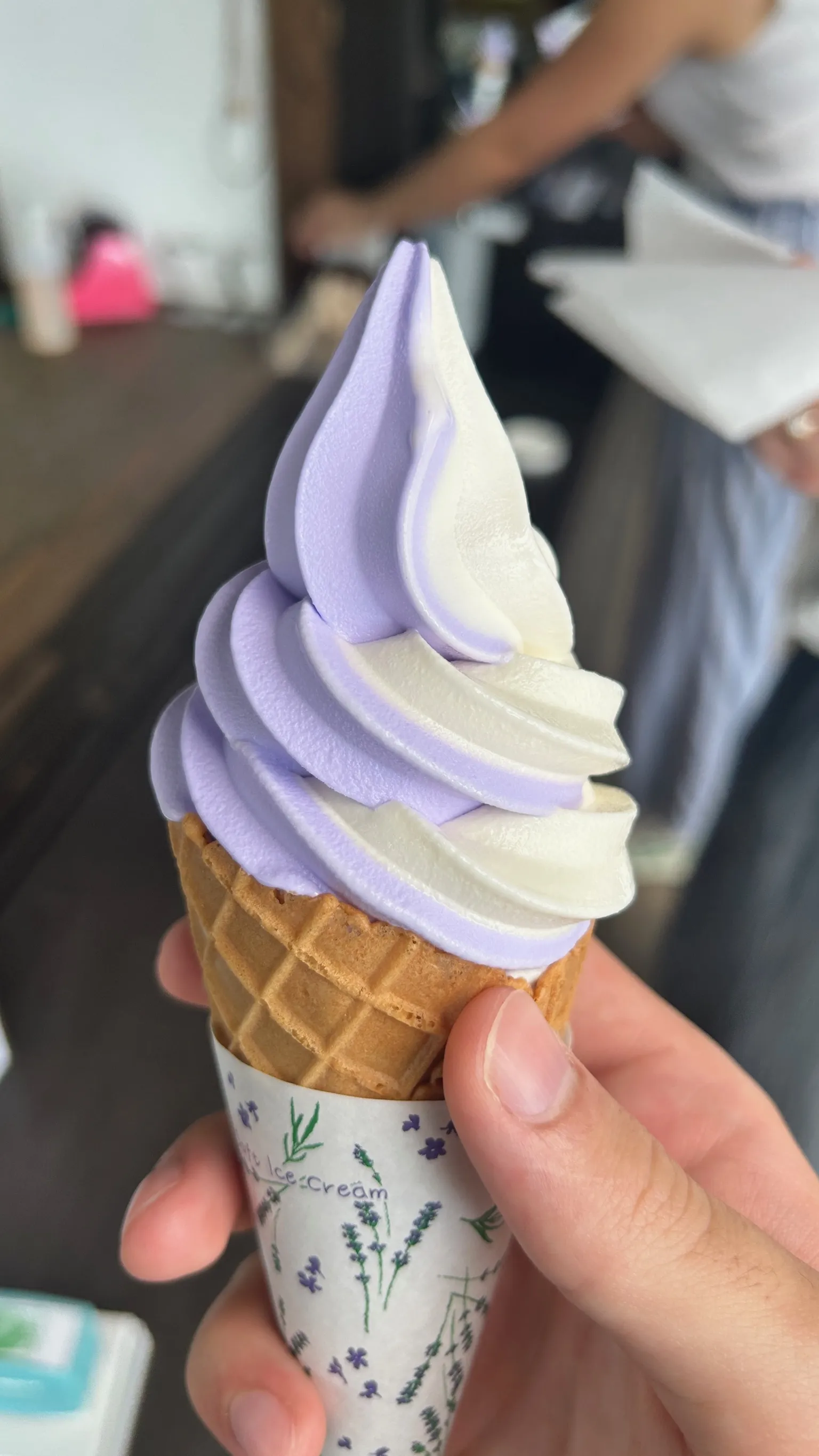
Day 10: Furano
Day 11: Travel home!
Japan 2025.7.4–2025.7.18