Southern Japan (summer 2024)
2025-09-19
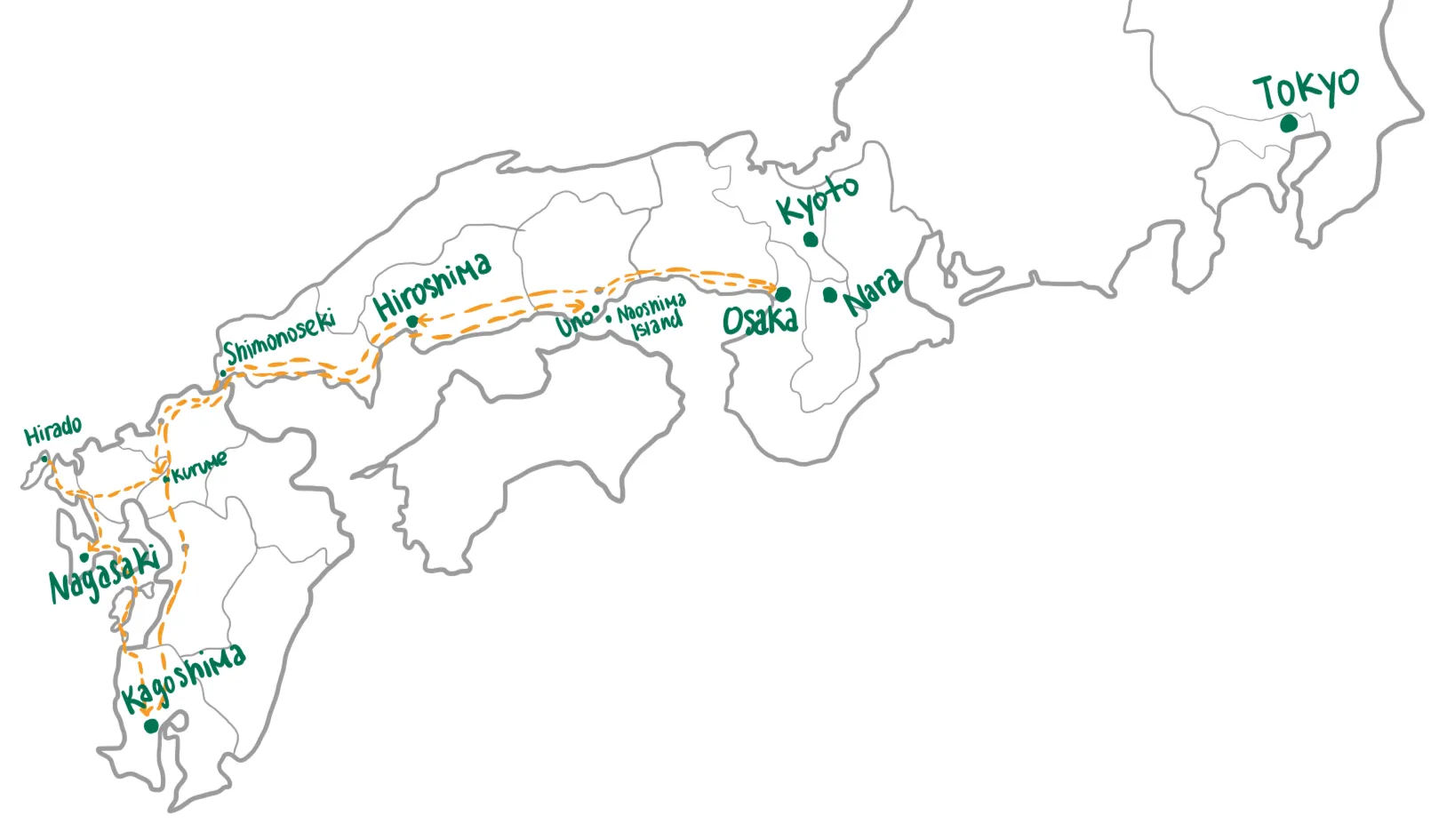
The four of us (my parents, me, and Leo) spent two weeks in Japan, including a road trip through southern Japan. It was a really enjoyable trip for us — seeing the country on the road, taking lots of unplanned stops and detours — but less recommended for those who want less hecticness, less driving (2000km over 7 days), and more certainty.
Day 1: Arriving in Kyoto
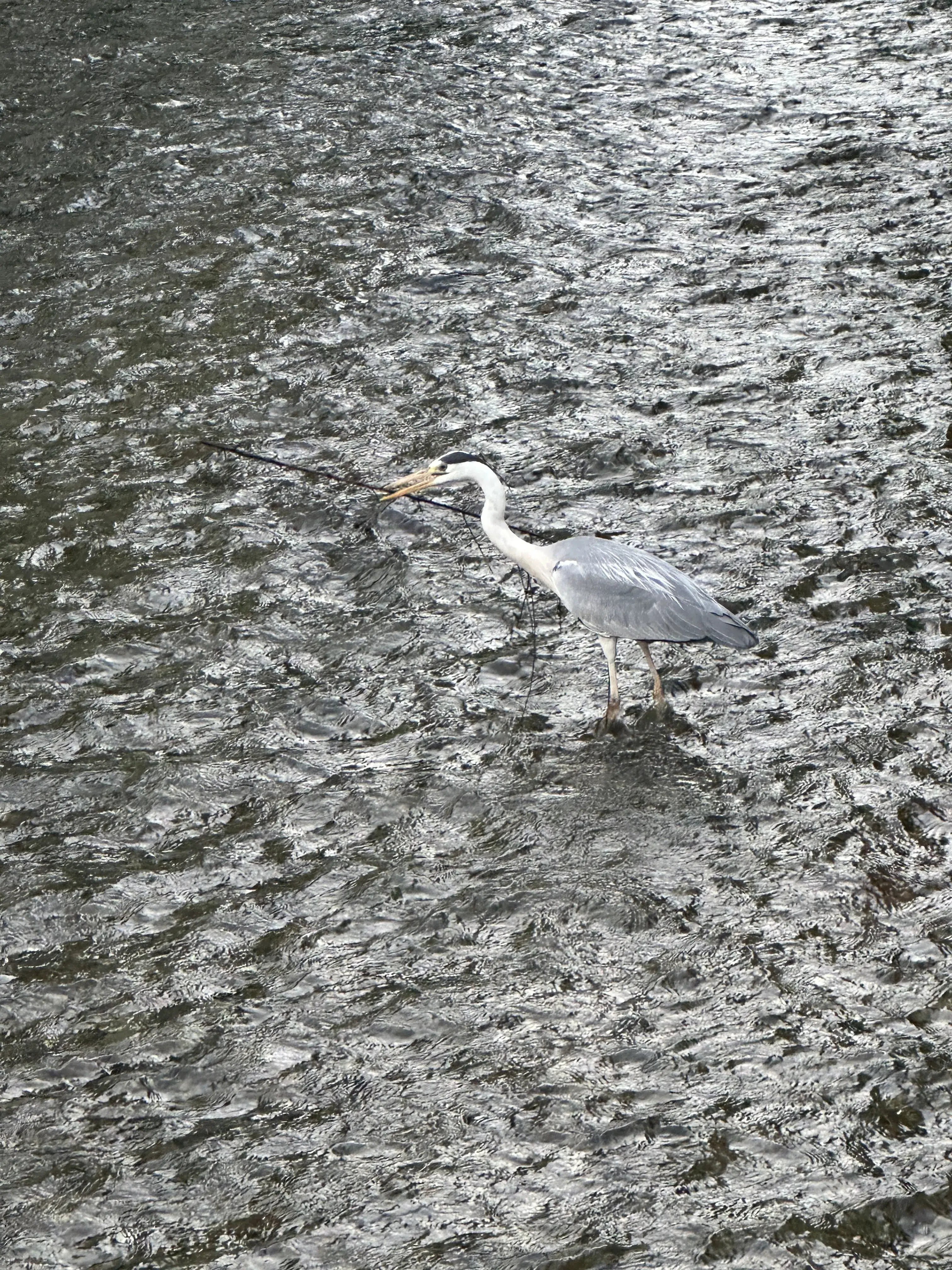
We were lucky to see a heron on our first day!
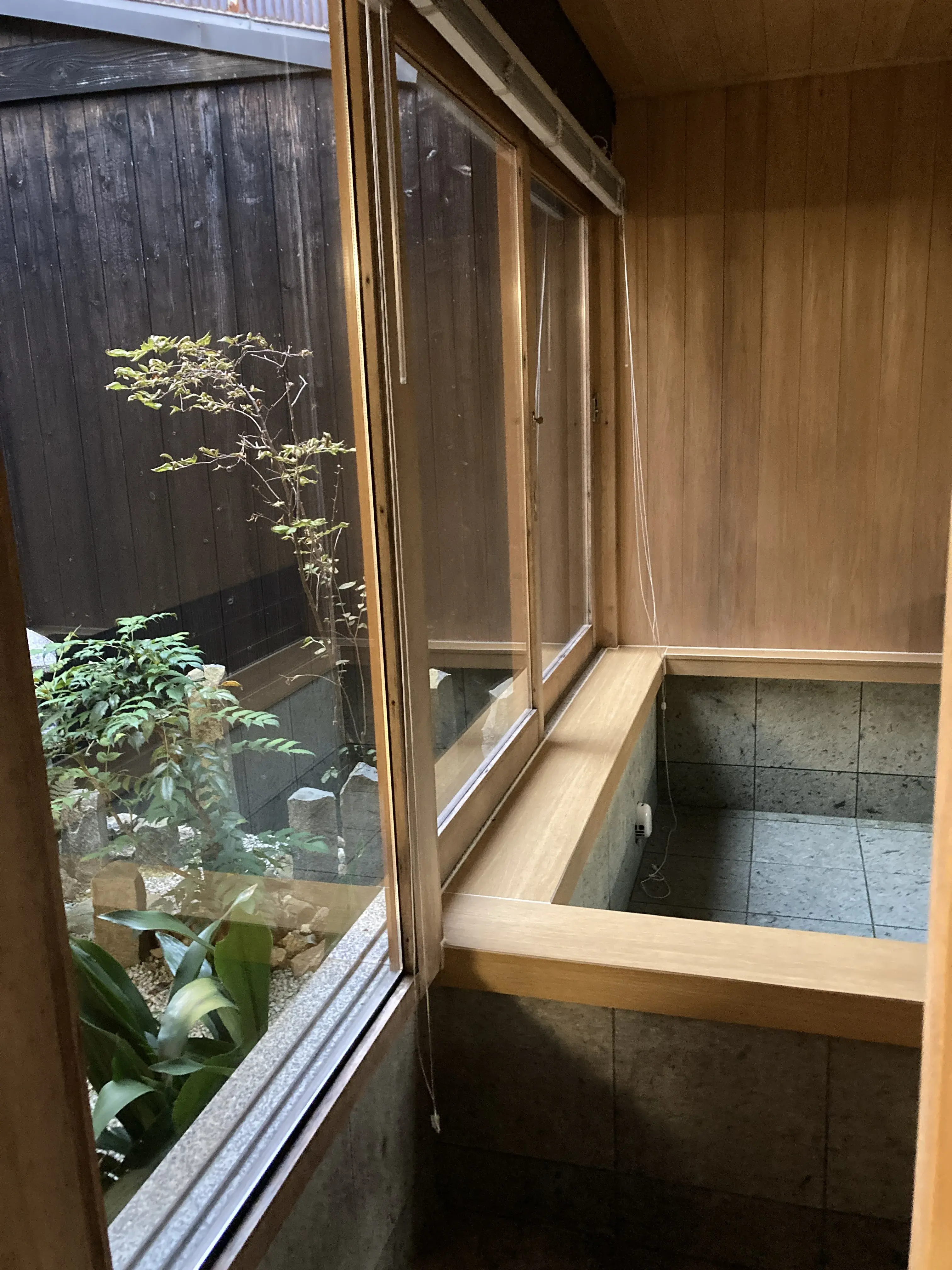
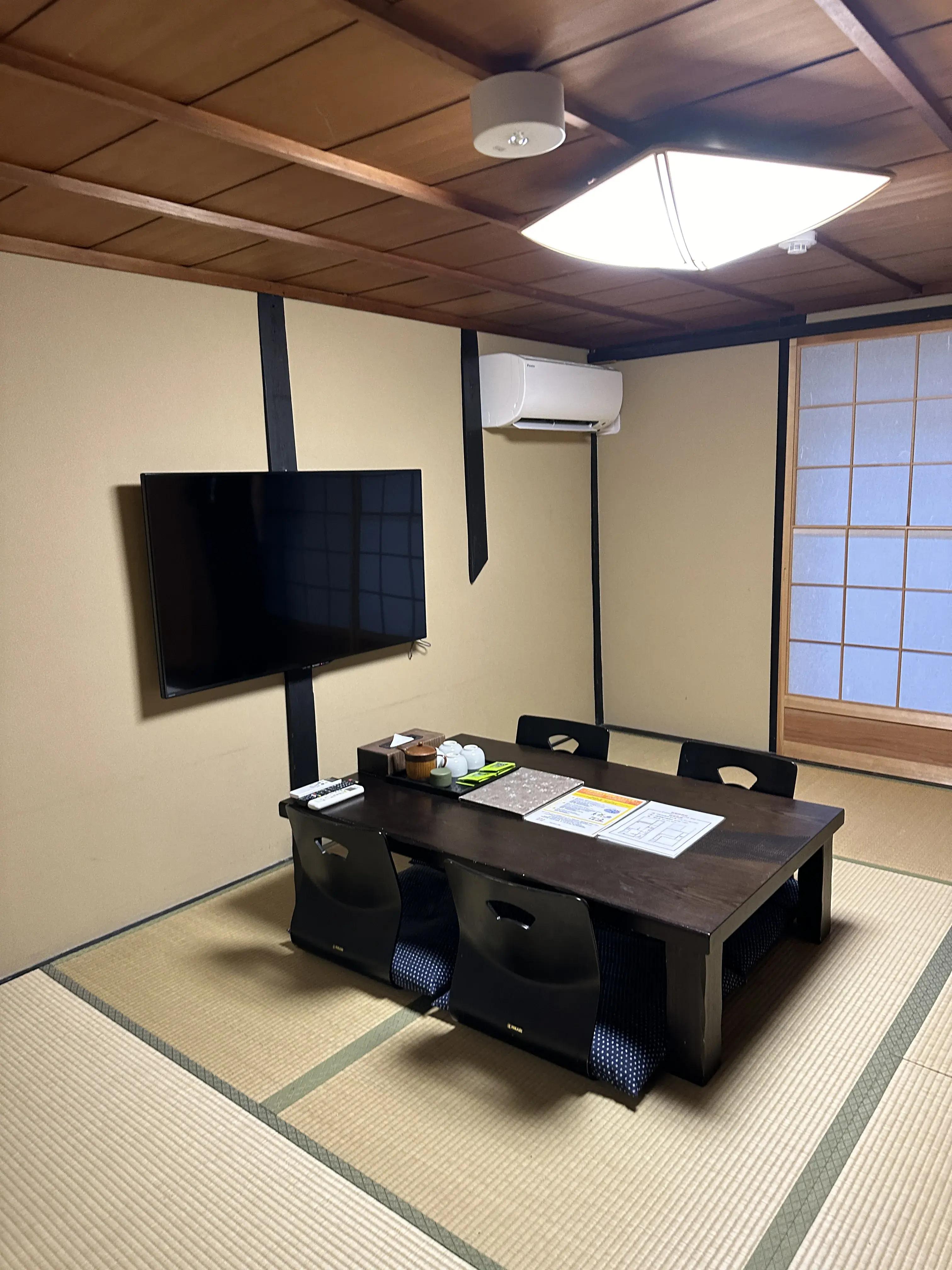
Our machiya in the Gion district
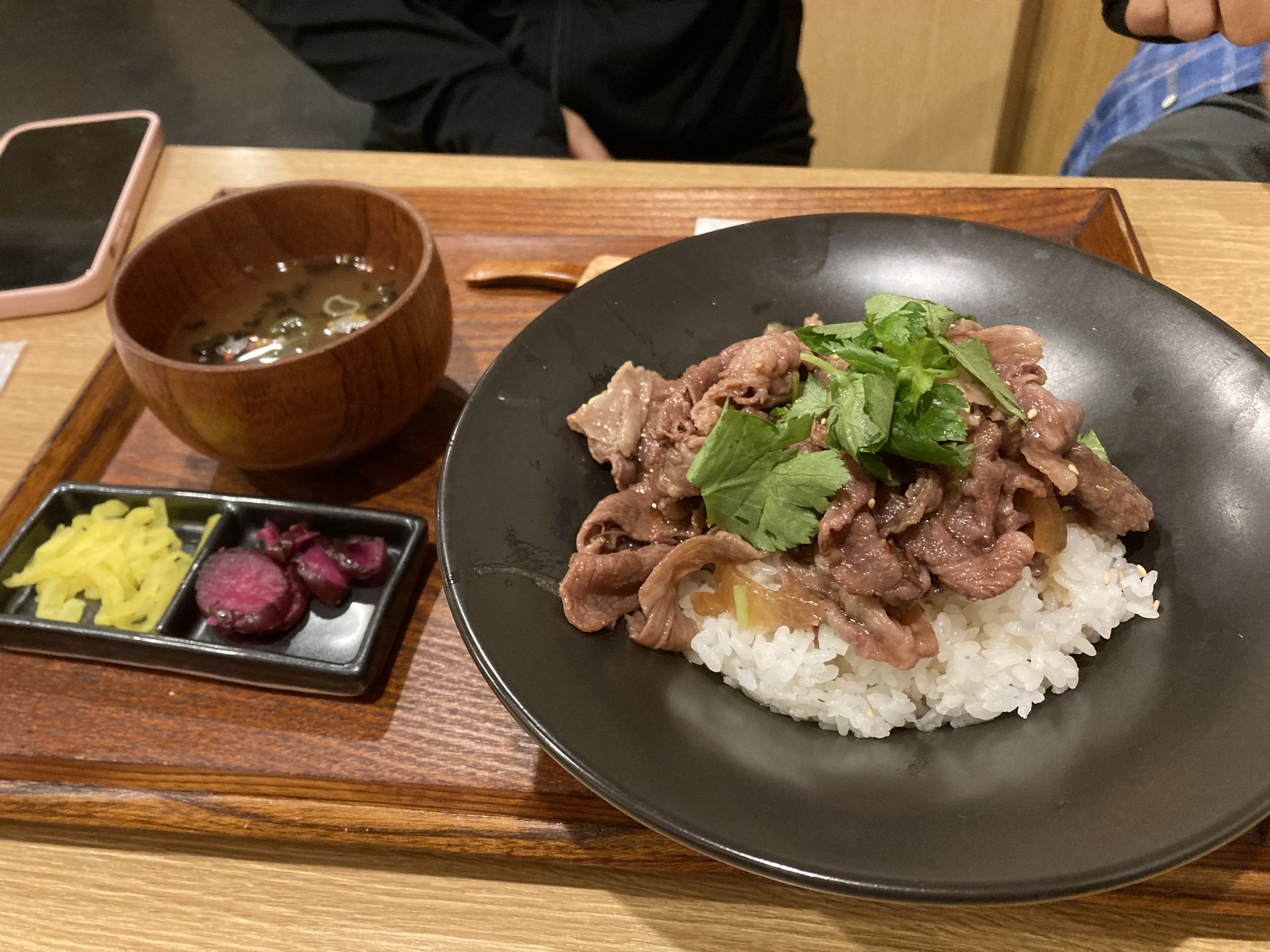
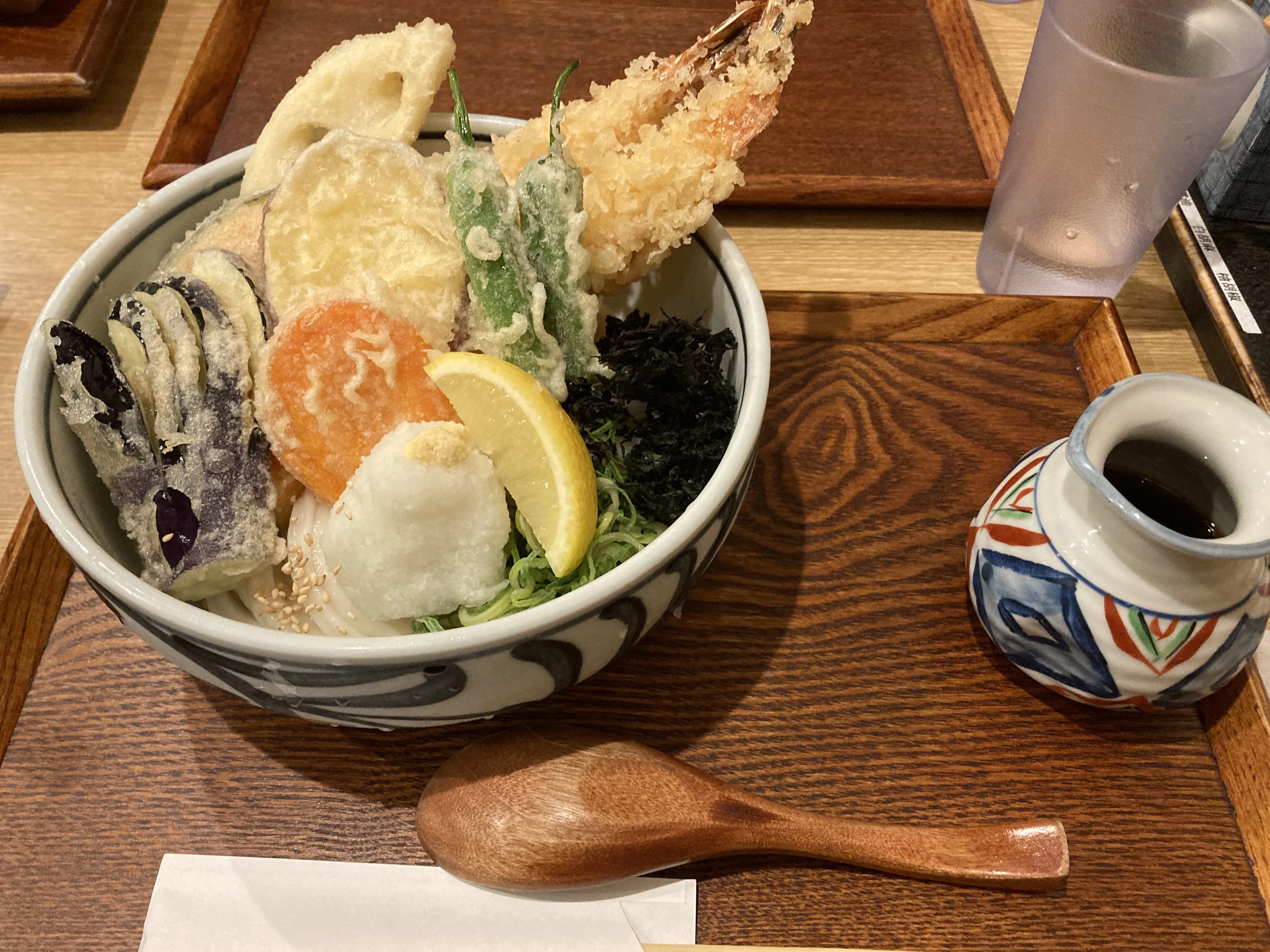
We were hungry, walking around in the dark, and went to the first restaurant with a door that was open and thus not as intimidating. The food was good!
Day 2: Nanzenji (南禅寺), Ginkakuji (银阁寺), Kinkakuji (金阁寺), Kyoto Imperial Palace, Nishiki Market
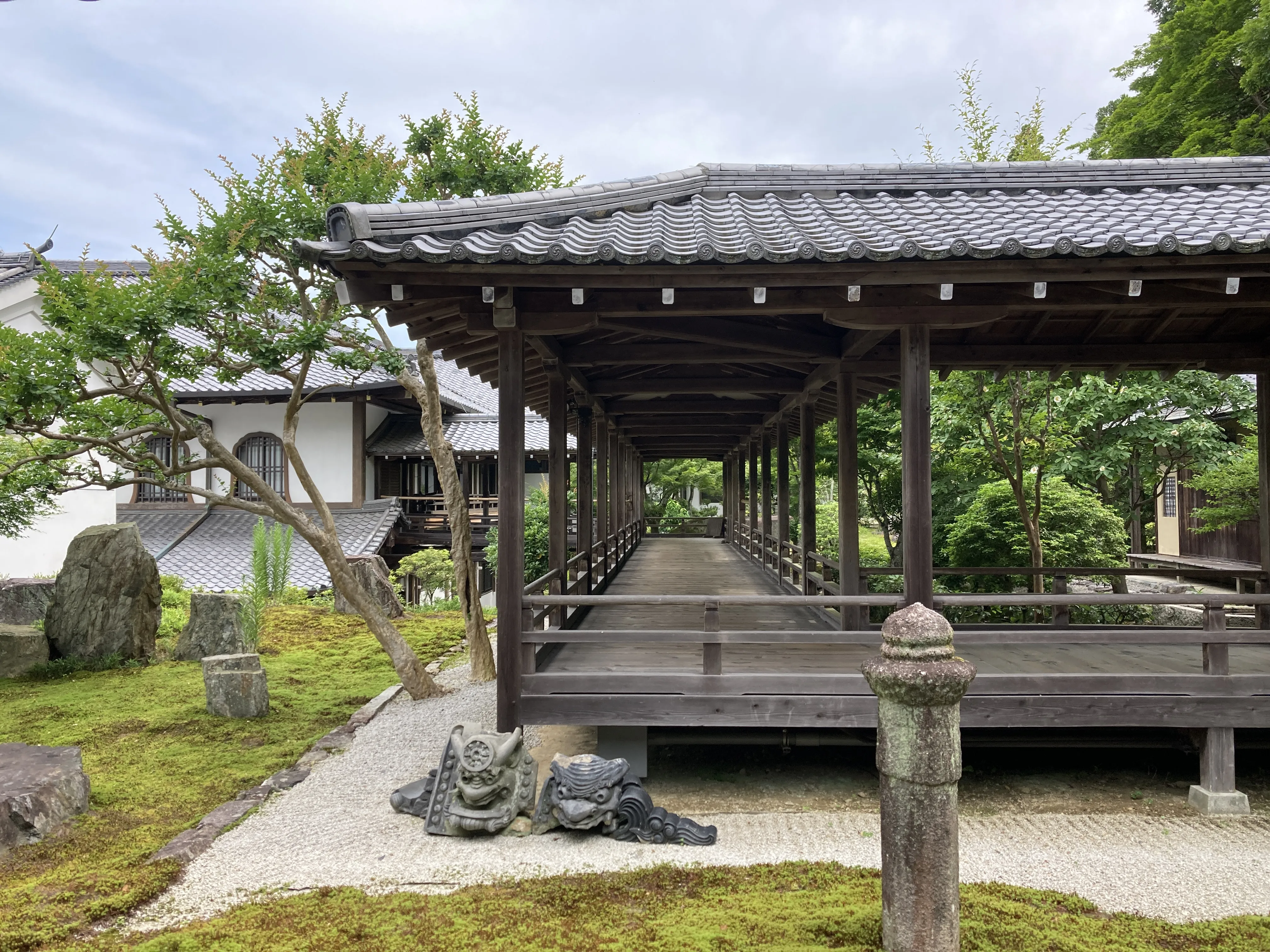
We arrived at Nanzenji right as it was opening, and the space was especially beautiful in the quiet and empty morning.
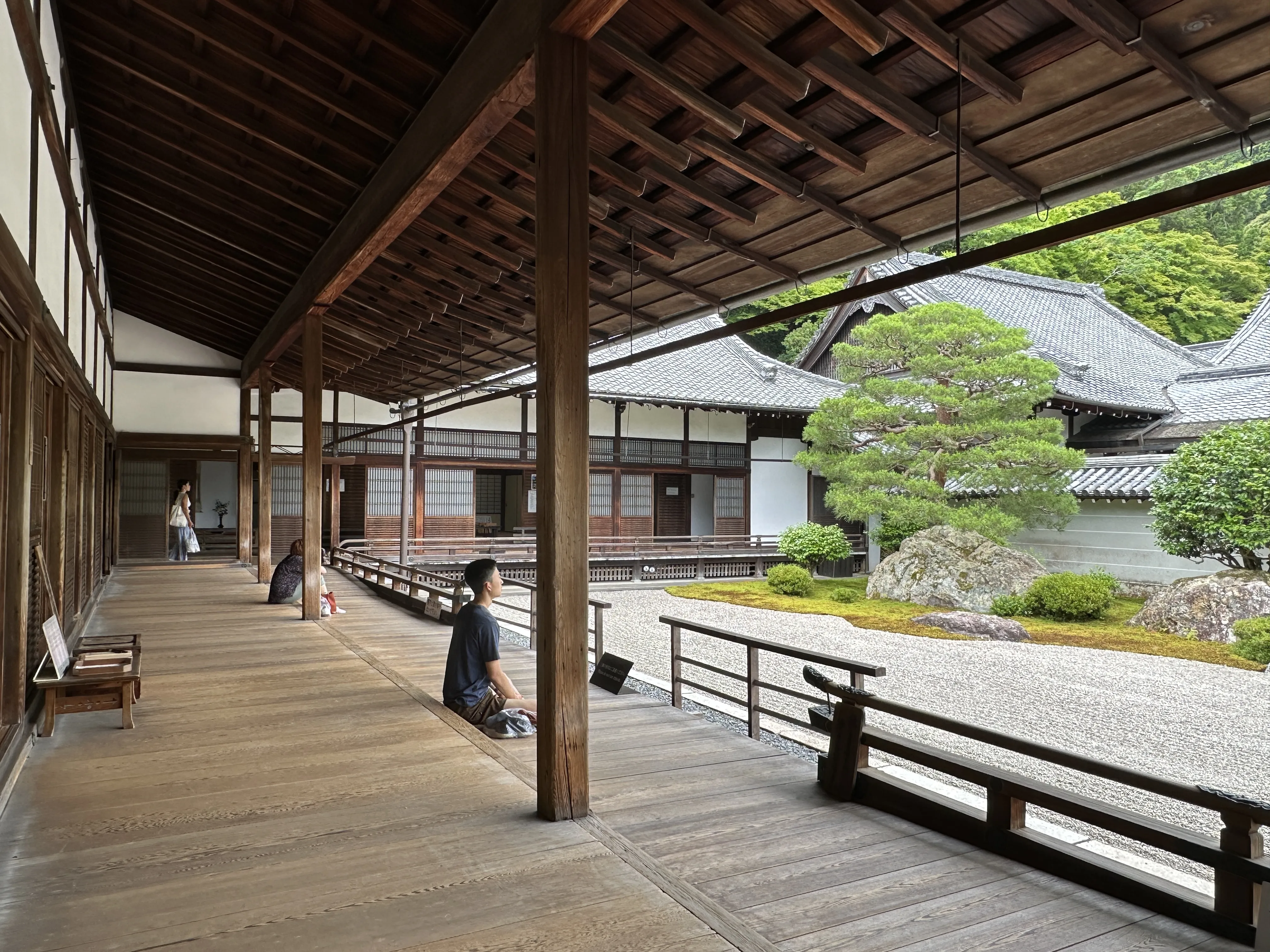
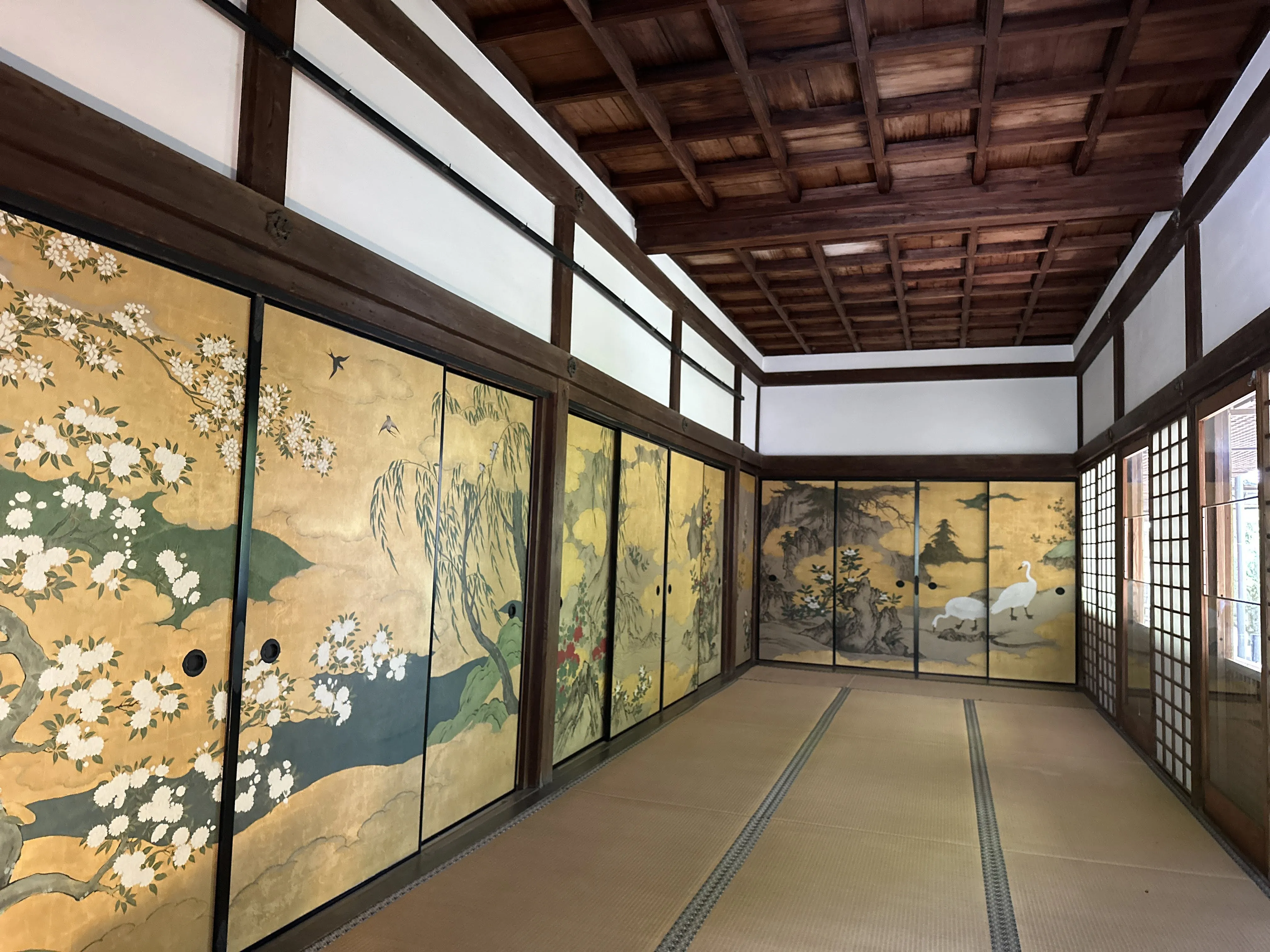
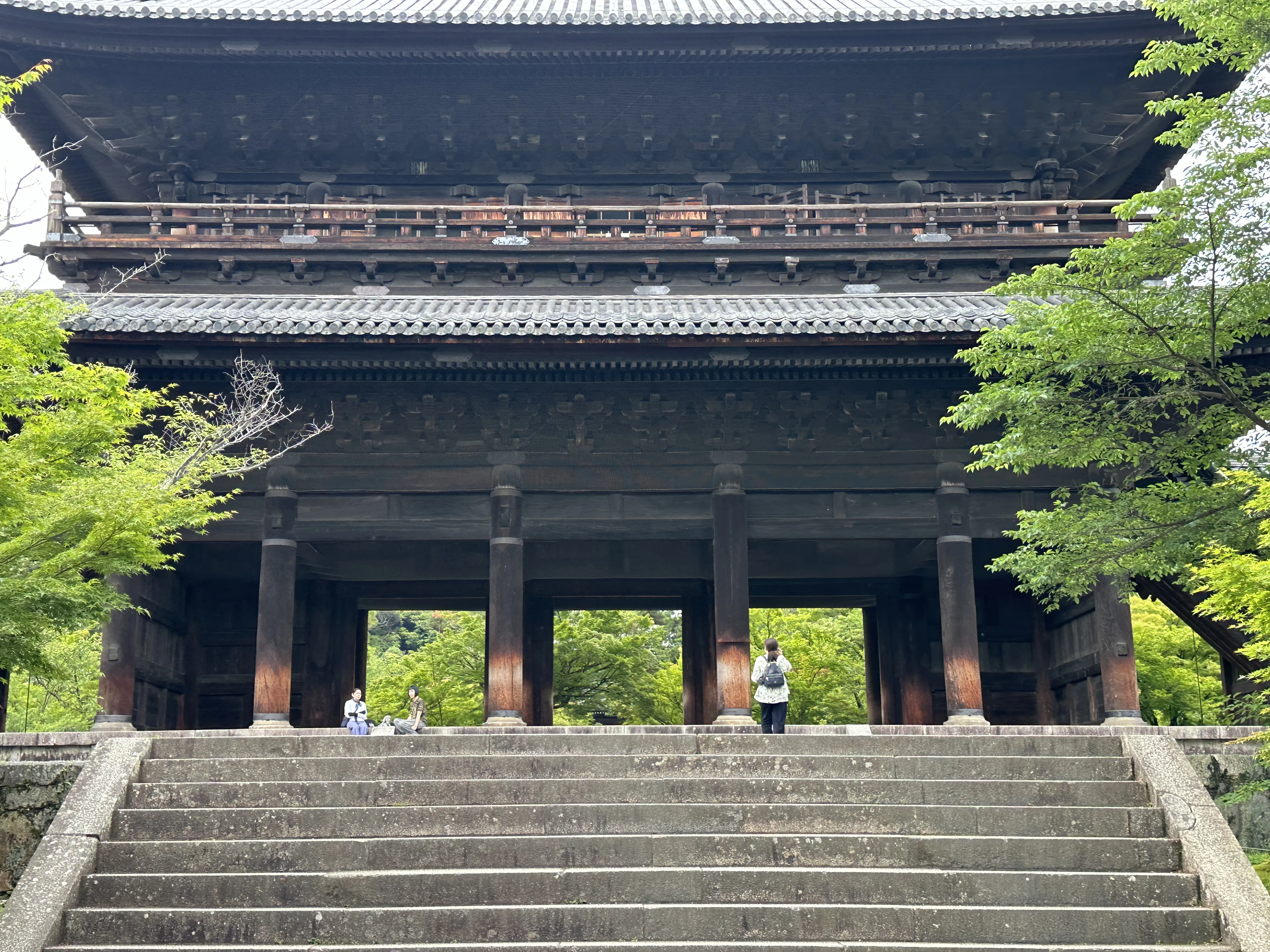
My parents told me about the 南禅寺 in some small village at the foot of 五台山 in Shanxi, which is the oldest surviving Tang-era wooden structure in China. When they were young, they went looking for it based on its location as described in written records, and asked around before one villager knew of it and brought them there. They got to see the temple before a raid in 1999 that destroyed many of the Tang statues, and of course before it became more accessible and traveled like now. This is the kind of adventure that I always 向往 the most.
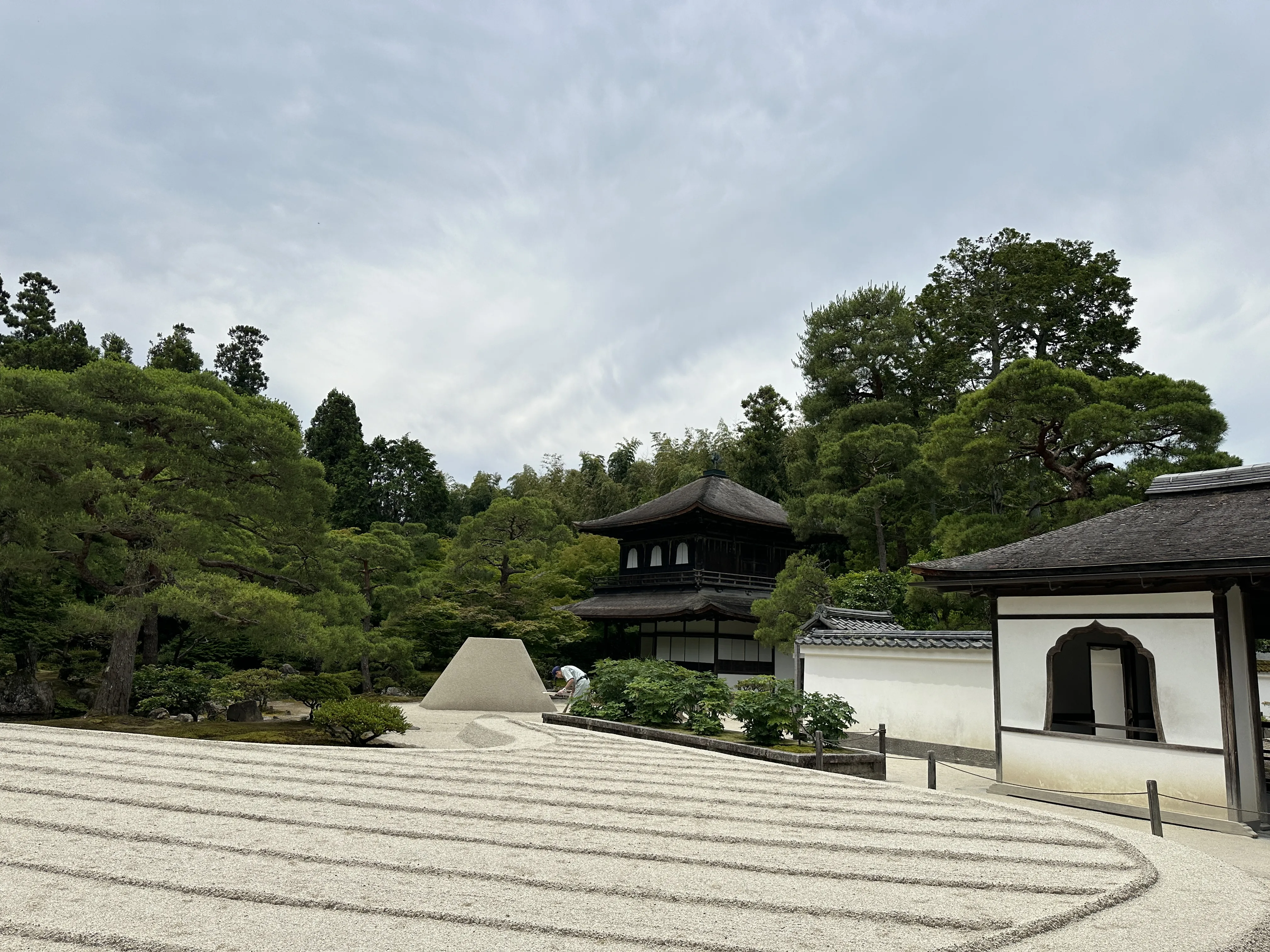
After Nanzenji, we walked down the Philosopher's Path to Ginkakuji. It was a really nice walk alongside a quiet stream, with some side quests to random temples and shrines along the way.
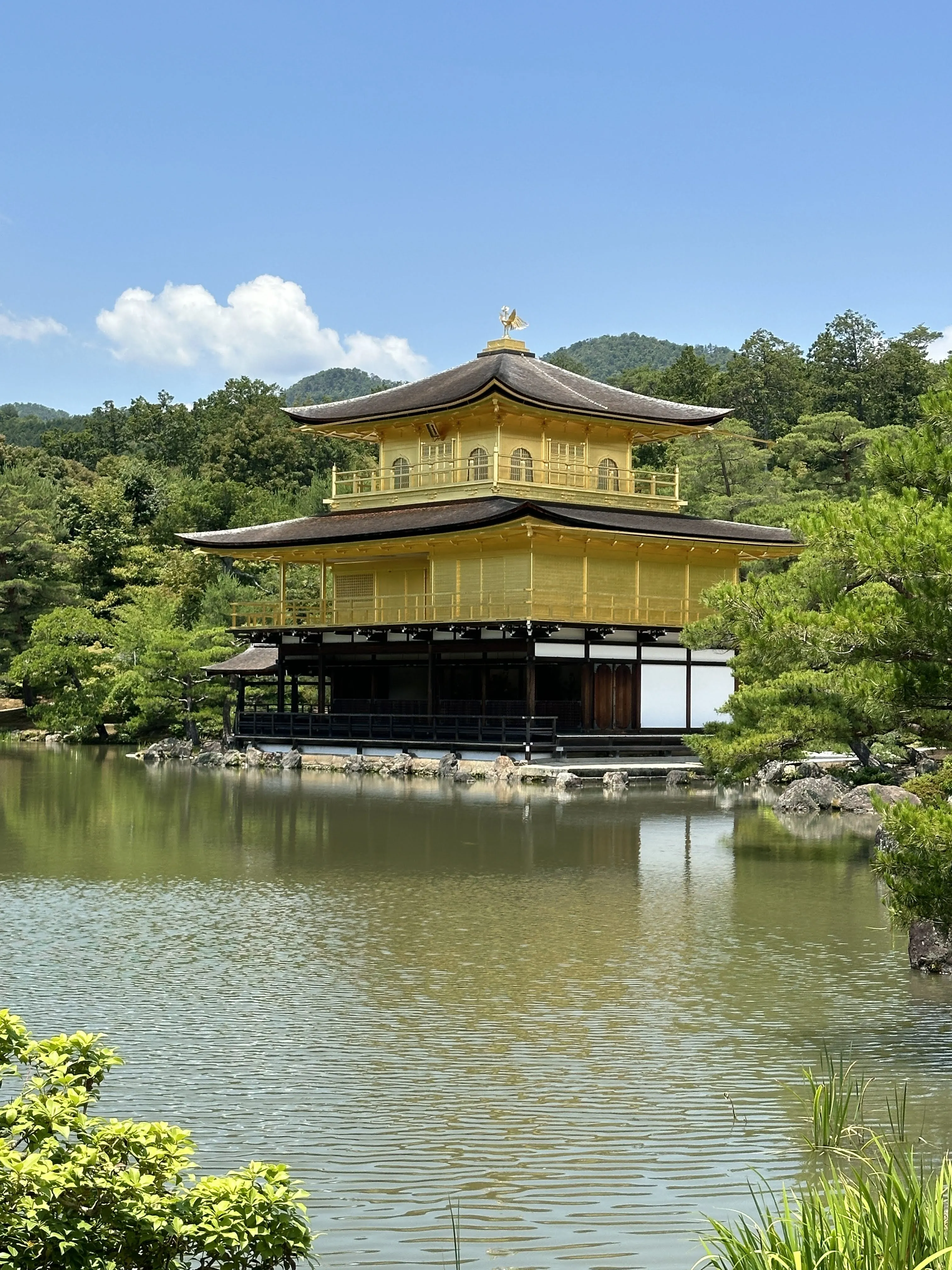
Kinkakuji, which is much more golden than Ginkakuji was silver
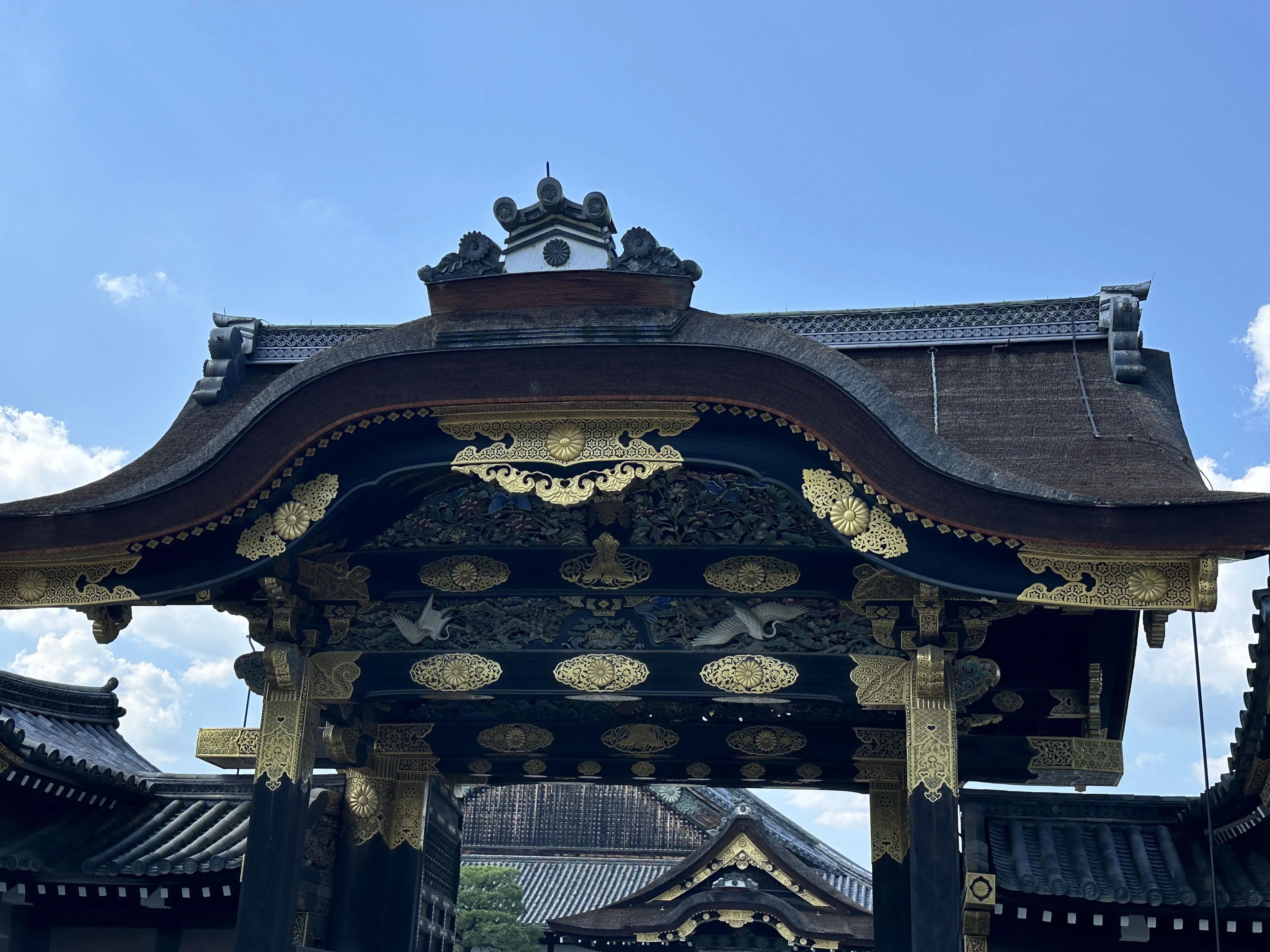
Kyoto Imperial Palace, the residence of the emperor from 1337 until the Meiji Restoration in 1869. The guide told us some fun facts, e.g. how the pebbles serve the function of making noise in case of intruders on the grounds.
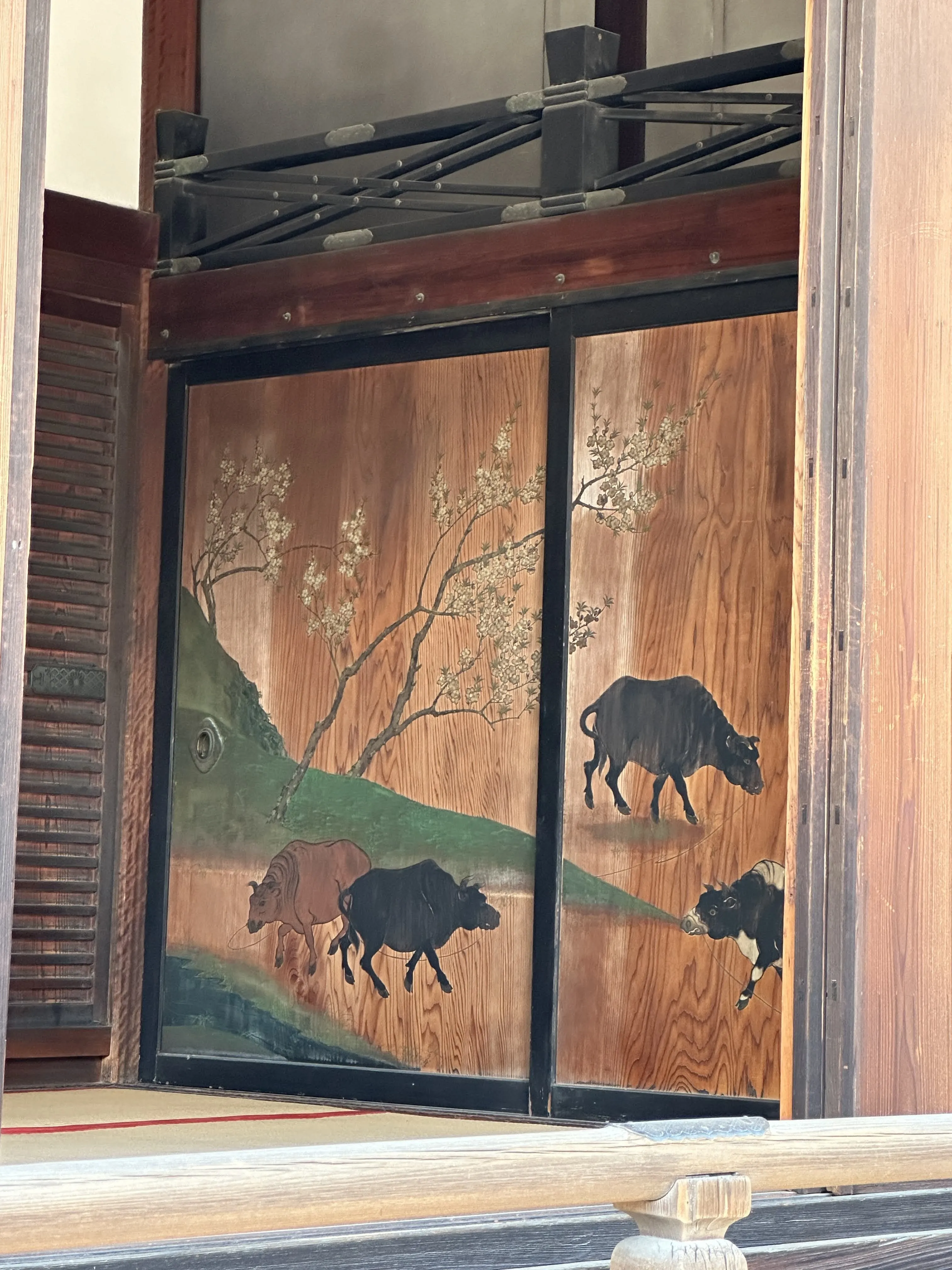
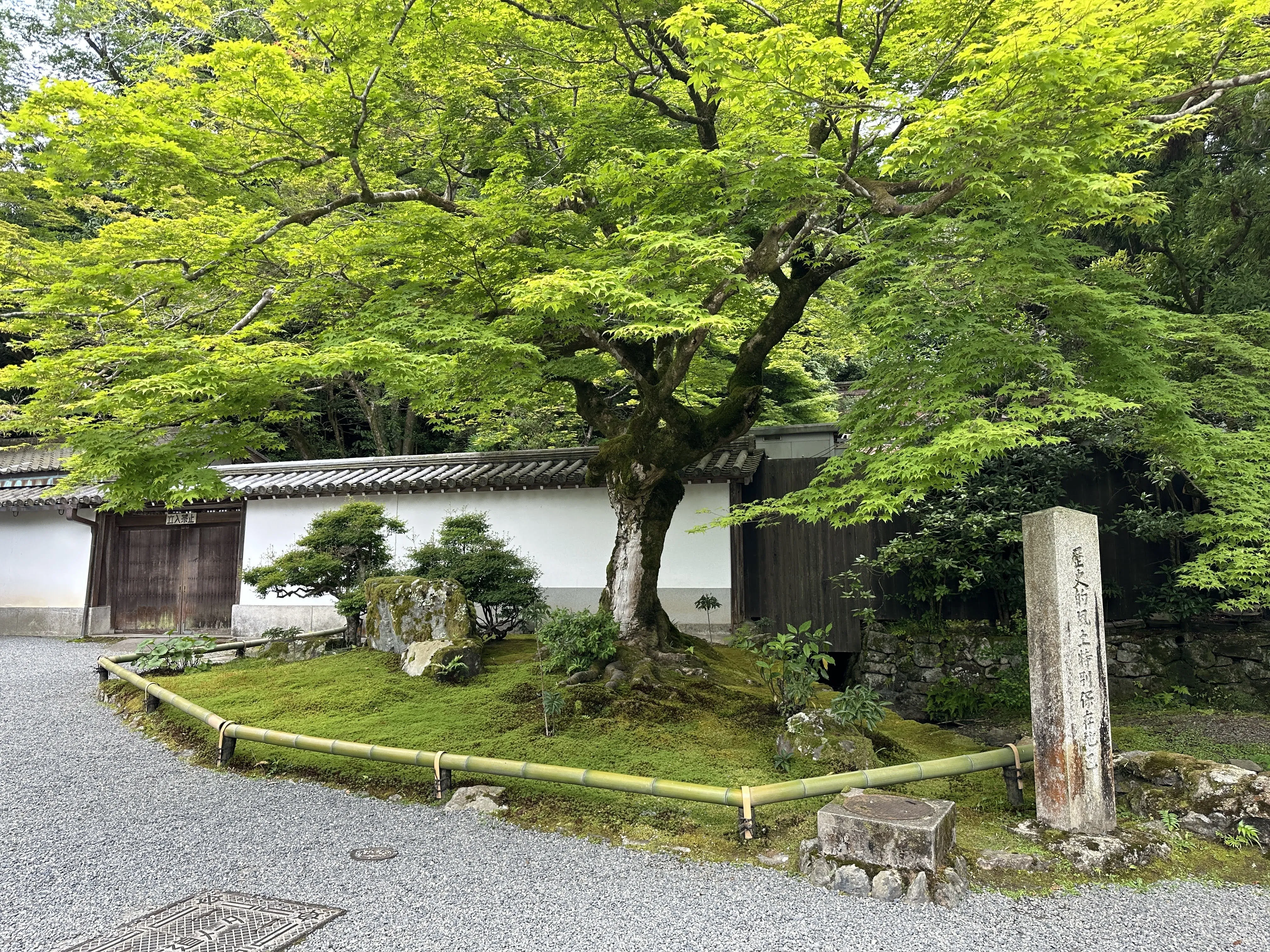
The palace was just a small part of a very large garden.
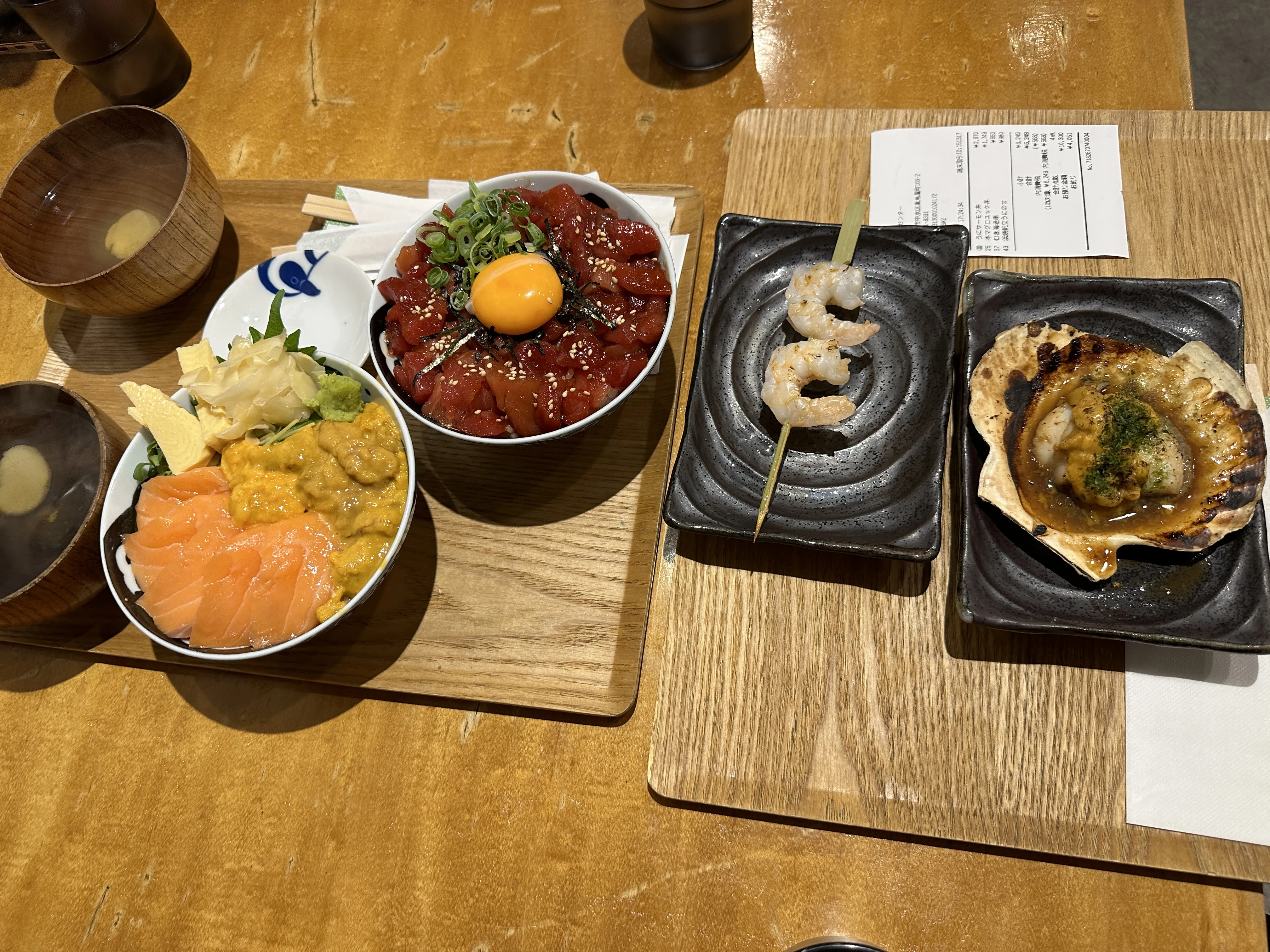
After the palace, it was past midday and we had walked around 30,000 steps in the sun, so after a quick conveyer belt lunch, we were ready to retire. We spent the afternoon at home then had a quick dinner at Nishiki Market, where I got tourist-trapped into some mediocre seafood.
Day 3: Kiyomizudera (清水寺), Nijo Castle, Tofukuji (东大寺), Uji, Fushimi Inari Shrine
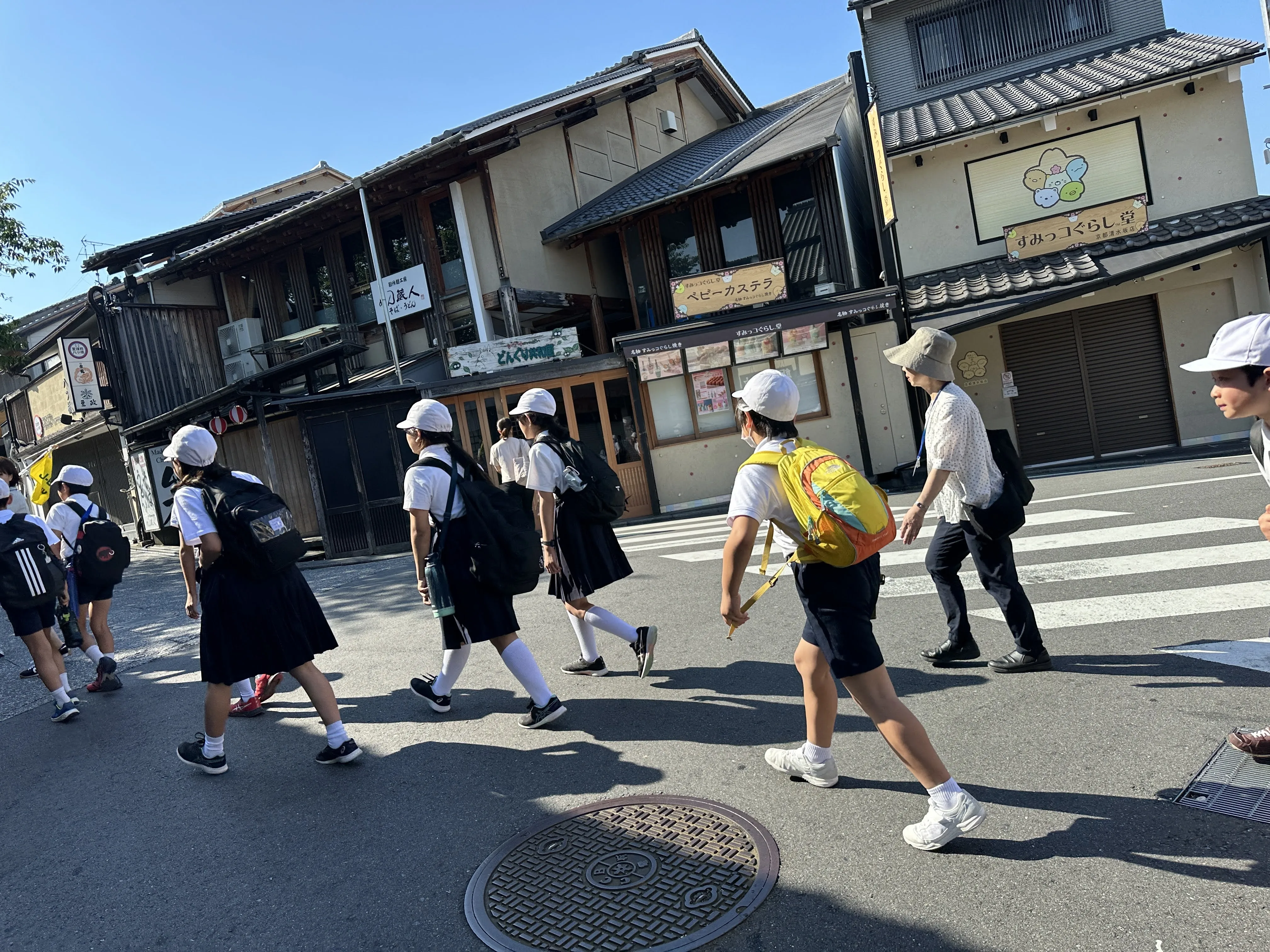
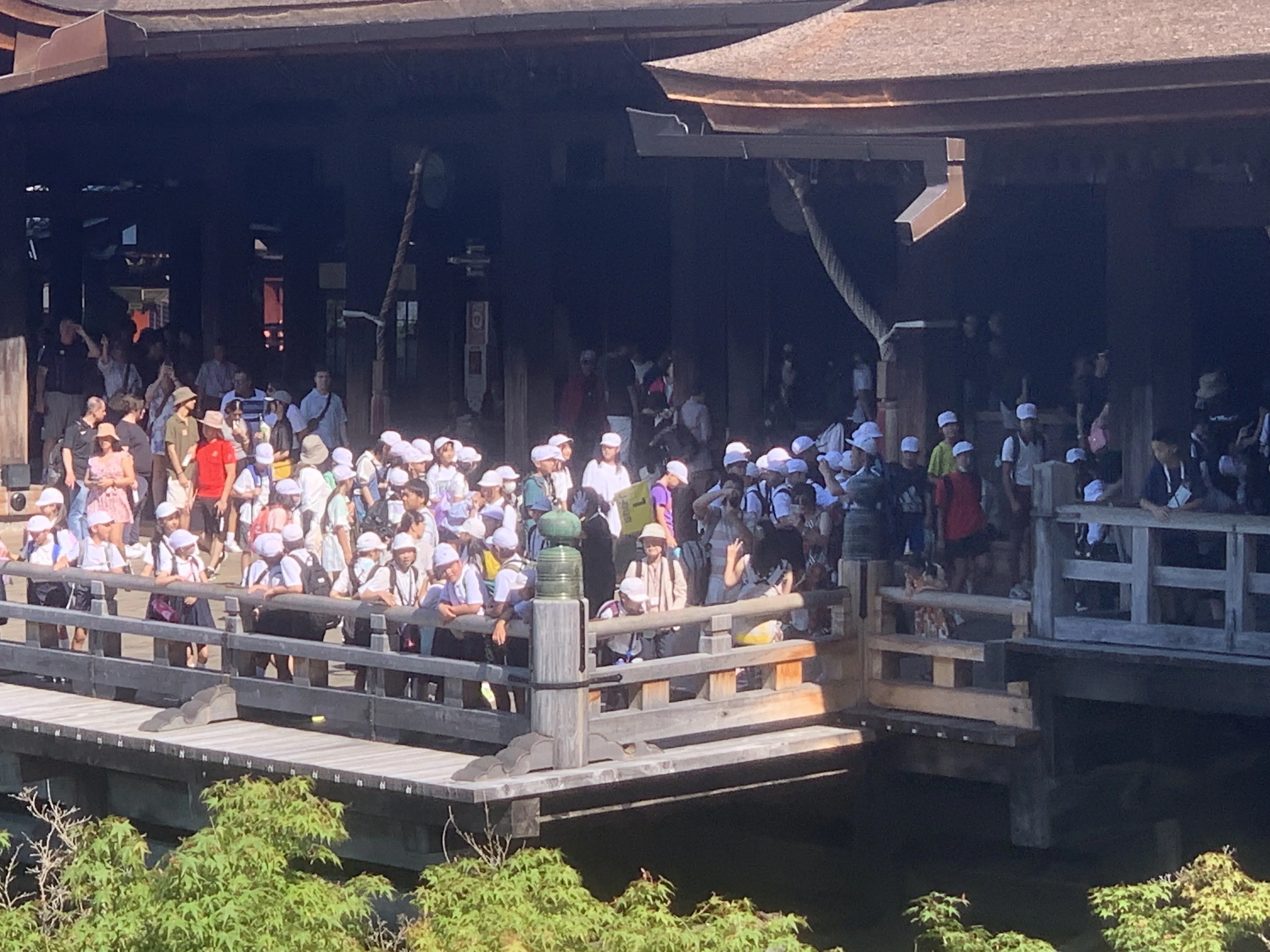
Many groups of Japanese school children on the long walk up the mountain to Kiyomizudera
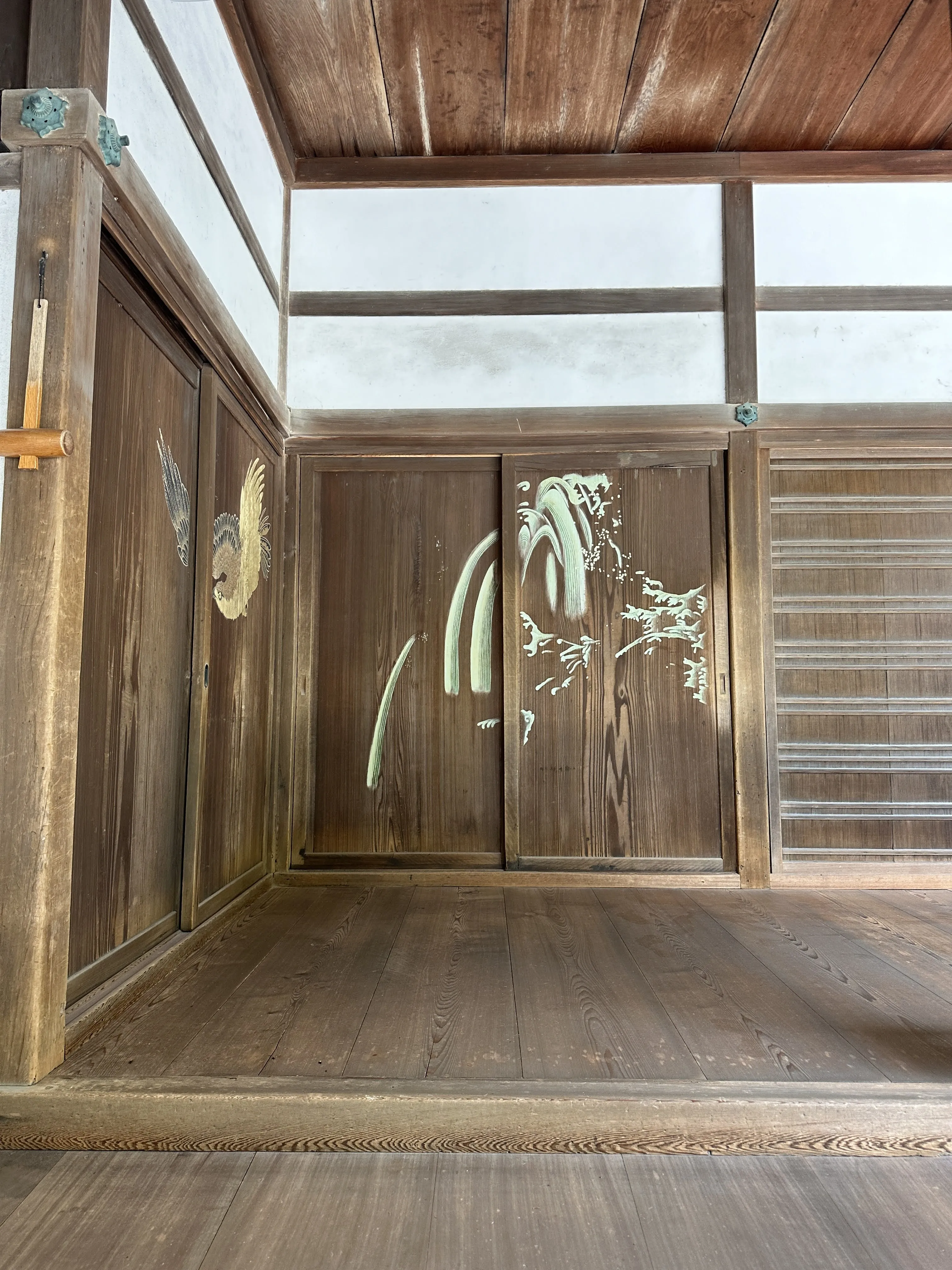
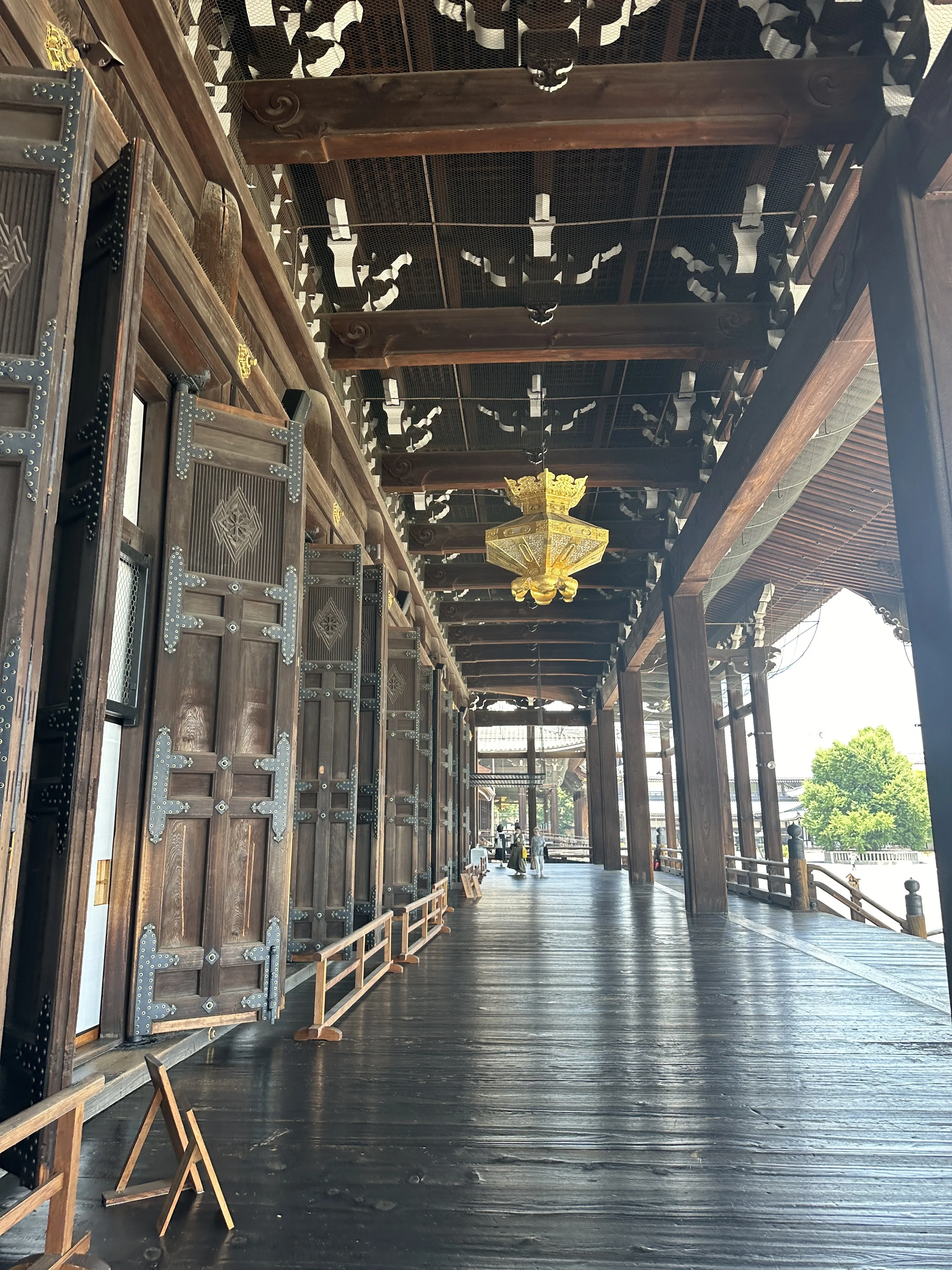
Nijo Castle and its nightingale hallway floors, which are also rumored to serve the purpose of detecting intruders
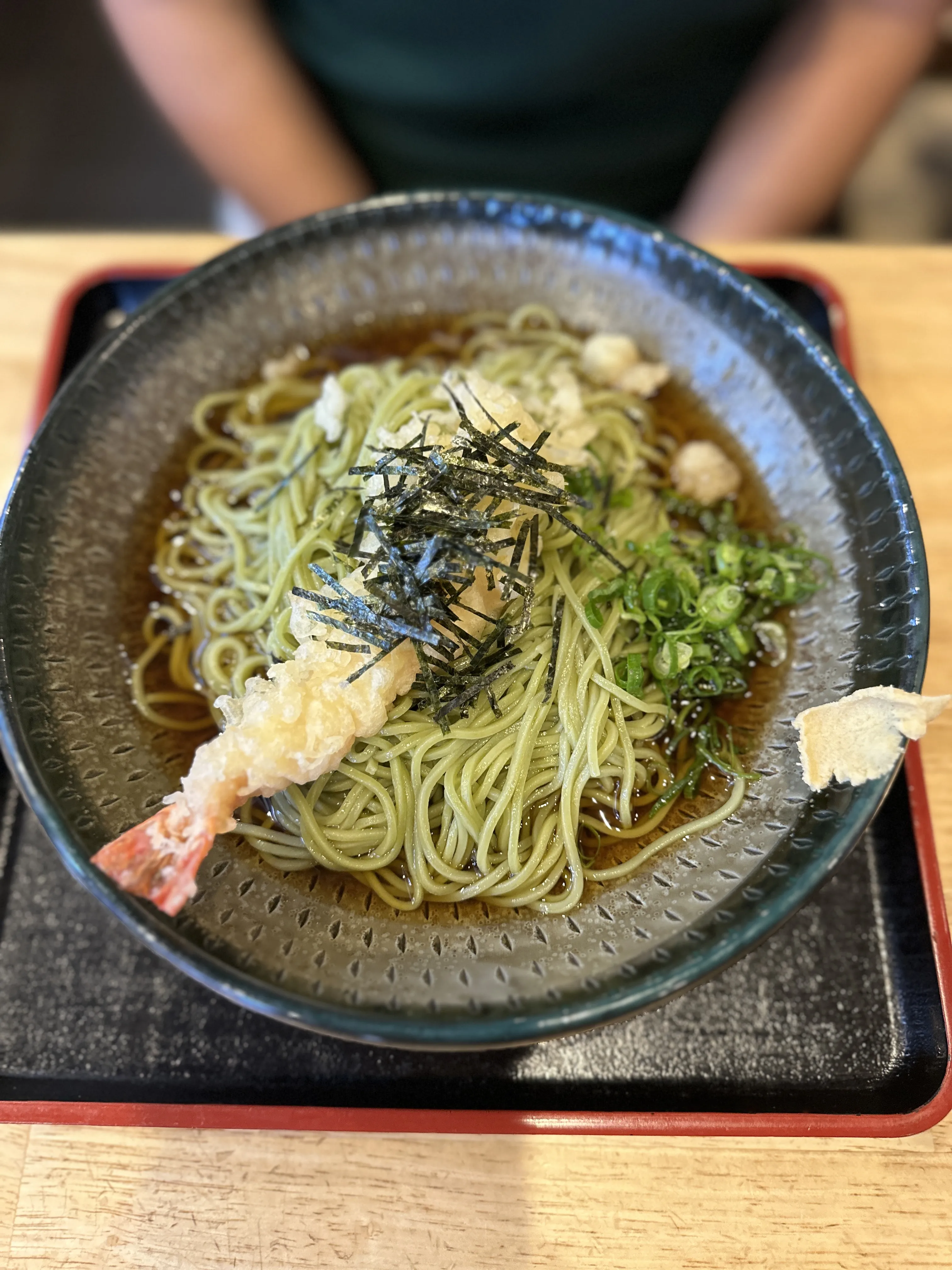
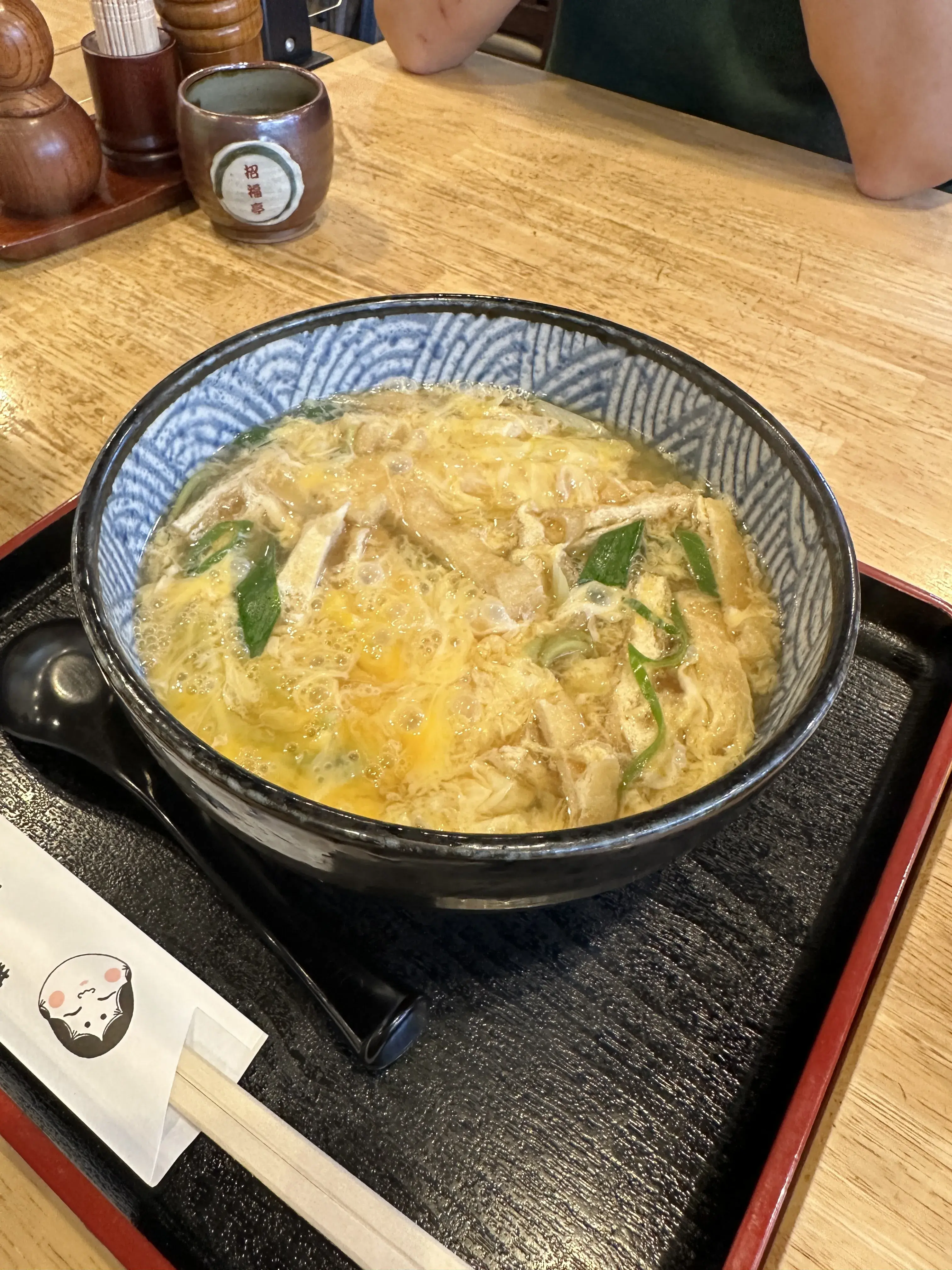
My favorite soba this trip! Some restaurant in the neighborhood between Tofukuji and Kyoto Station
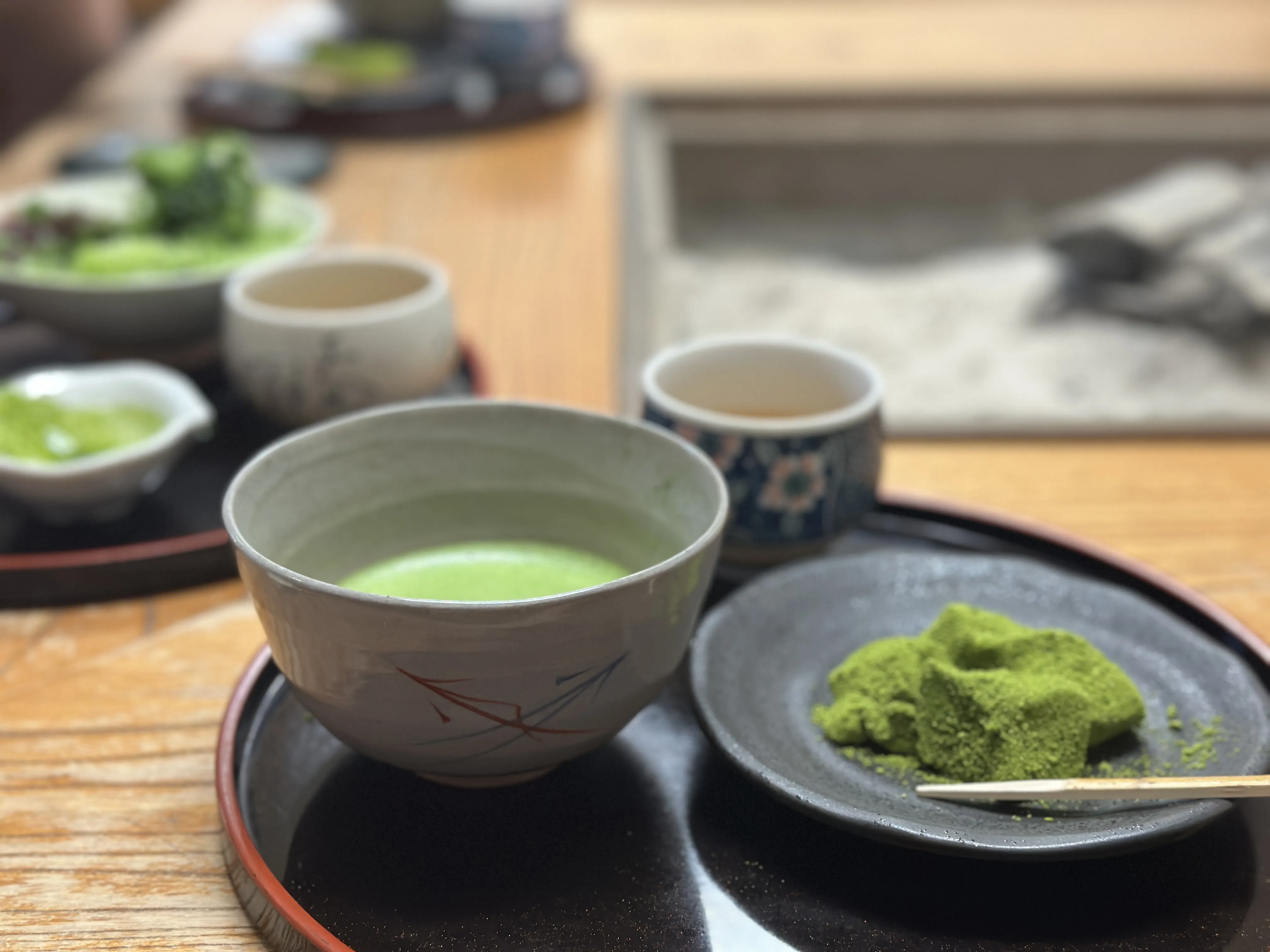
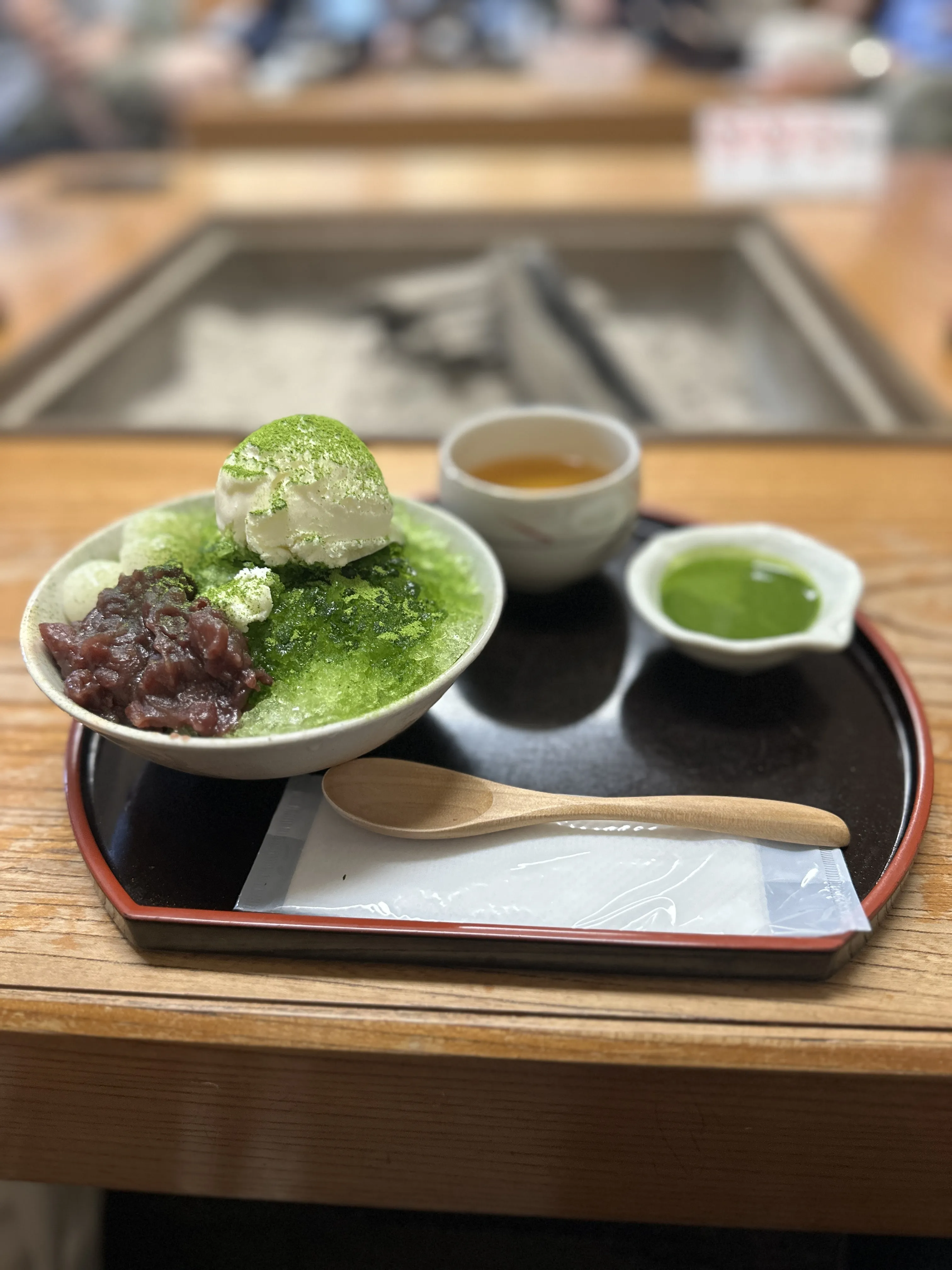
Matcha at Uji!
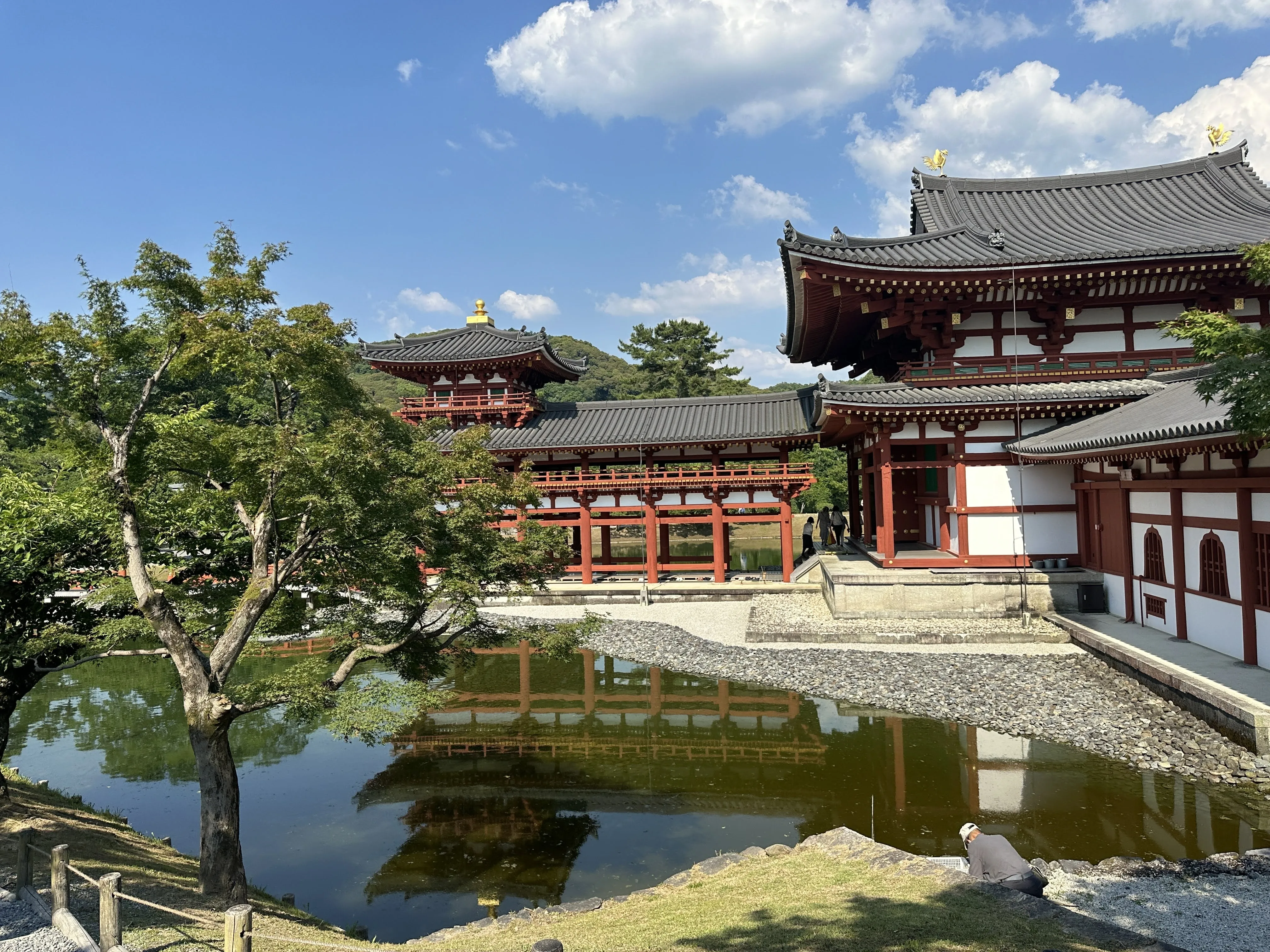
Byodo-in Temple in Uji
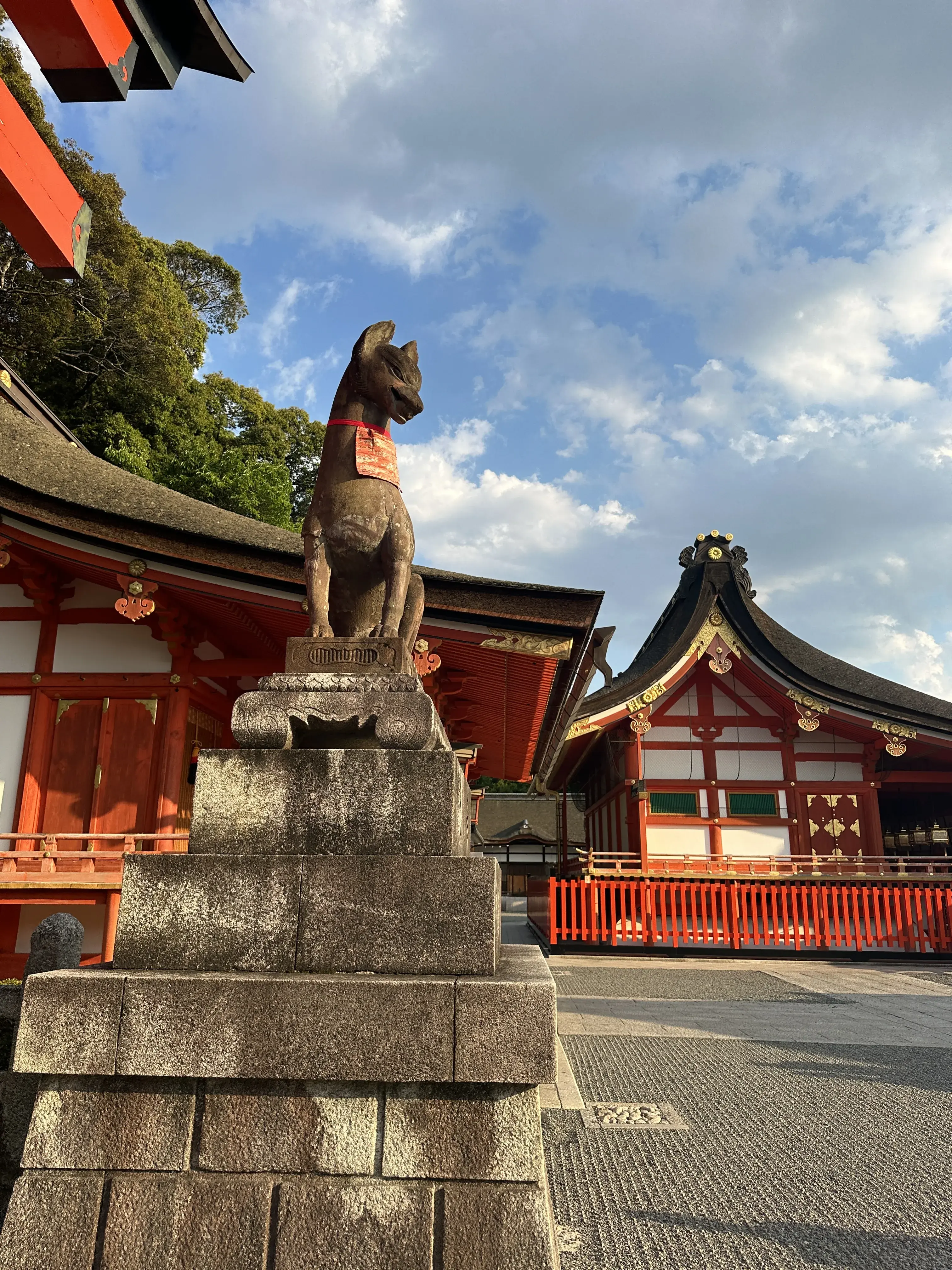
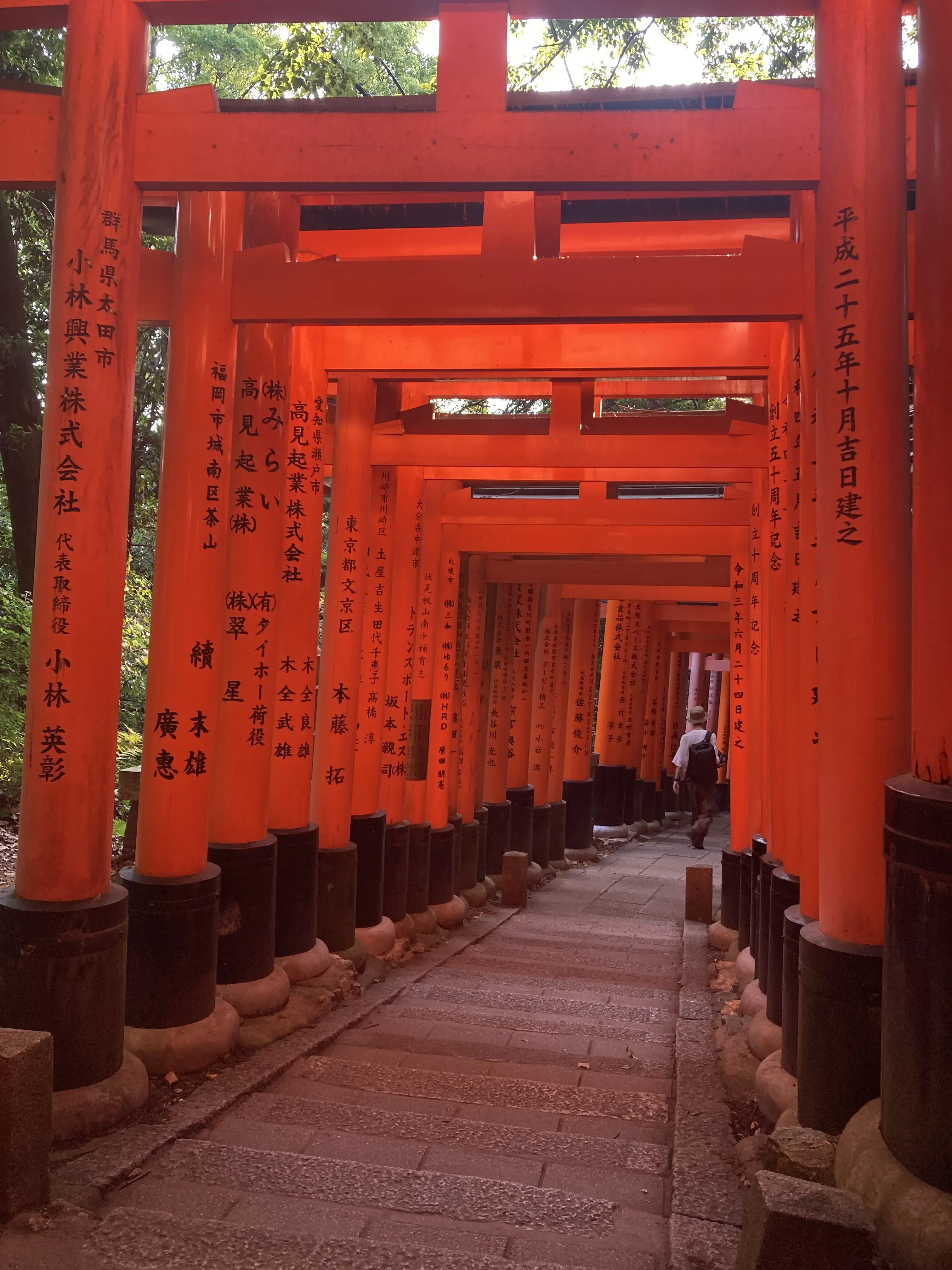
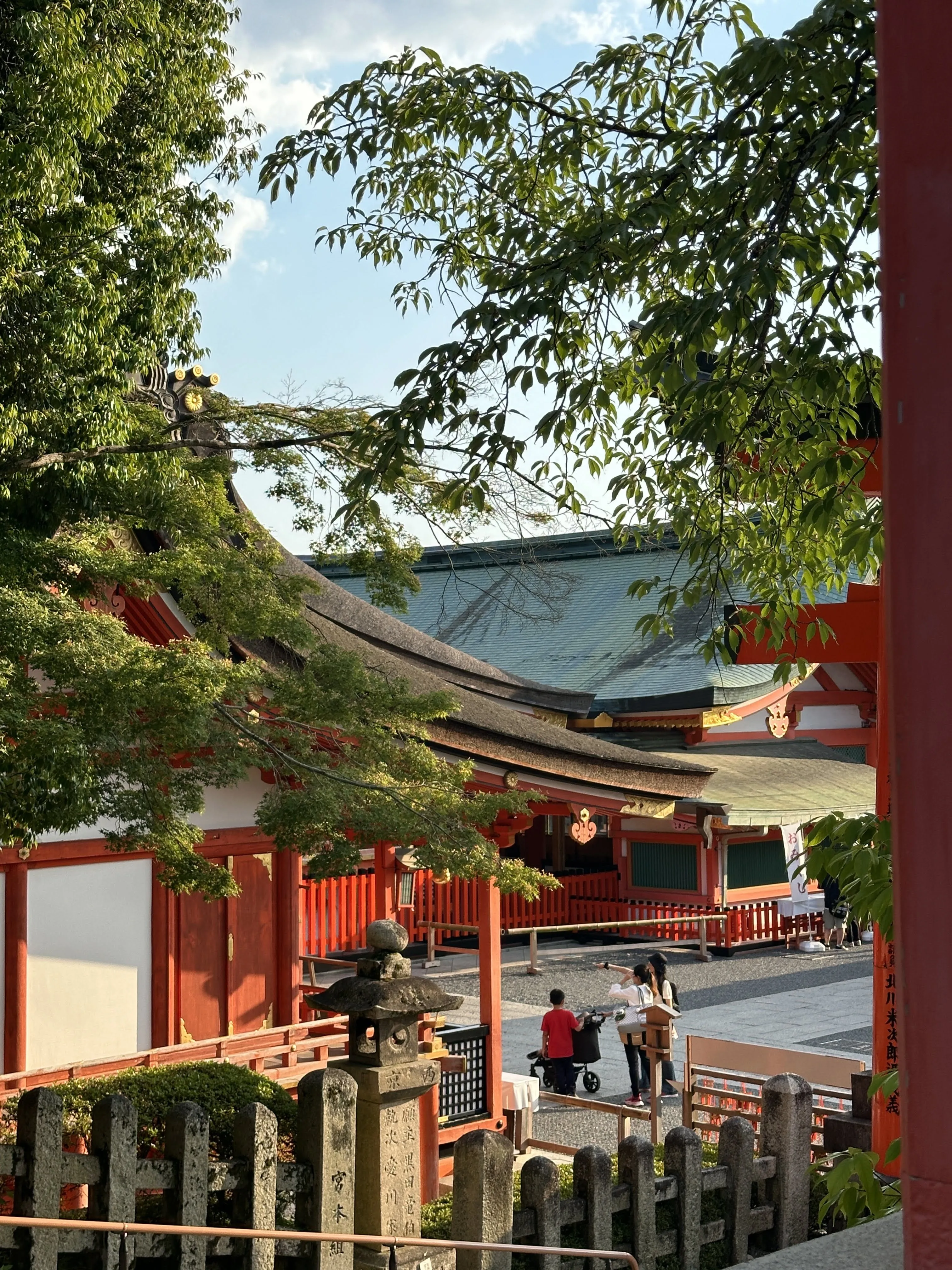
Fushimi Inari Shrine. Leo and I walked/ran all the way to the top of the mountain, and once you get past the first few hundered meters of torii gates with all the crowds, it's actually quite a nice and peaceful hike with lots of nice stone kitsune statues.
Day 4: Nara Park, Toshodaiji (唐招提寺)
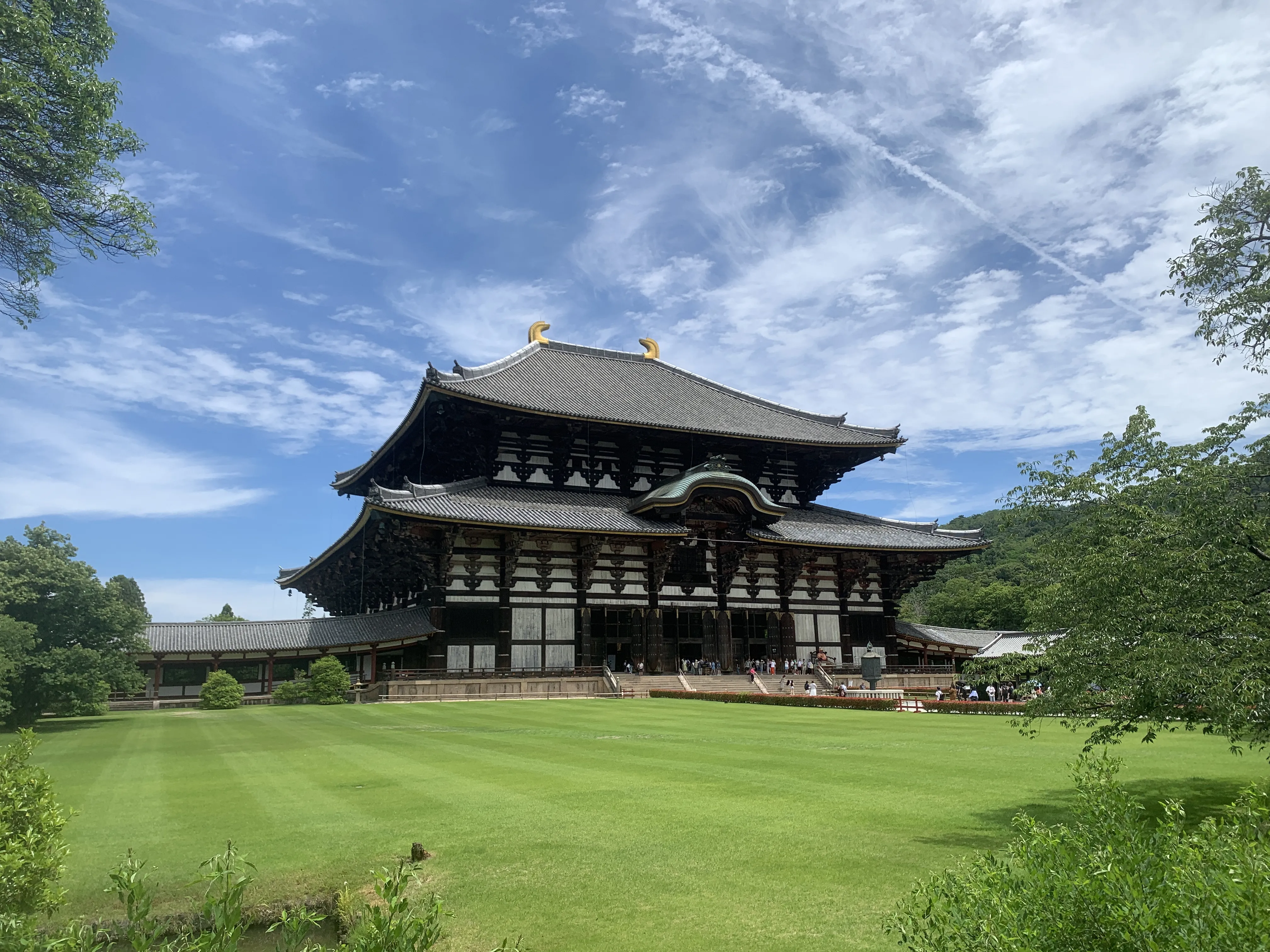
Todaiji Temple
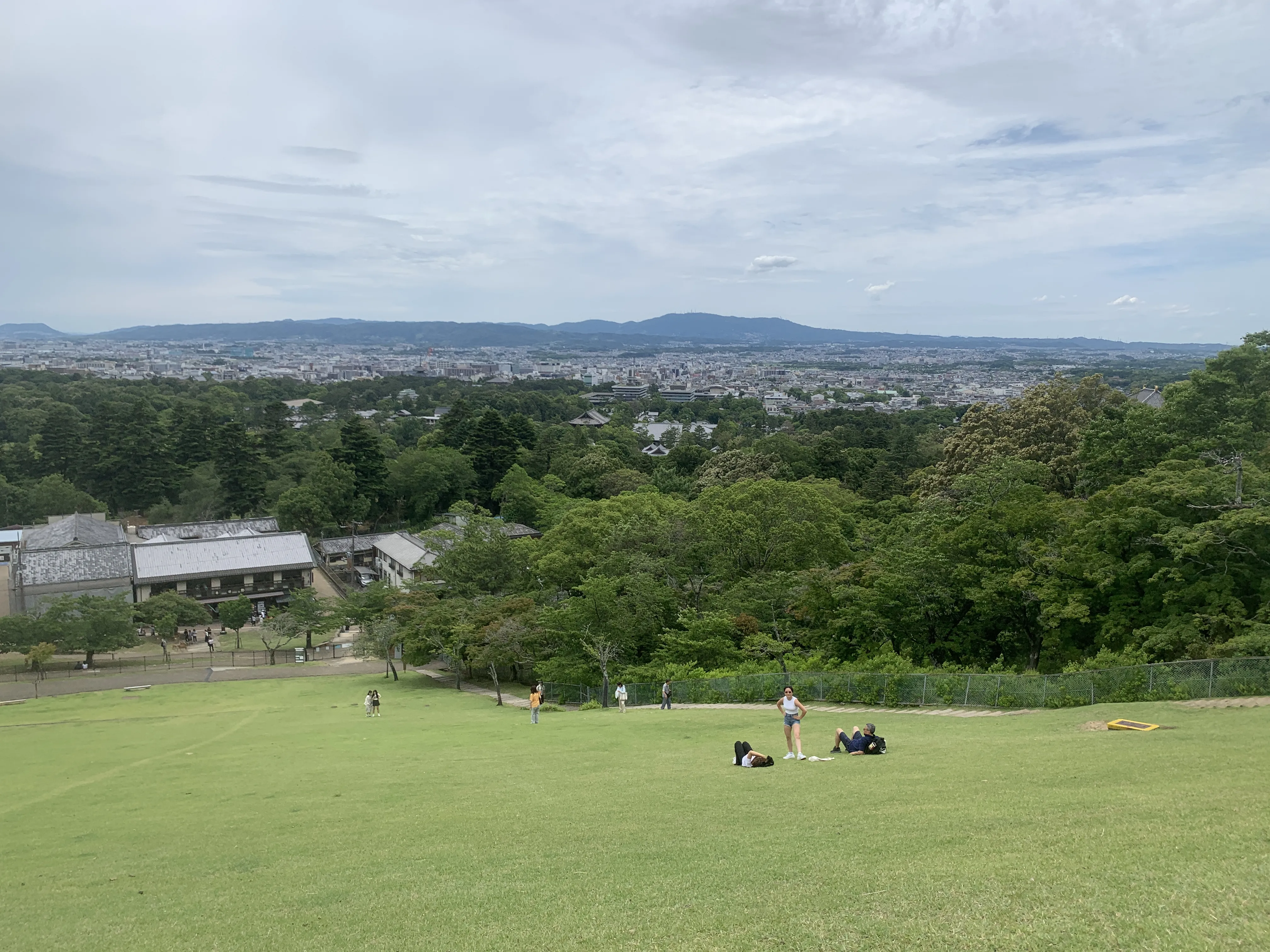
Big grass hill overlooking Nara. Good place for afternoon nap.
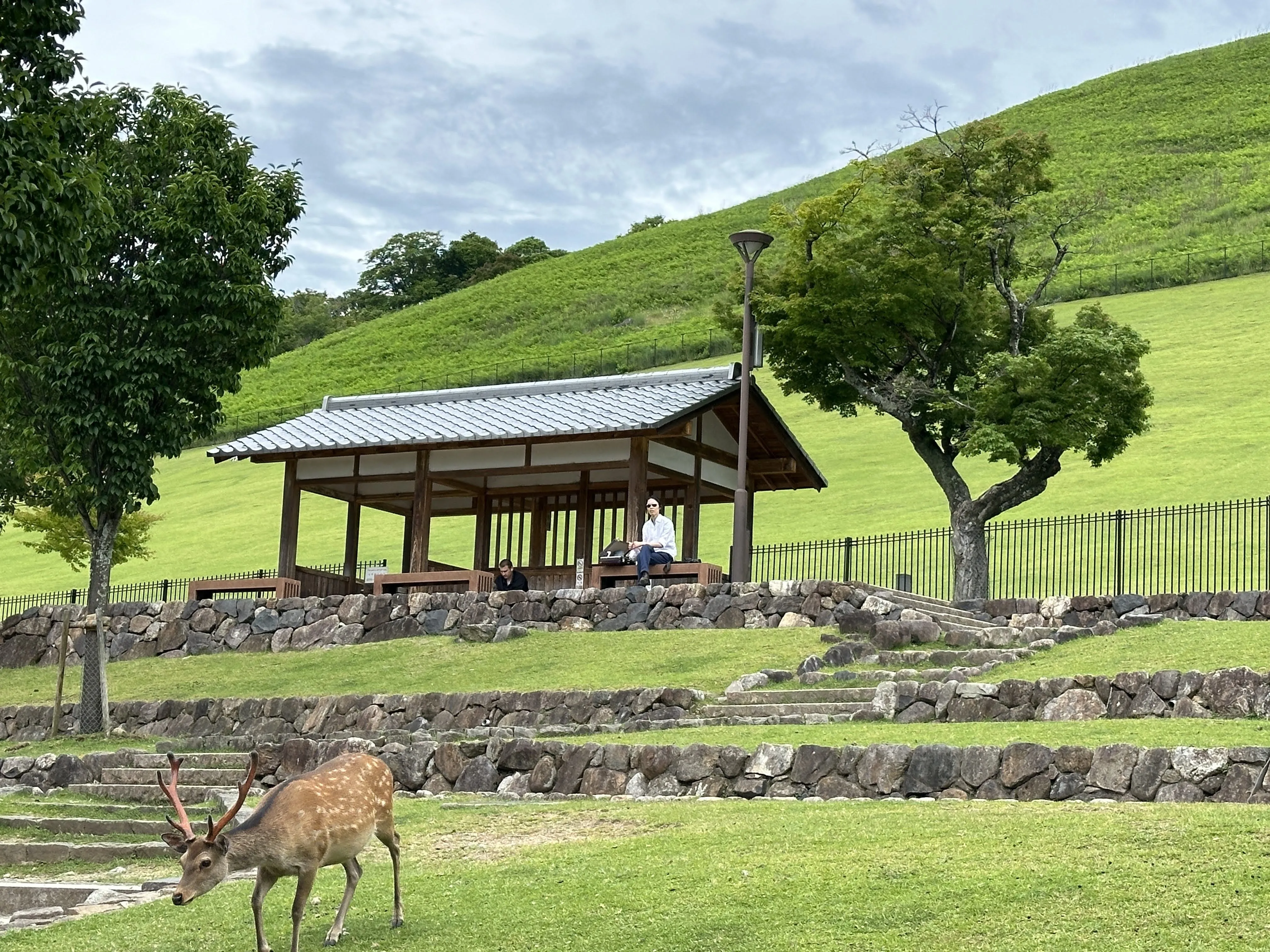
Deer on said hill. At the top of this hill a deer very violently tried to steal a travel brochure from my hand.
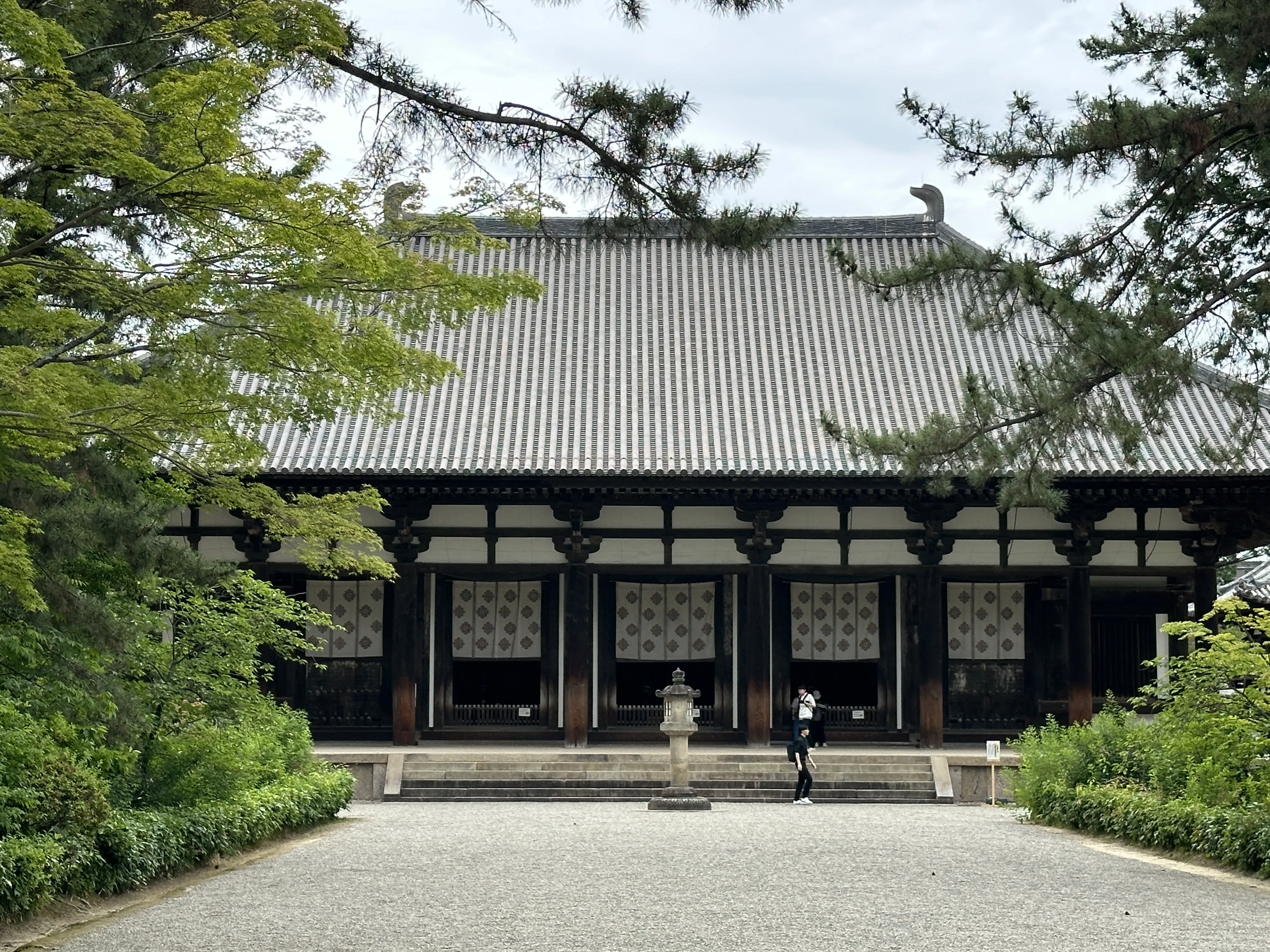
Toshodaiji, founded in the Tang dynasty by the Chinese monk 鉴真. It is also one of those beautiful and well-preserved Tang-era wooden temples in Japan that you really can't find in China anymore.
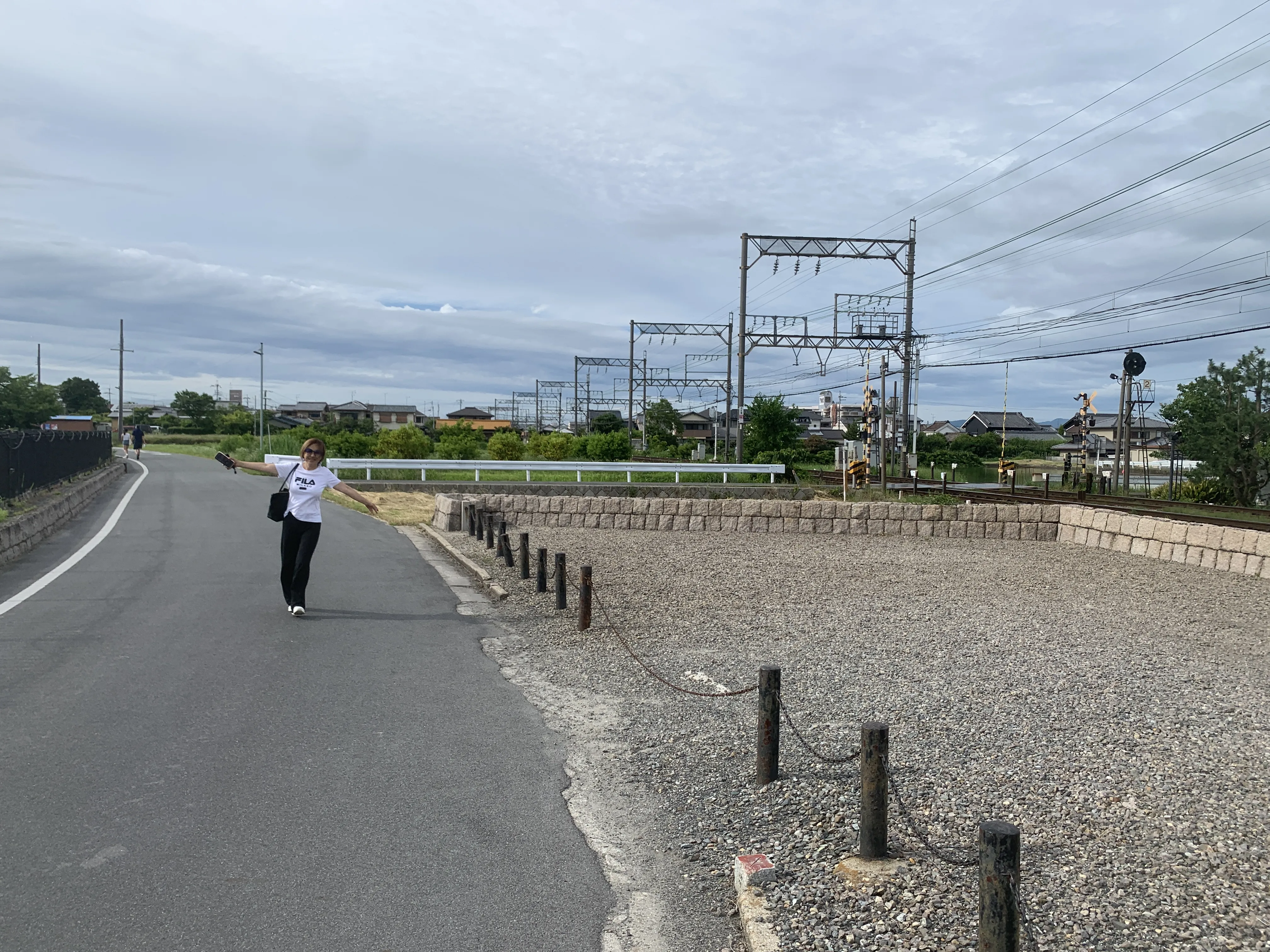
Side quest time! I wanted to see a kofun, the massive burial mounds for ancient kings (around 10th century BCE to 7th century CE) that look like keyholes from a bird's eye view, and I found one on Google Maps within walking distance from Toshodaiji. We walked through some village roads to get there, which is always fun.
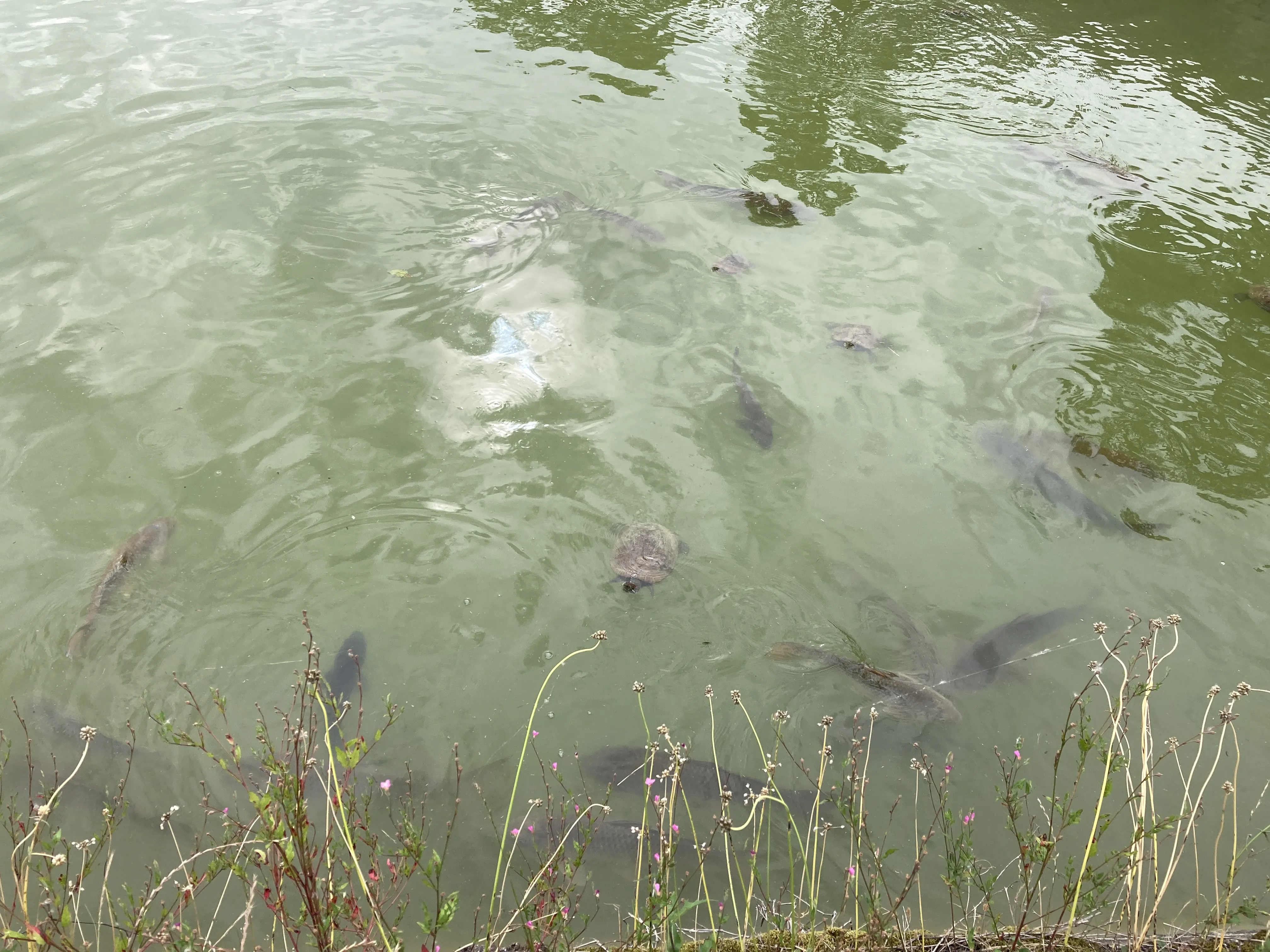
Turtles in village pond
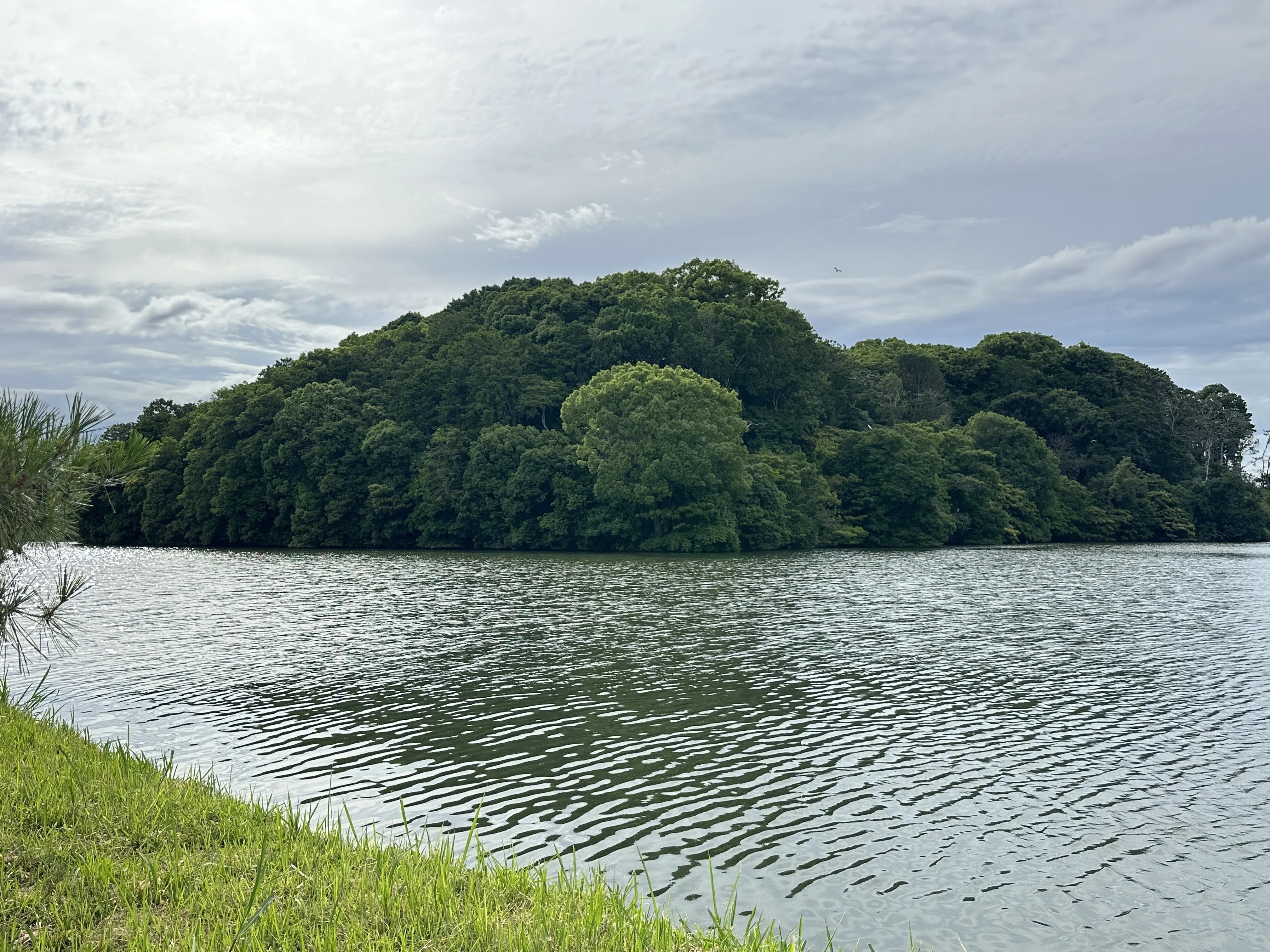
Kofun ("Mausoleum of Emperor Suinin" on Google Maps) with a moat, so we couldn't really get closer. I really do like old tombs for some reason, and in another life I would do archaeology and study them.
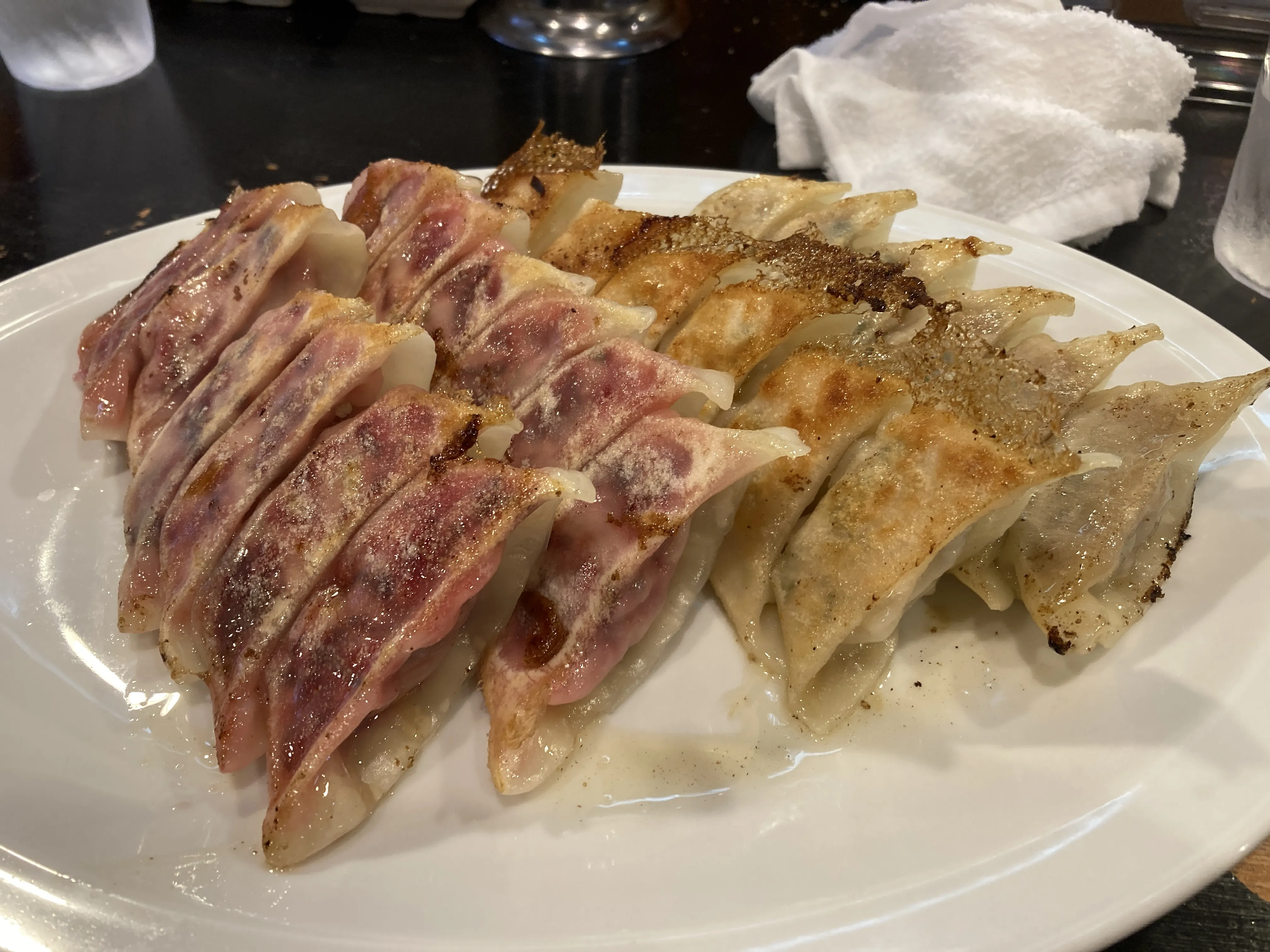
On the train back to Kyoto we got off at a random station and went to a random izakaya for gyoza. Honestly I don't really like gyoza that much, but Leo and I also got some 7-Eleven karaage that was pretty good.
Day 5: Osaka, traveling to Hiroshima
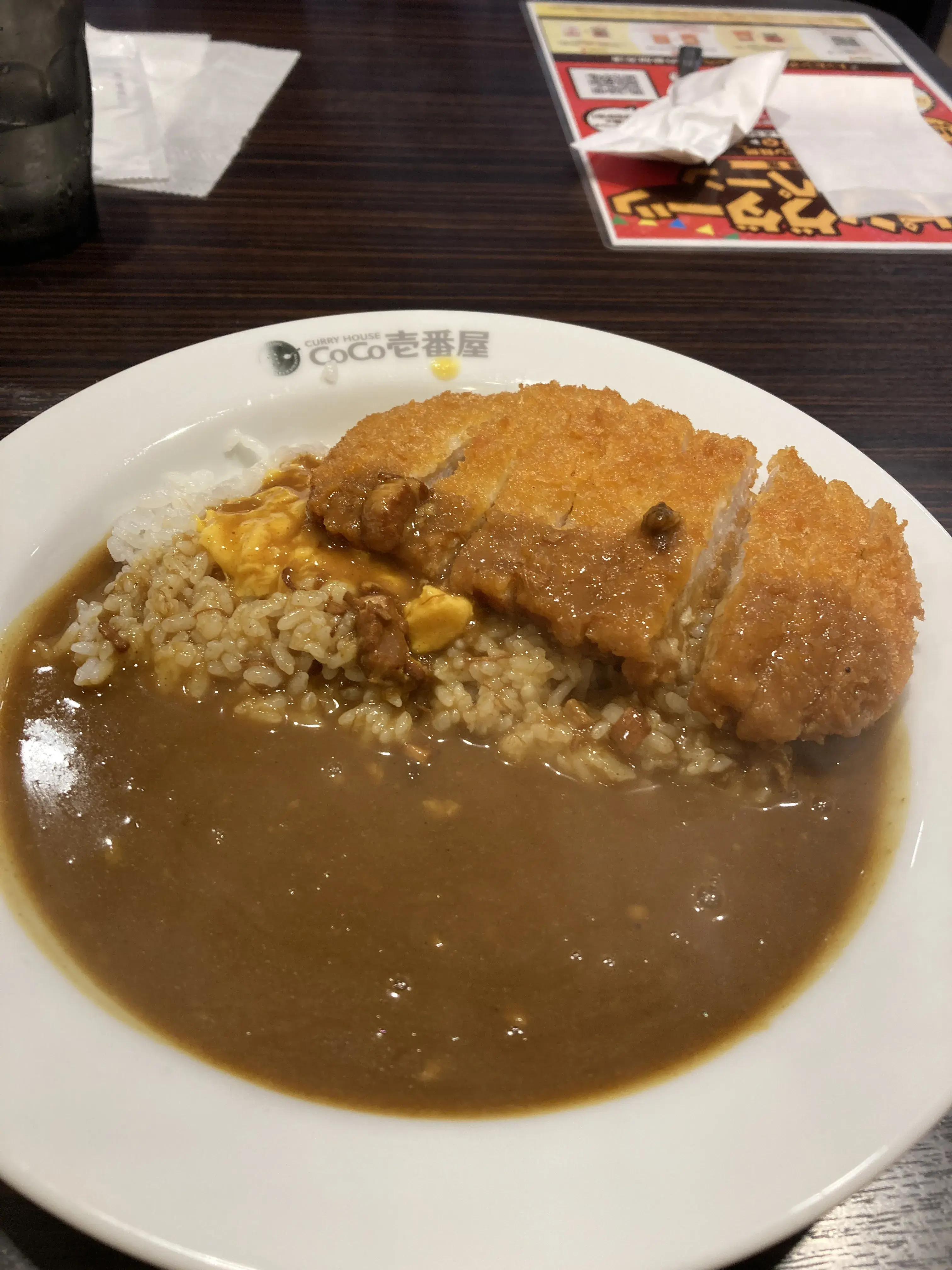
The beginning of our road trip! We trained to Osaka, where we first went to Osaka Castle, then CoCo Ichibanya (for some reason I like the Hong Kong locations better than the ones in Japan), then picked up our rental car.
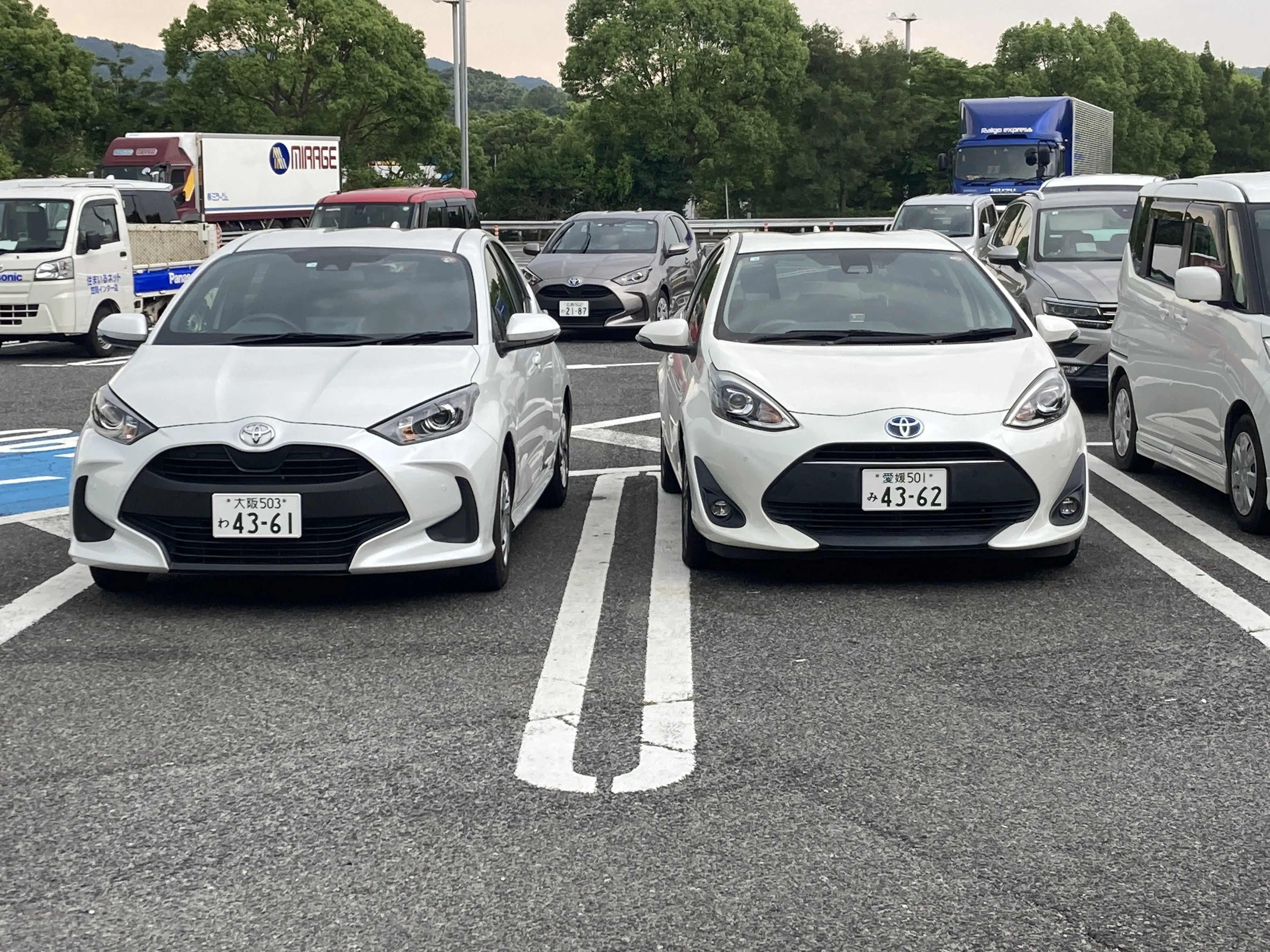
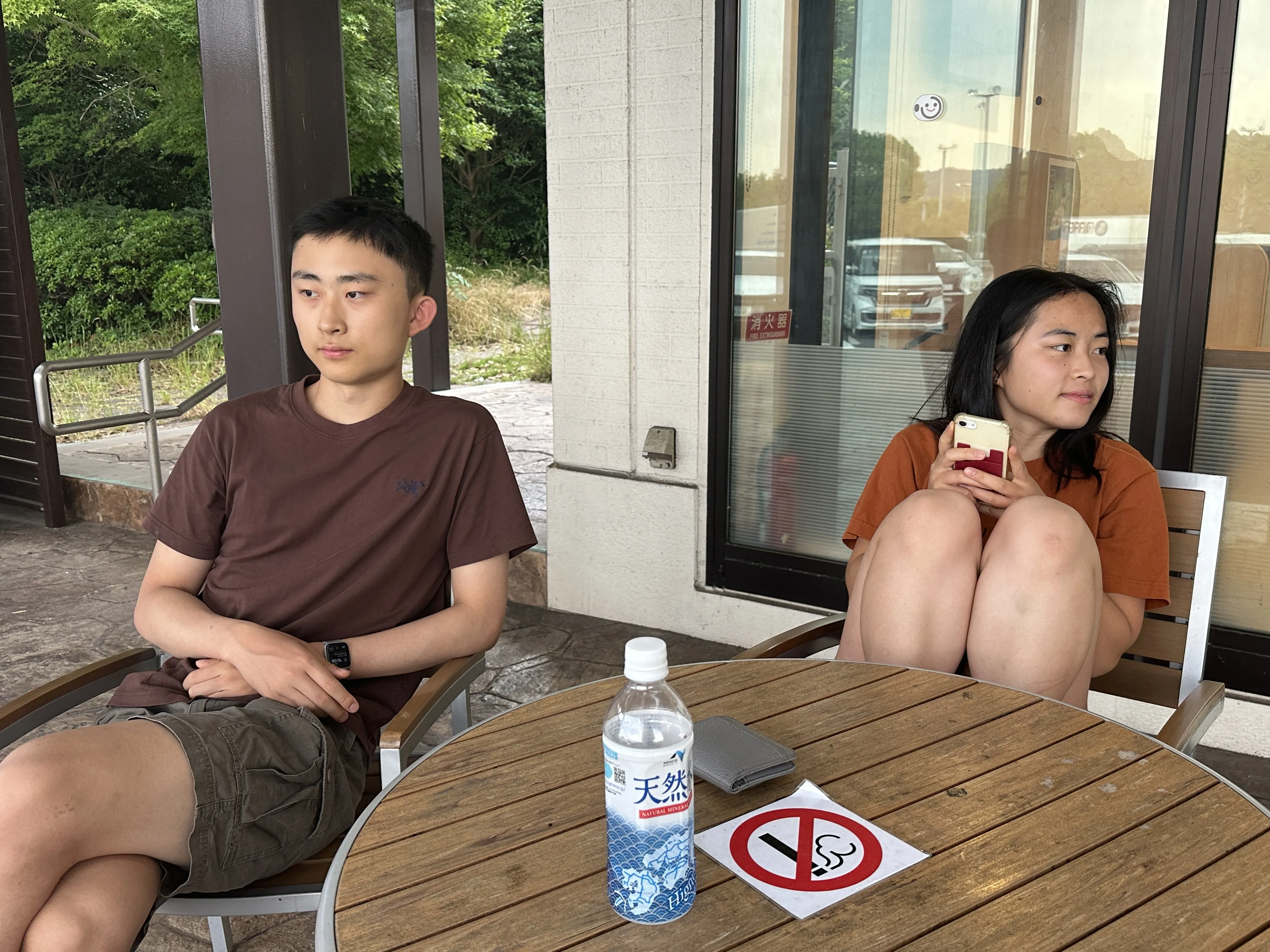
We sampled many rest stops along the highway. I was excited to park next to our license plate number neighbor, but as the trip went on I realized number neighbors are very common when the region and small numbers are the same.
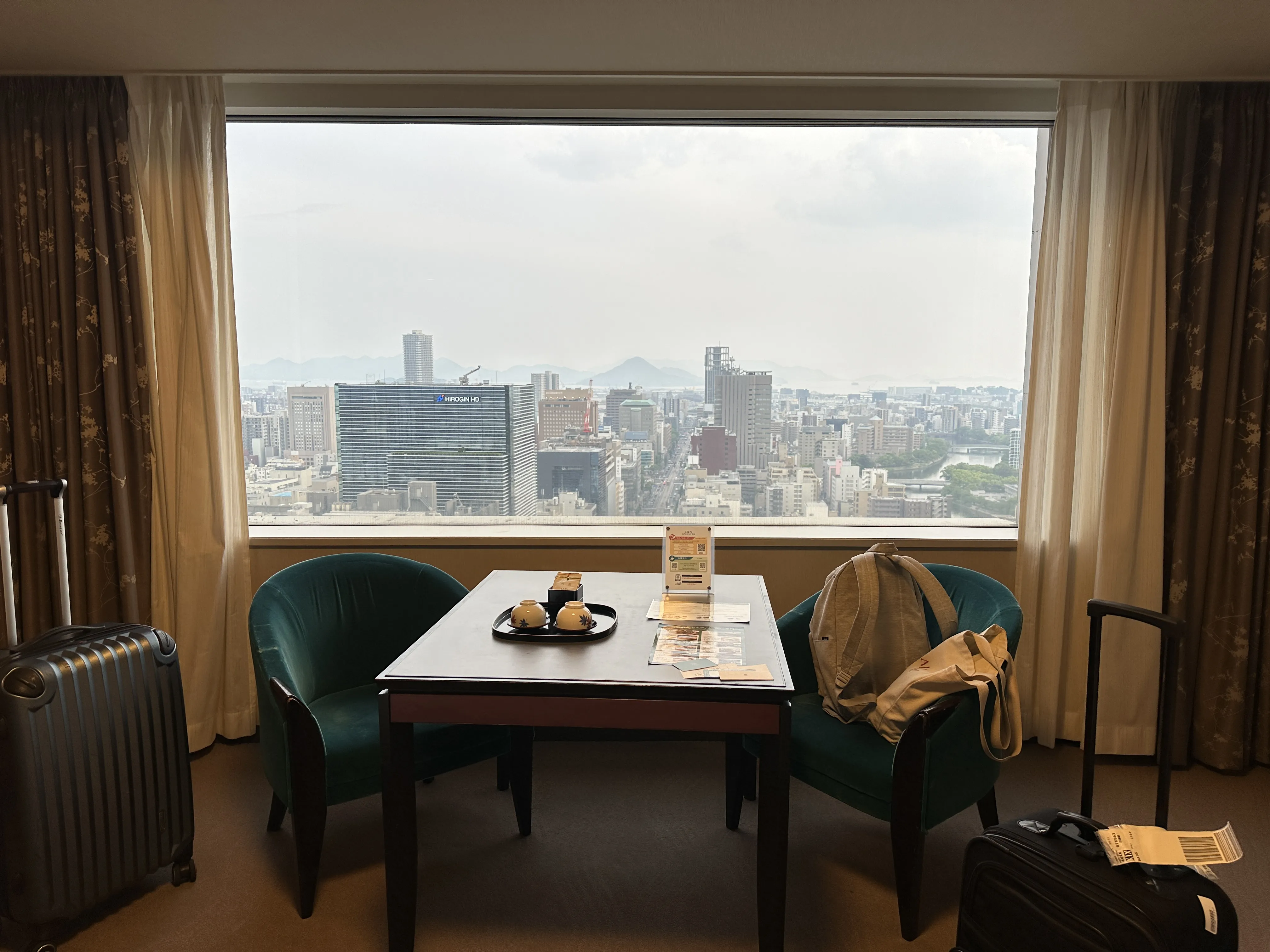
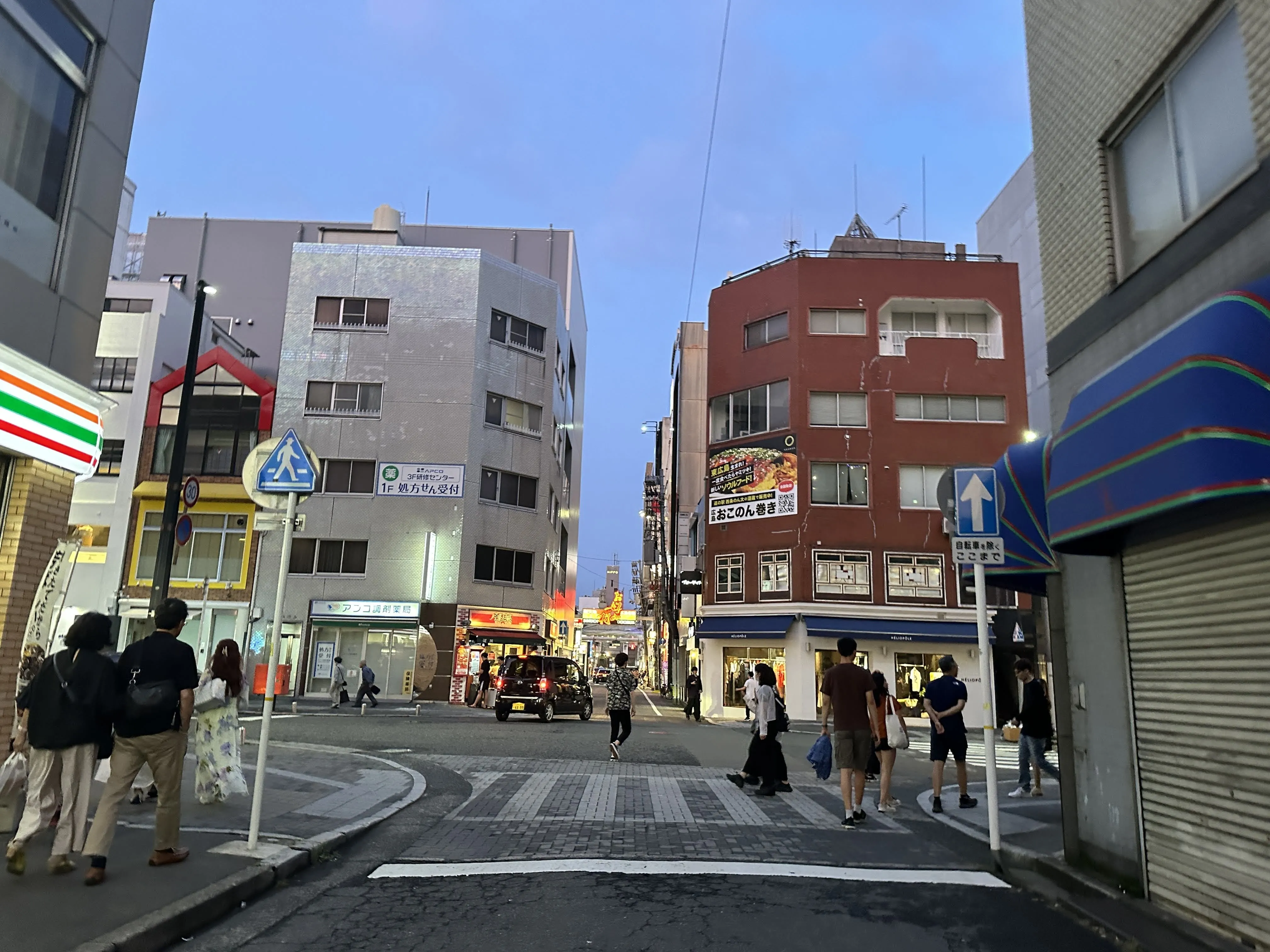
We dropped our stuff off at our hotel in Hiroshima before wandering out to find food.
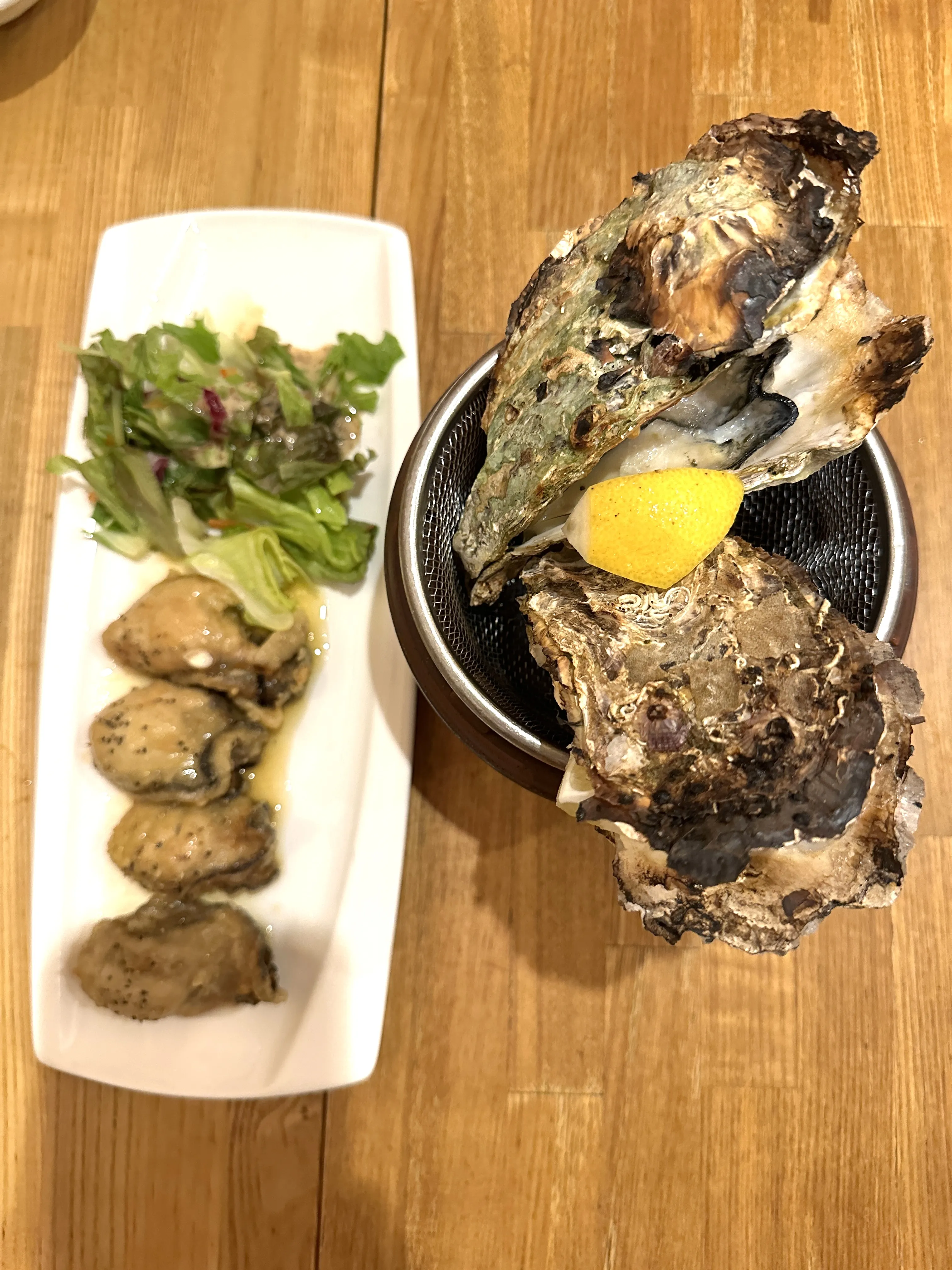
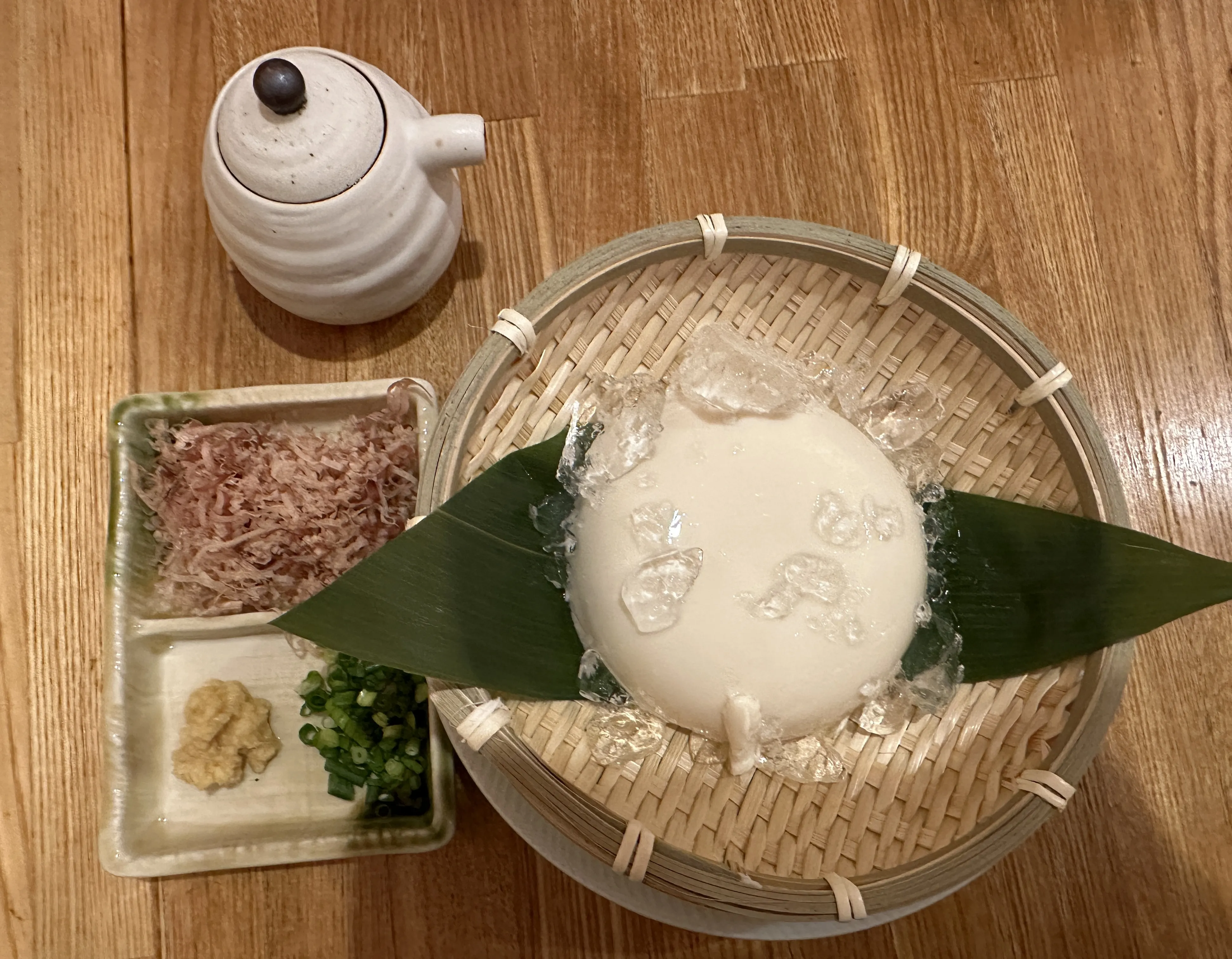
Very yummy Hiroshima oysters and tofu
Day 6: Hiroshima Peace Memorial Museum, traveling to Kurume via Shimonoseki
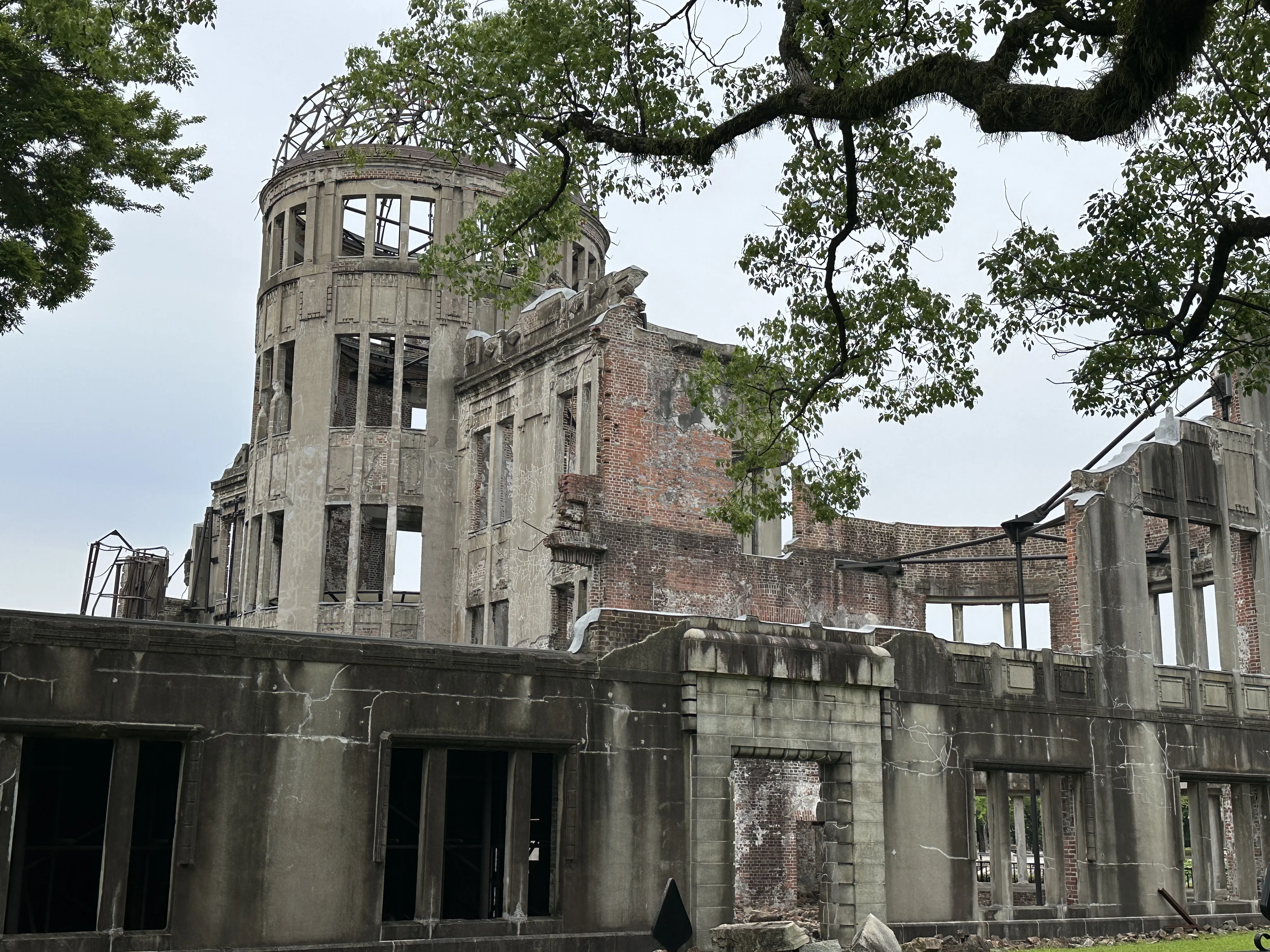
I think one of the unique and powerful things about museums is that, by virtue of making you physically travel there and walk through the space, they have the potential to bridge the gap between your sensing/feeling self and the ideas you only interact with intellectually. To bridge this gap is really the primary reason we (at least, I) travel at all. It is rare for a museum to do this for me, but the Peace Museum in Hiroshima definitely did.
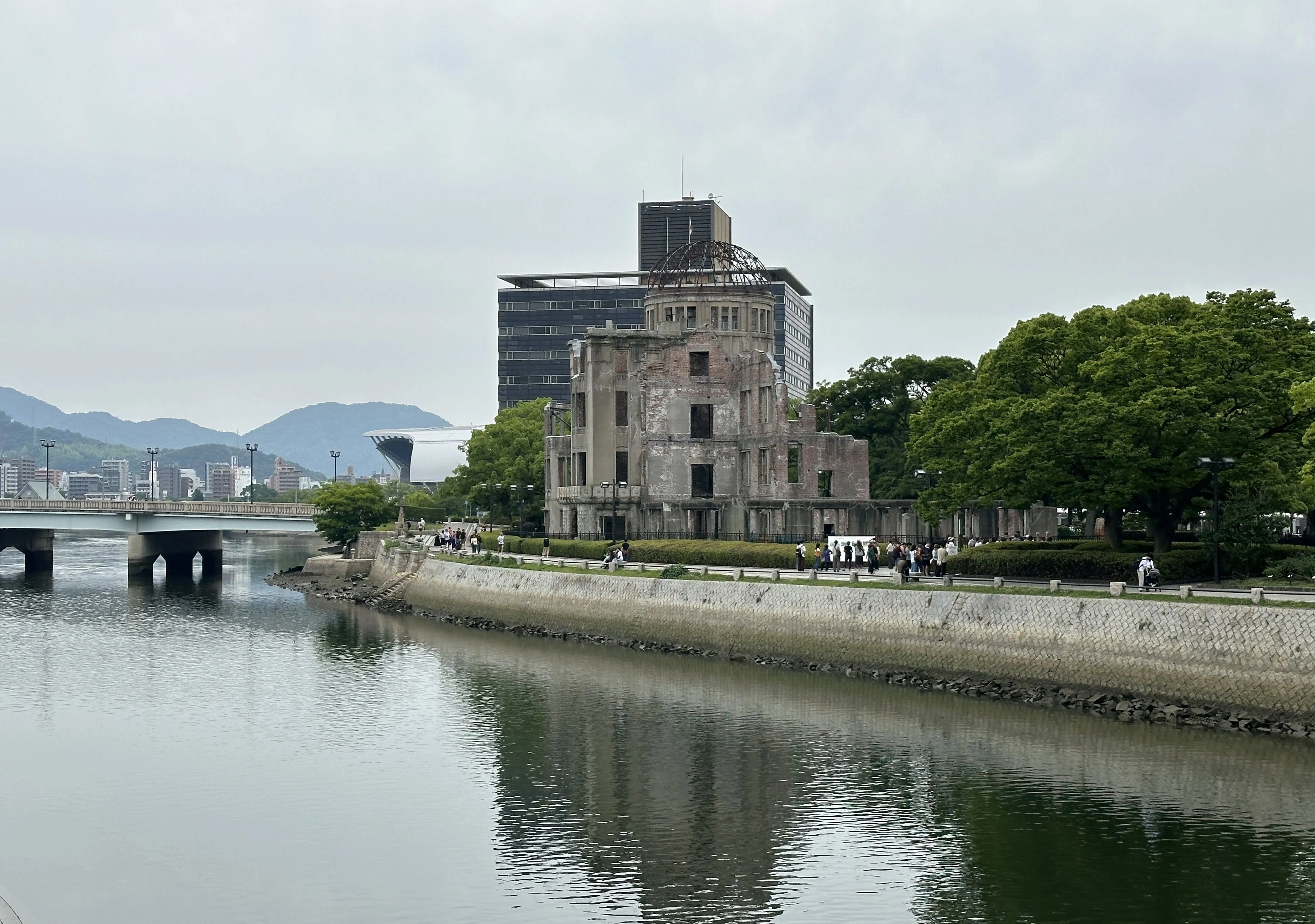
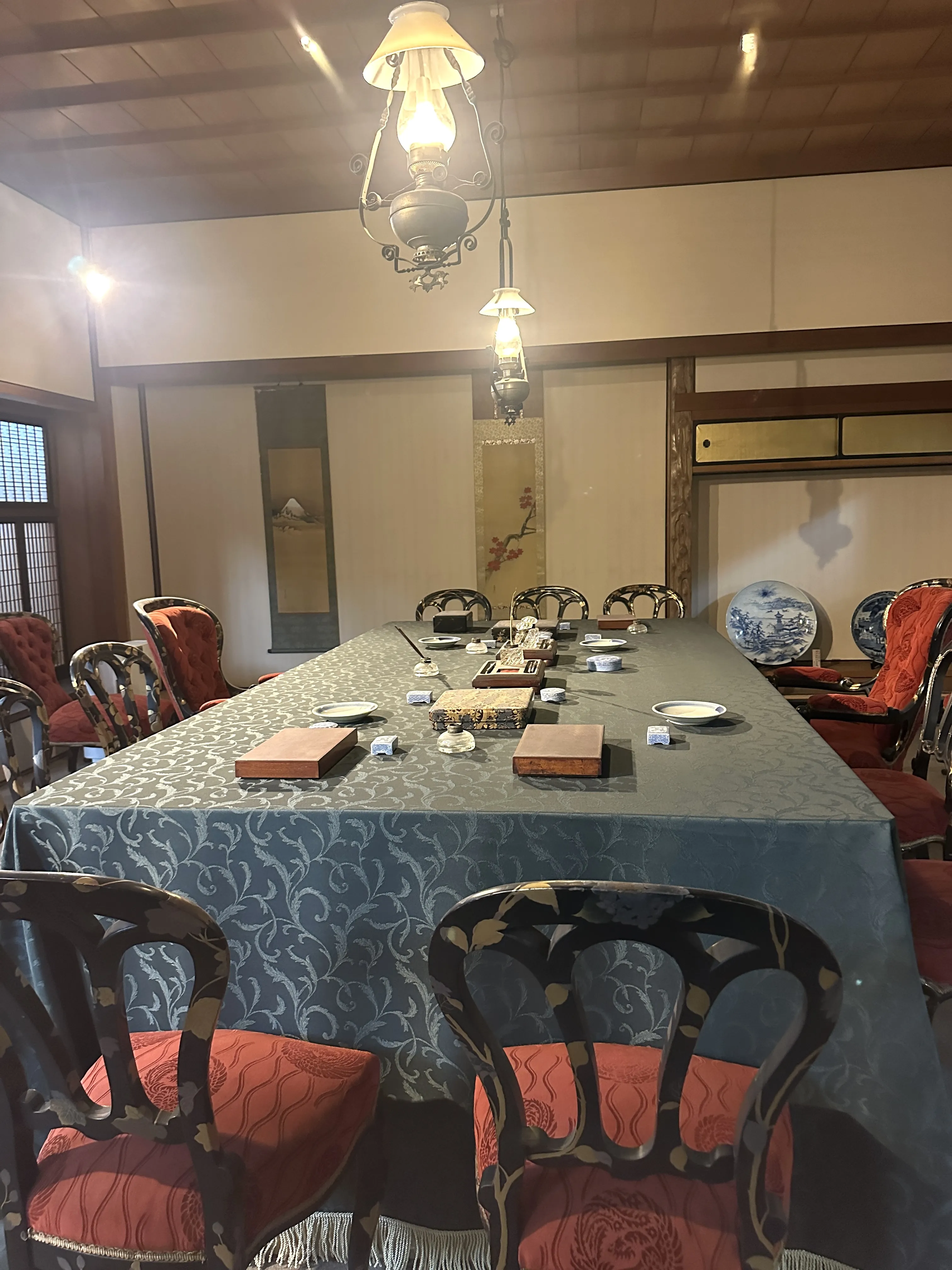
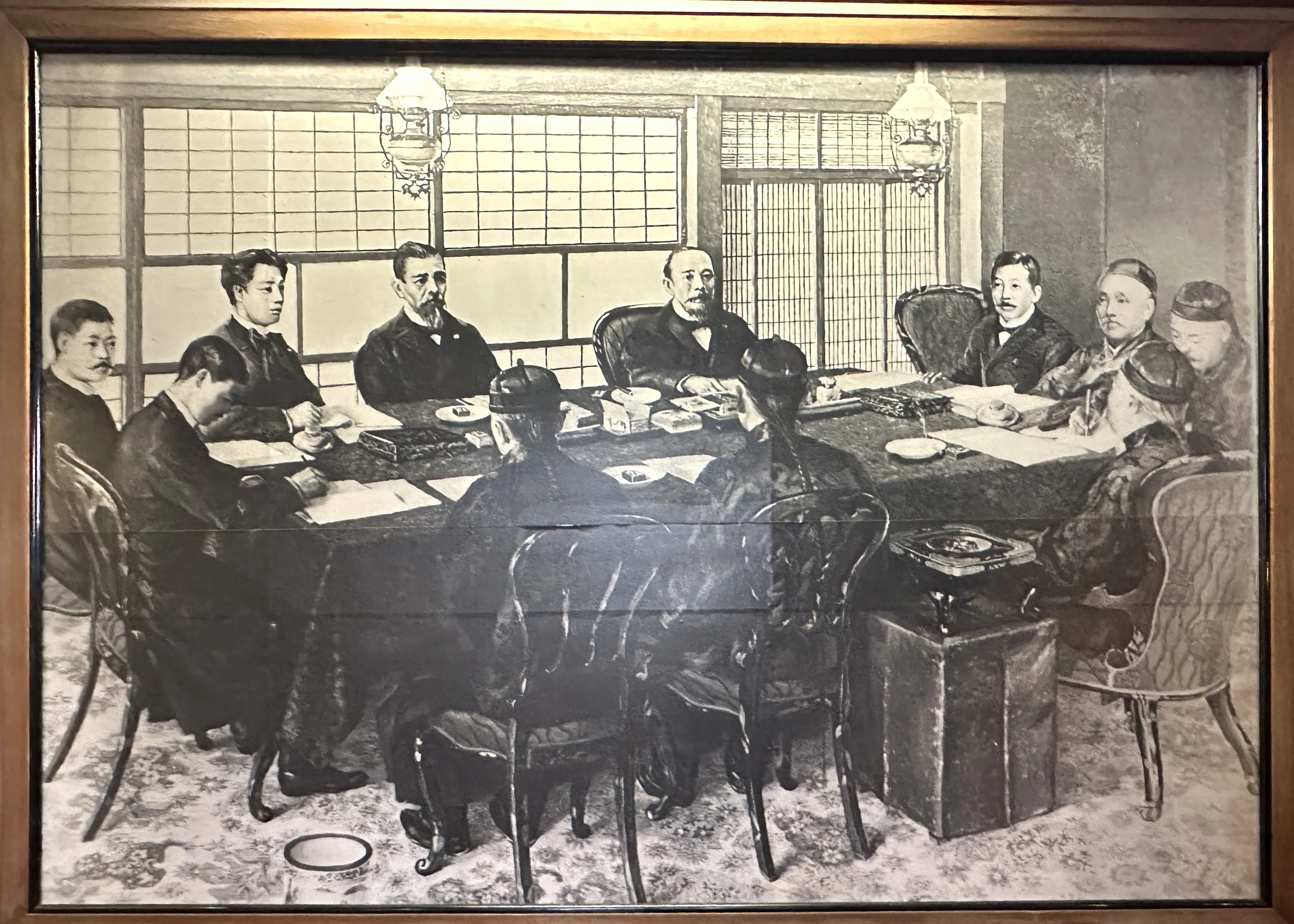
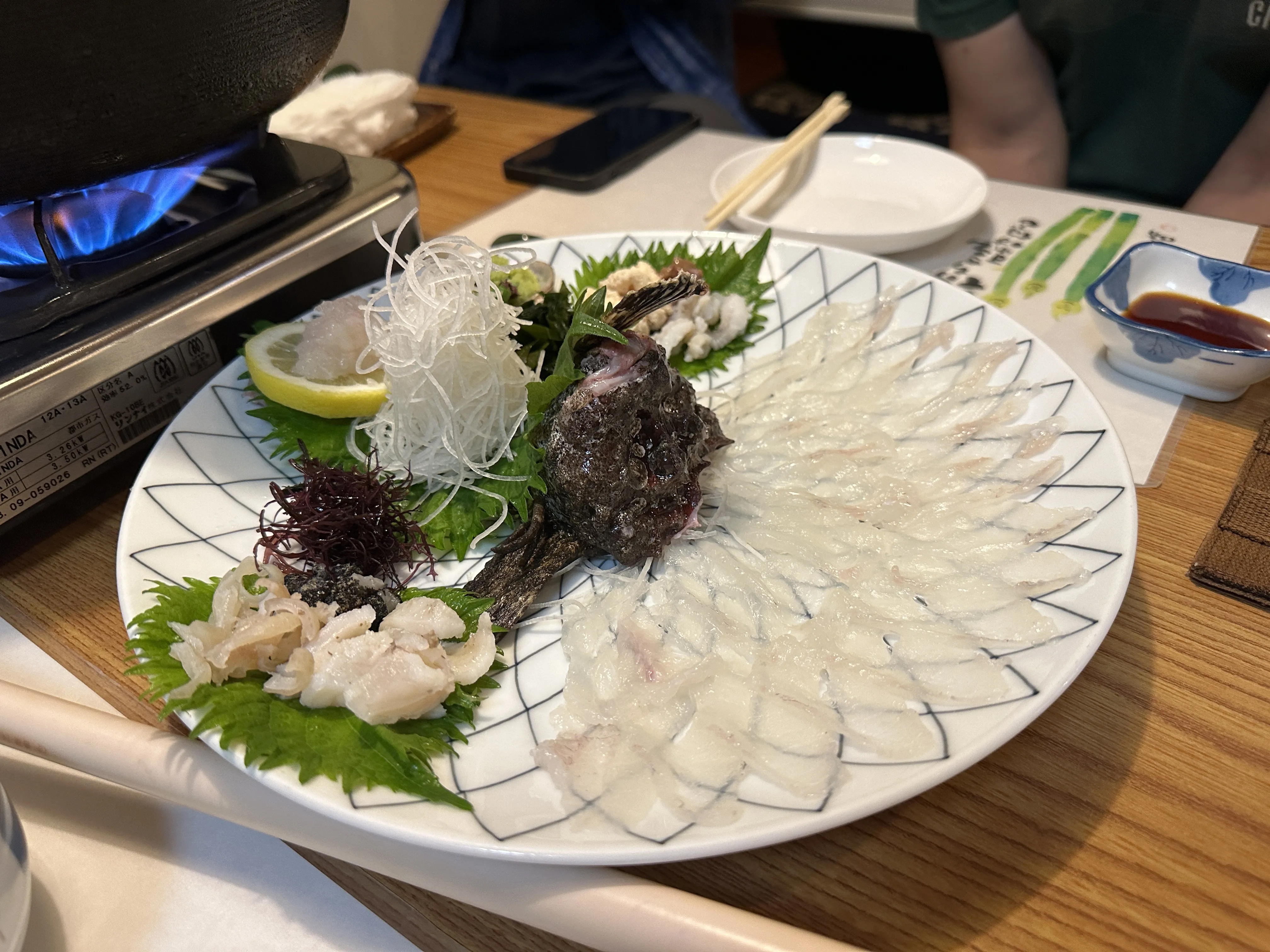
On the drive south, we realized we would be driving through Shimonoseki, where the 1895 Treaty of Shimonoseki (马关条约) that ended the First Sino-Japanese War was signed. This is one of the unequal treaties that epitomizes the humiliation of late Qing China, which really are an important part of the contemporary Chinese psyche. There was an exhibit at the hotel where the treaty was signed, which preserved the original conference table and even marked the chair where 李鸿章 sat. Also, apparently Shimonoseki is known for fugu (pufferfish) sashimi, which we tried at Karato Fish Market.
Day 7: Hirado, traveling to Nagasaki, Dejima
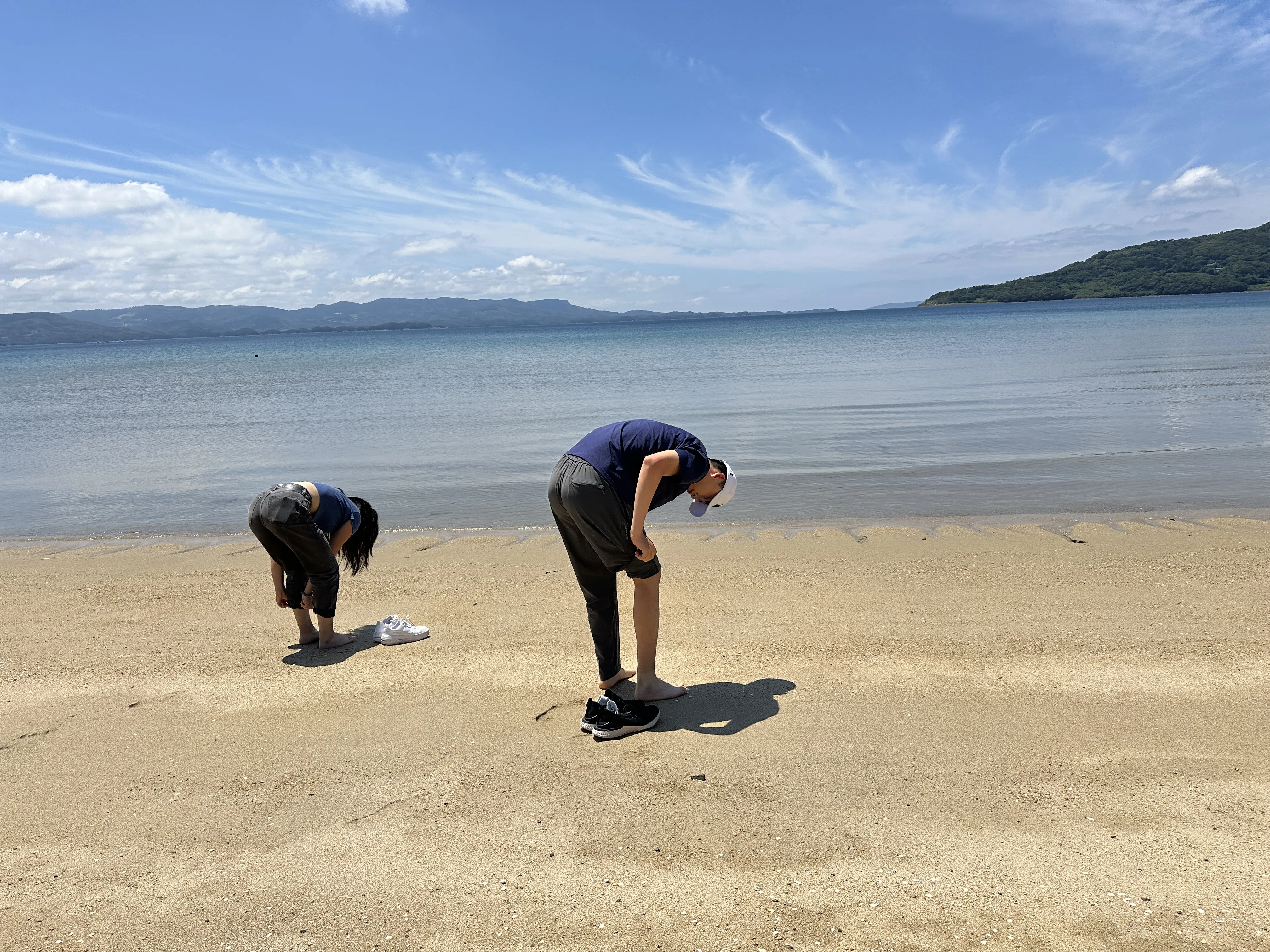
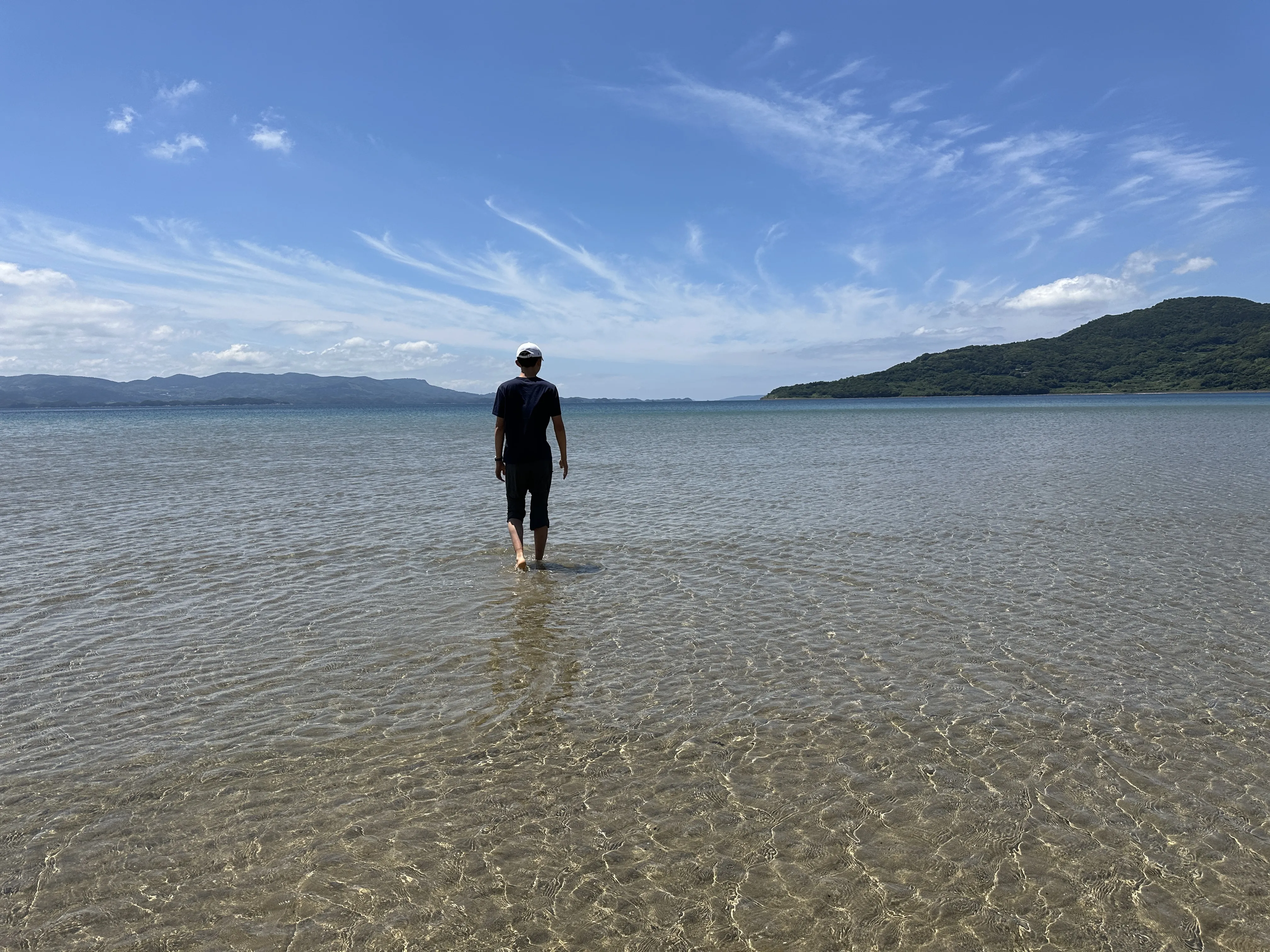
My dad wanted to visit Hirado, where 郑成功, who eventually expelled the Dutch from Taiwan, was born. This is a very nice beach a few steps away from his childhood home.
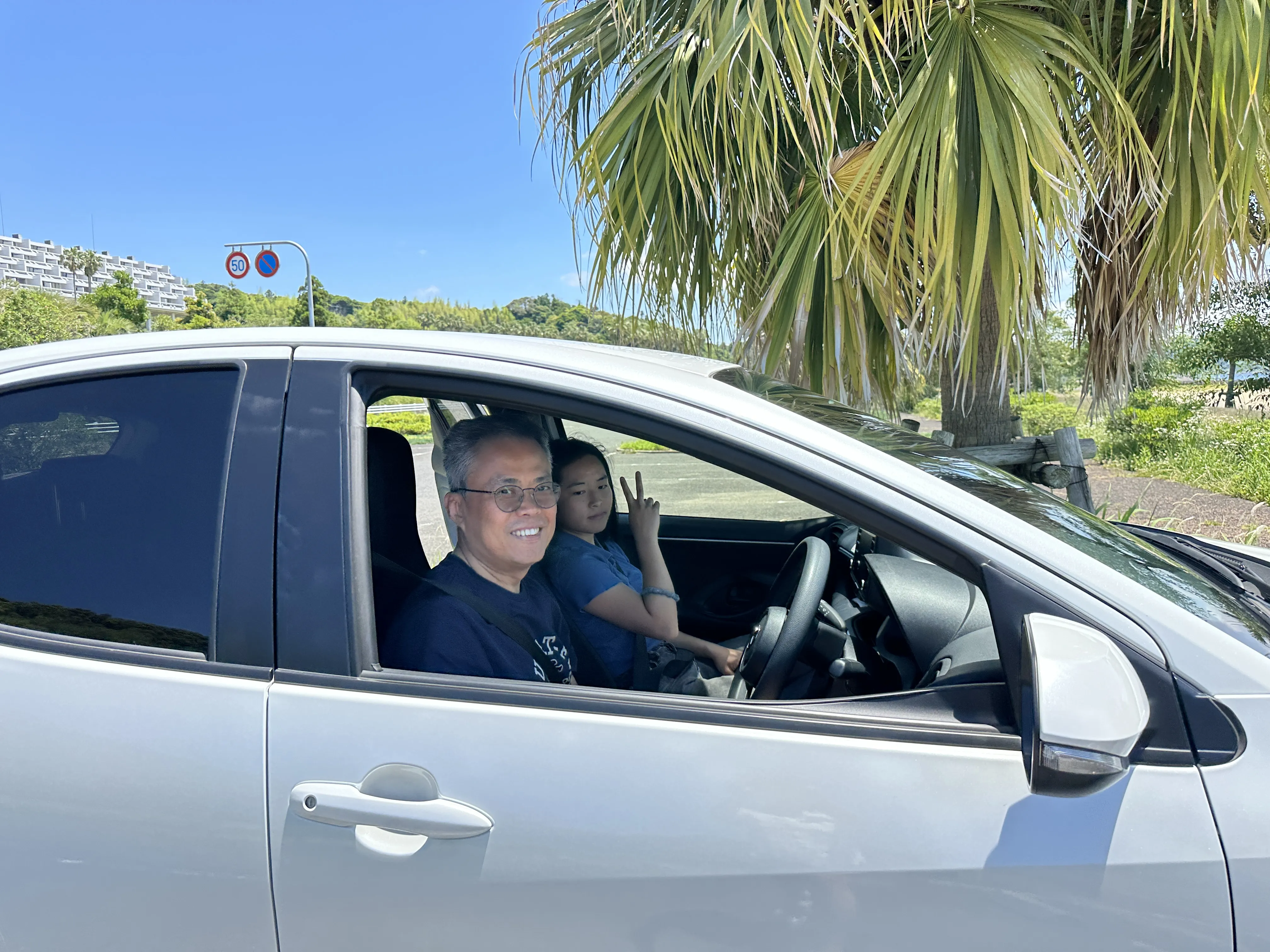
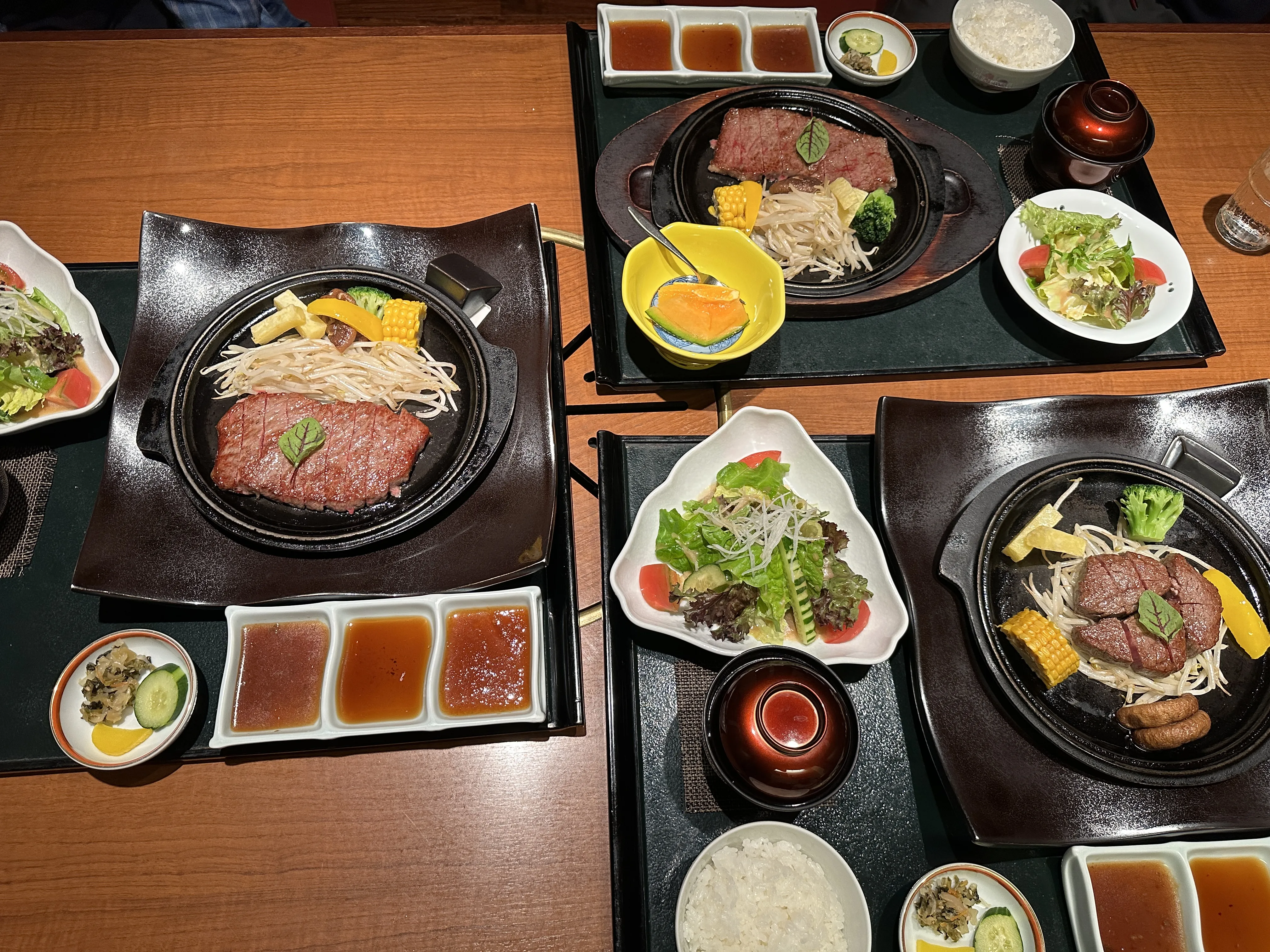
Apparently Hirado is also known for beef, so we had some.
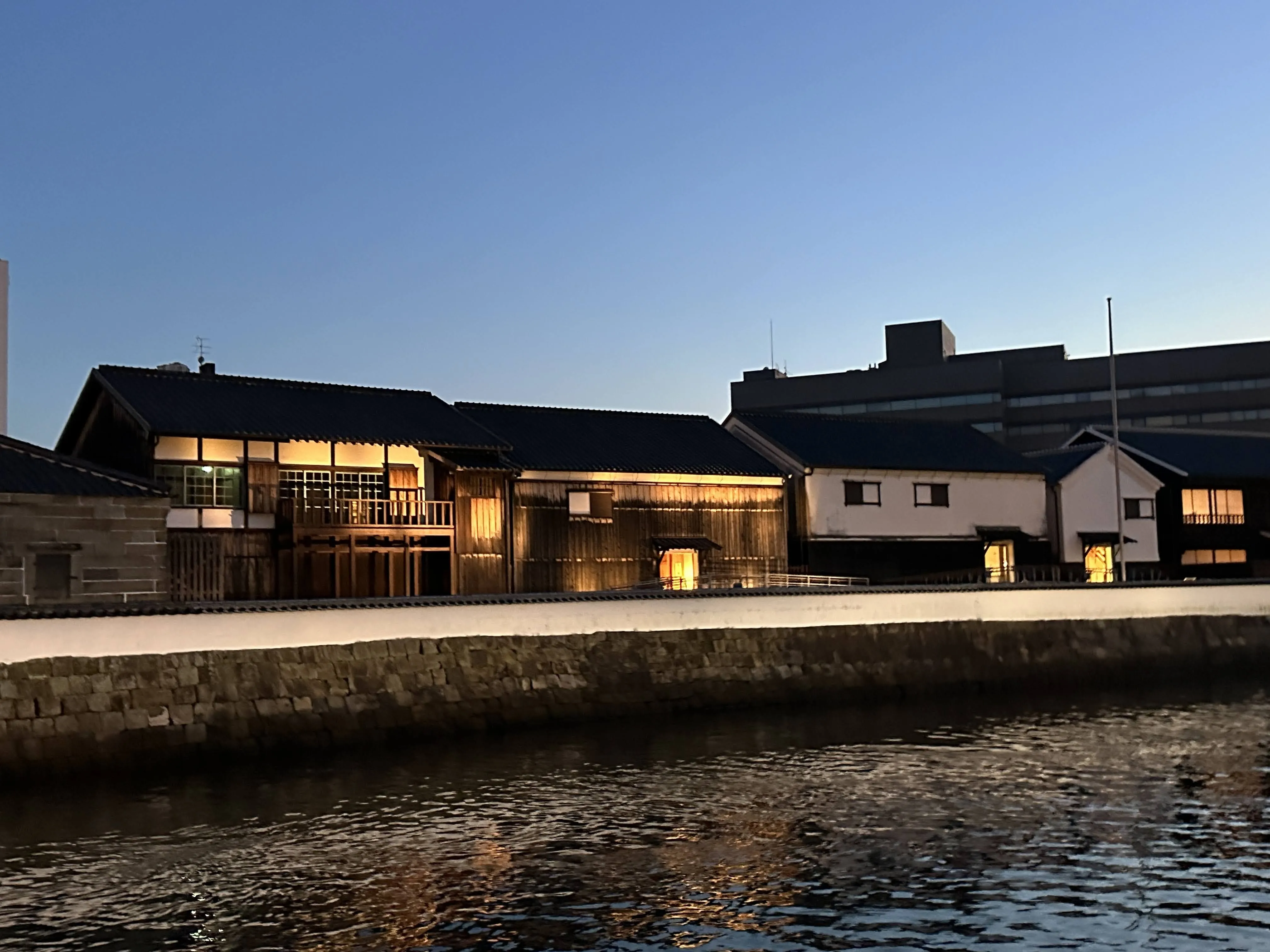
Dejima, an artificial island off Nagasaki (now attached by land to the city), was the only foreign trading post in Japan during most of the isolationist Edo period. The island was the only land that the Portugese and later Dutch traders were allowed to step foot on, so the tiny strip of land (120m by 75m) held all that was necessary for them to live and trade.
Day 8: Traveling to Kagoshima, Senganen
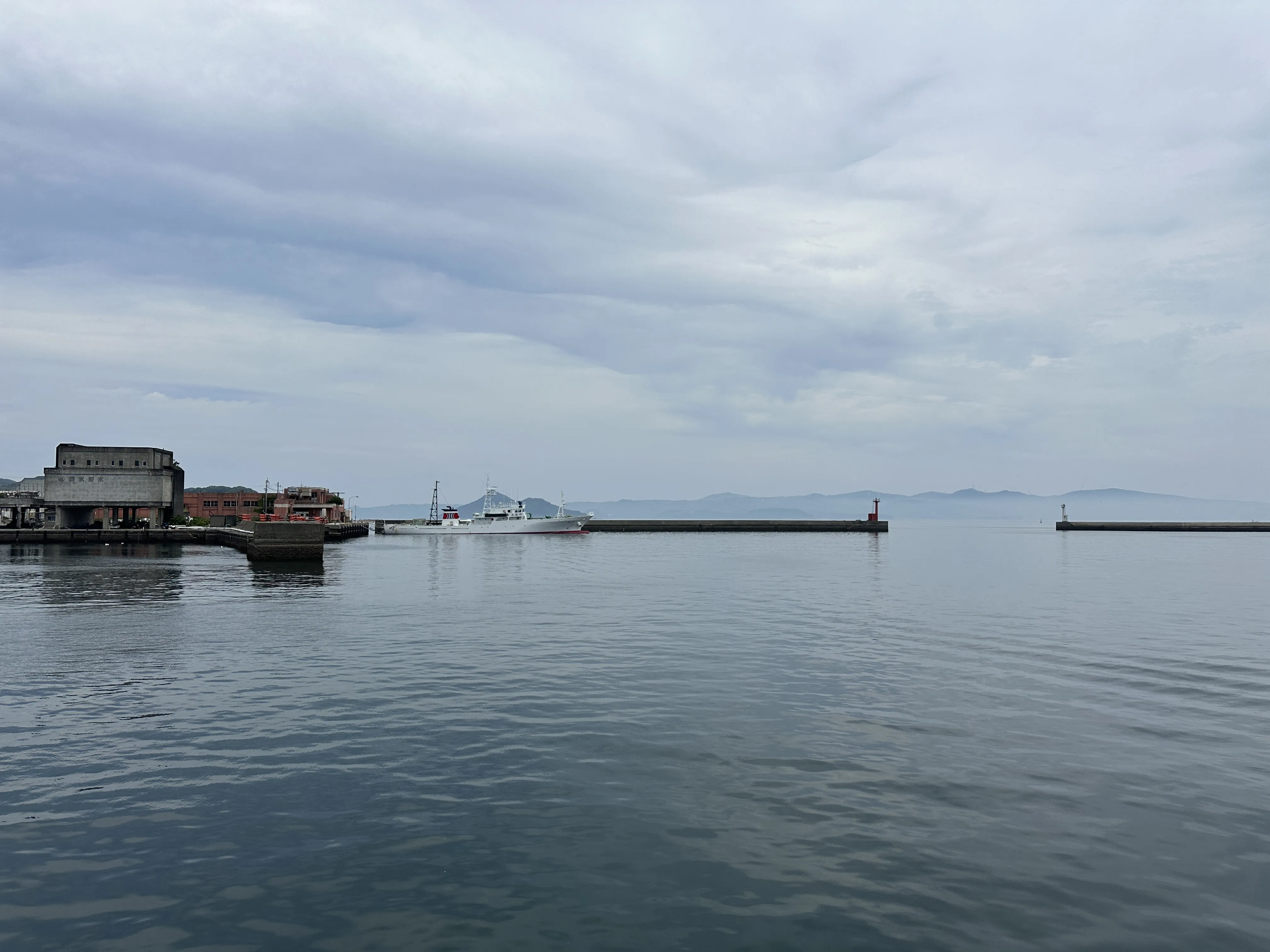
Instead of driving inland on the highway, we decided to cross the gulf separating Nagasaki from the southern part of Kyushu on sea, via the many small islands and car ferries. The waters in this part of Japan are all very calm, and they always seem to meet the sky in distant mountains, and everything is a similar shade of greyish blue.
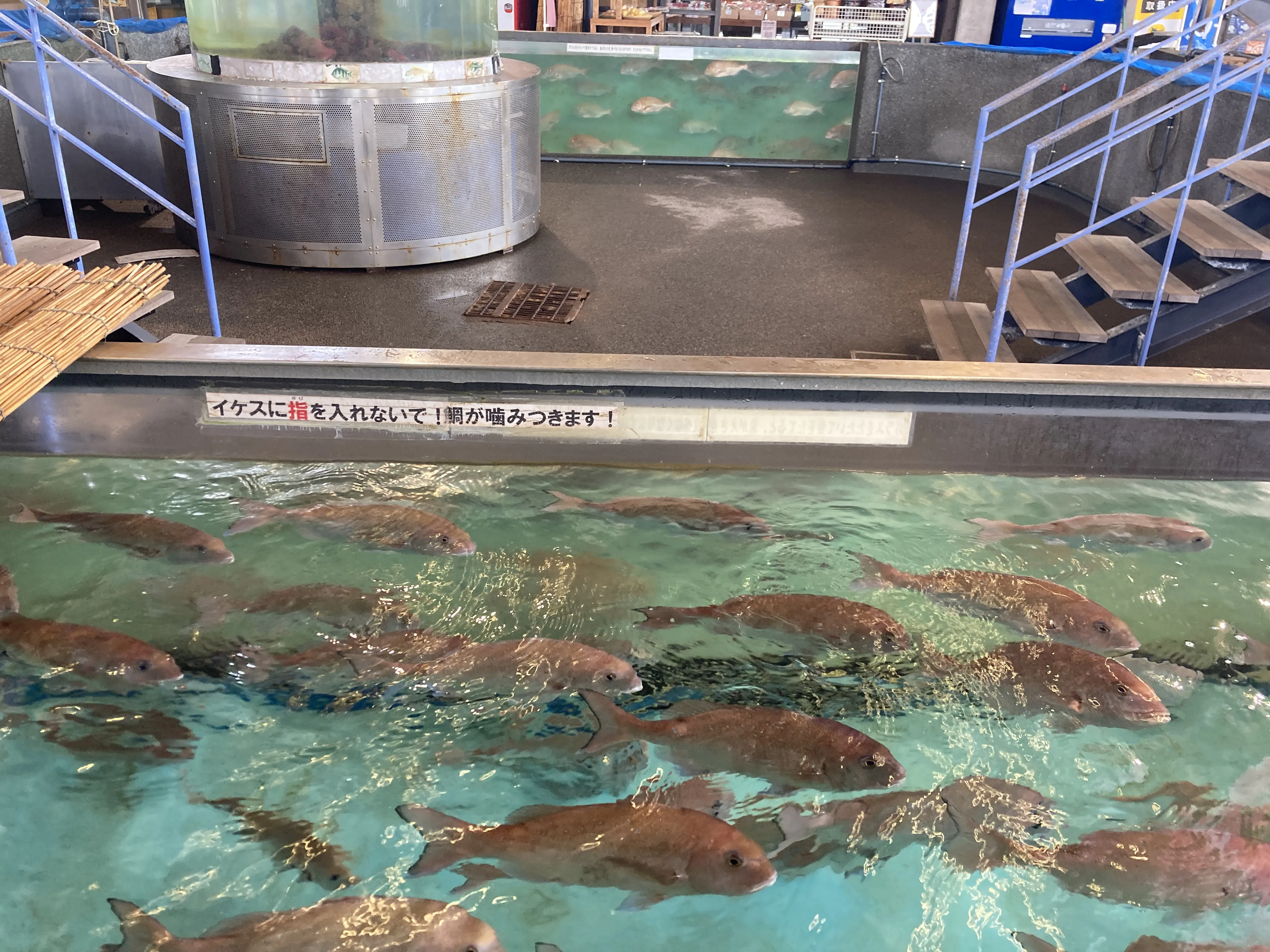
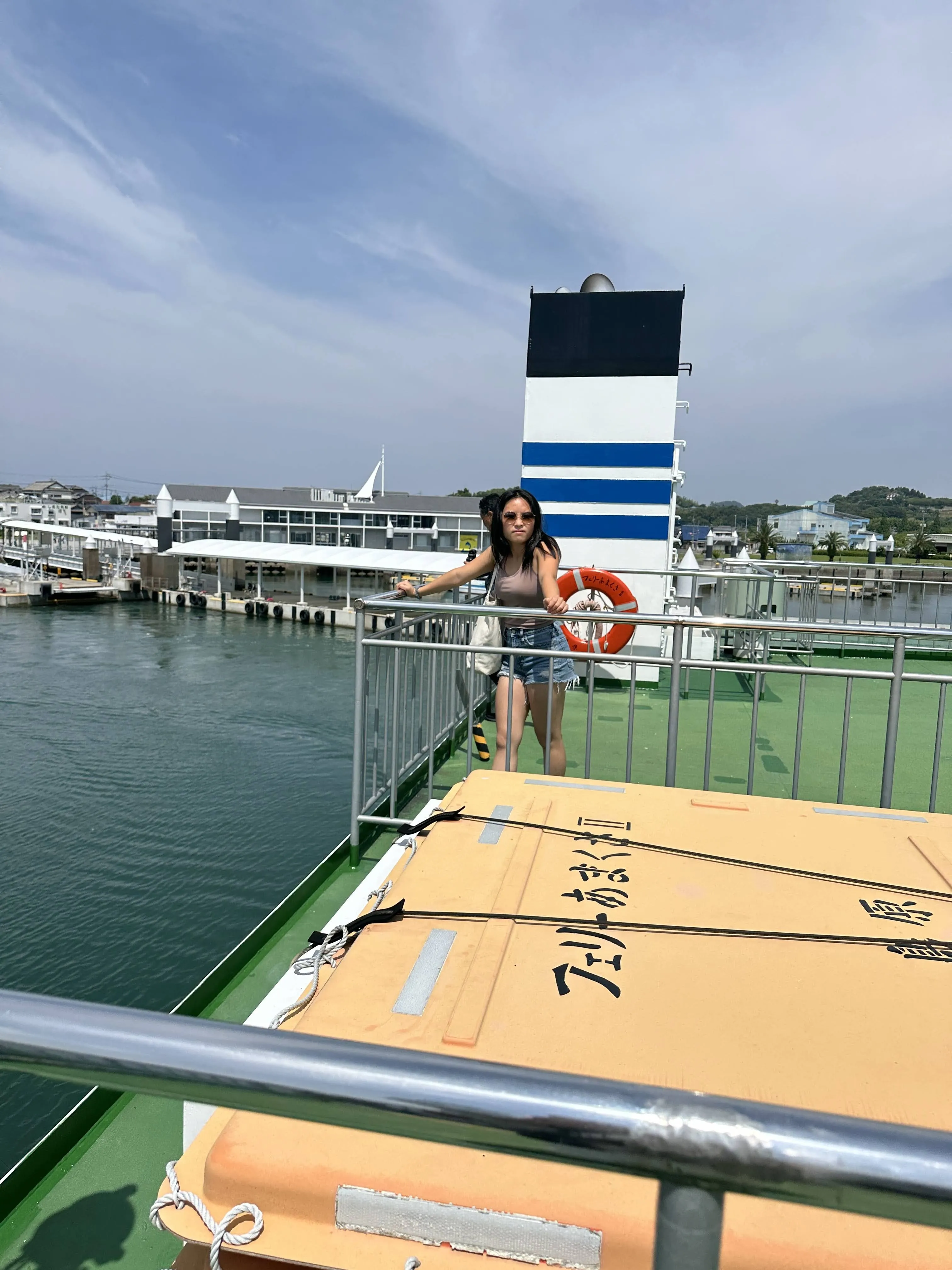
I remember reading someone say somewhere that they never traveled the closest path between two places. In our case, taking the non-highway route meant we got to see many small ferry ports and local souvenir stores with fish.
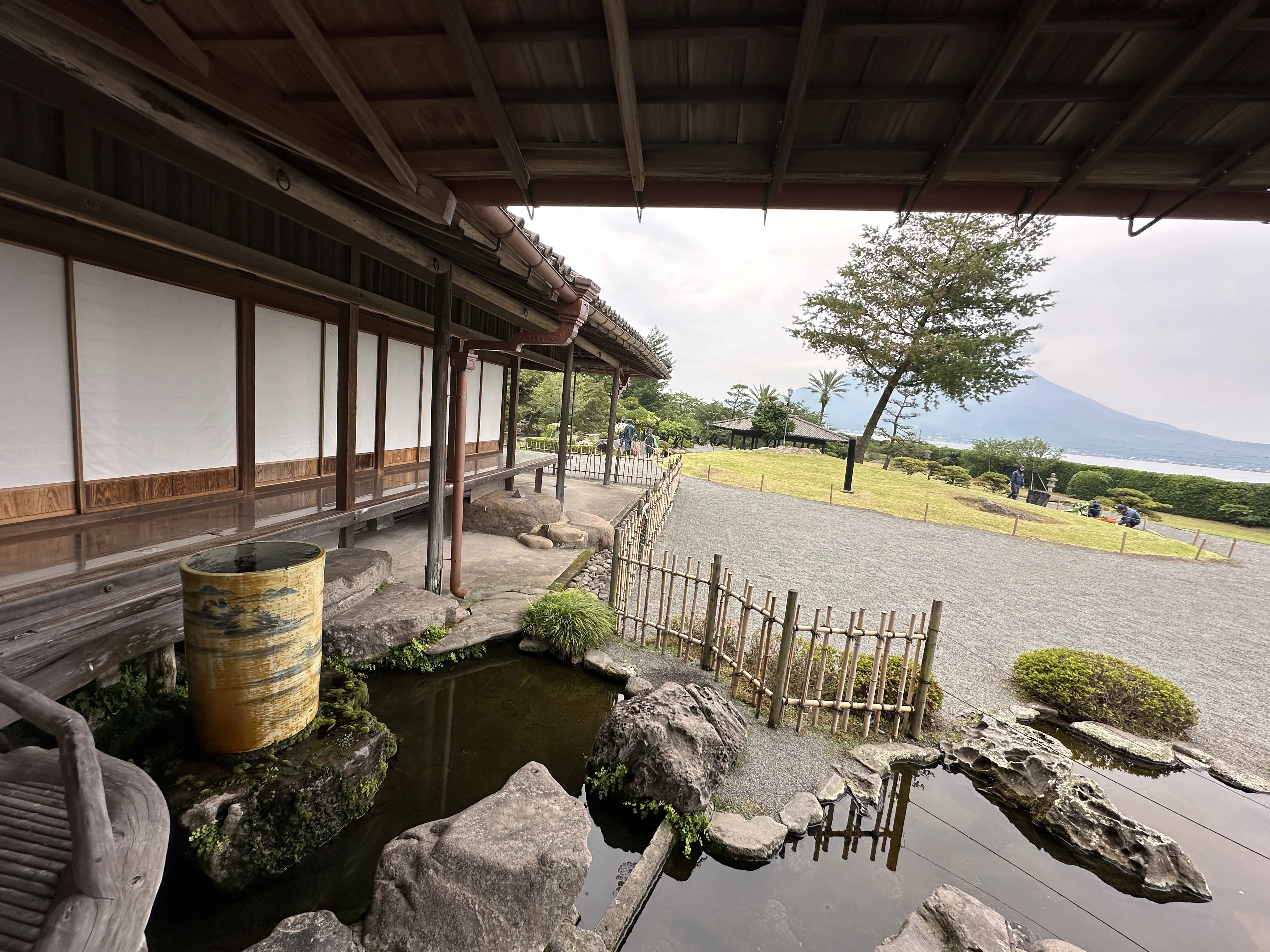
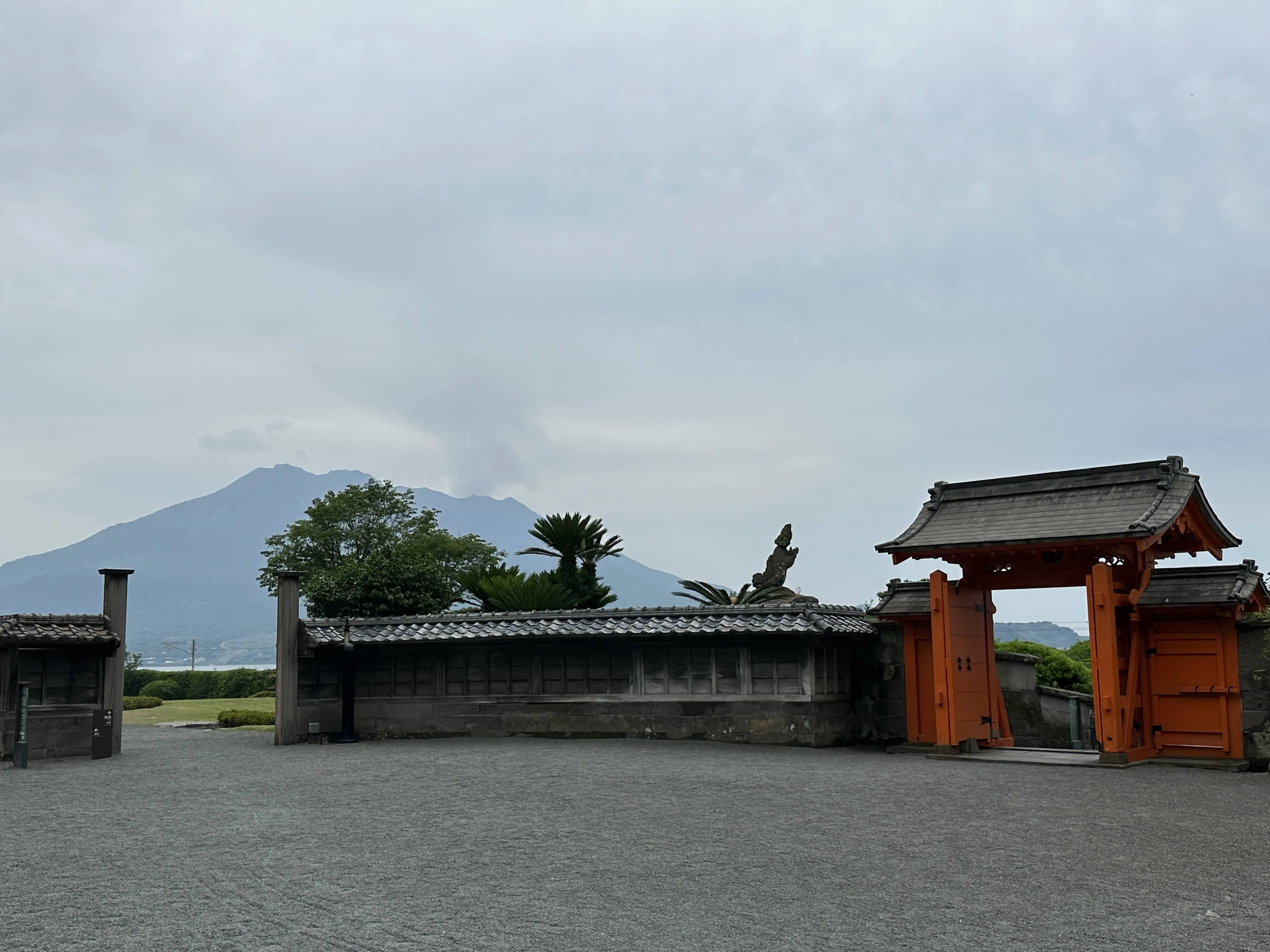
Arriving in Kagoshima, we went straight to Senganen, the garden and residence of the Shimazu Clan. Shimazu Nariakira was one of the earliest to recognize the need for industrialization, building an iron melting furnace on the grounds of his residence in 1852, efforts that preceded the Meiji Restoration (1868-1869). Nariakira was also the daimyo of Saigo Takamori, who spent his early life in Kagoshima (Satsuma Domain) and eventually returned before leading and losing his life in the Satsuma Rebellion (1877).
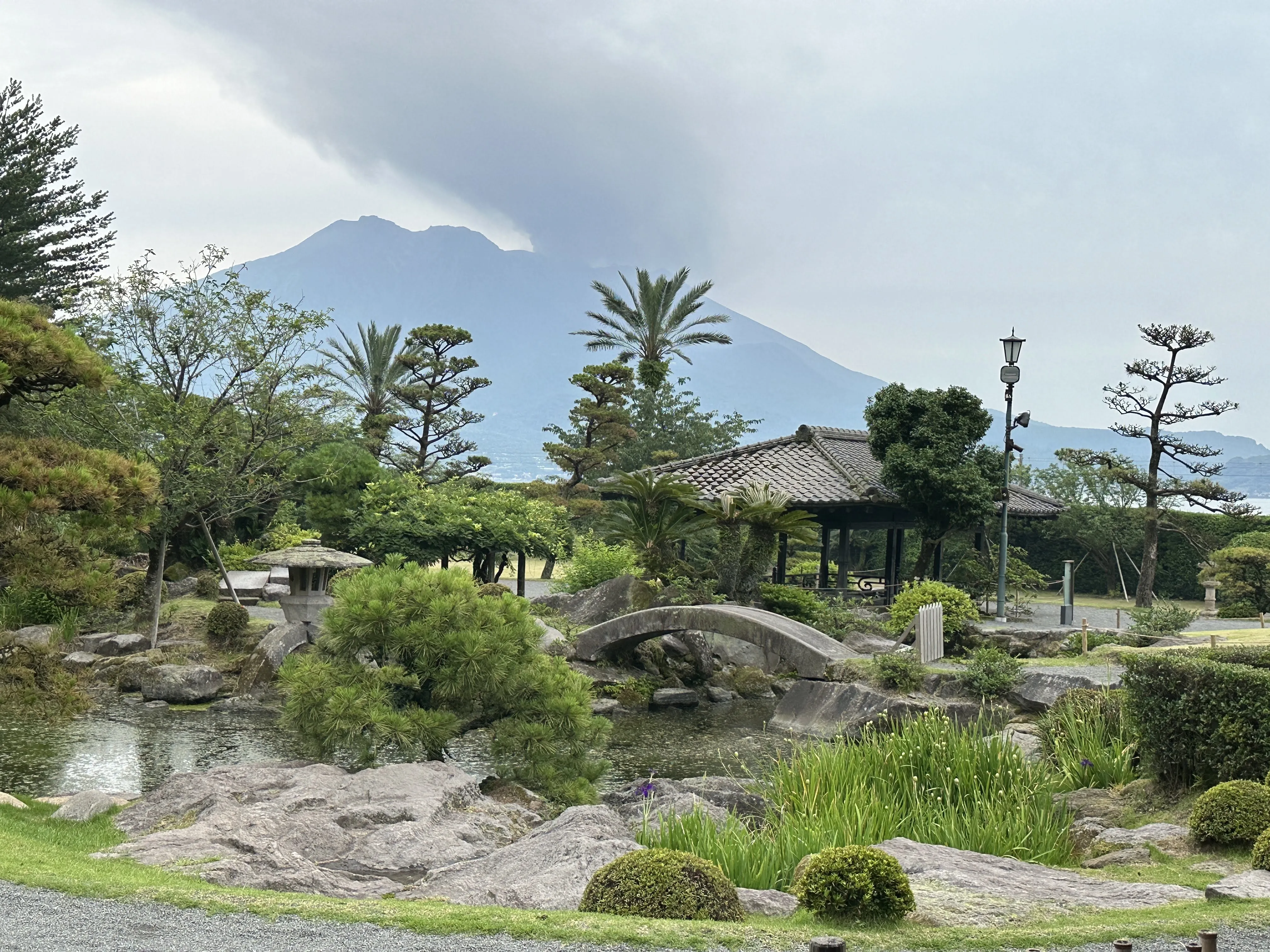
The Shimazu garden and residence was also really, really nice. The garden was designed against the backdrop of Sakurajima, an active volcano on the water. This was easily my favorite garden (and probably favorite place) in the whole trip. There is a naturalness to this garden right on the water in the southern reaches of Japan that none of the gardens in Kyoto have. It was really just beautiful and not overly intricate.
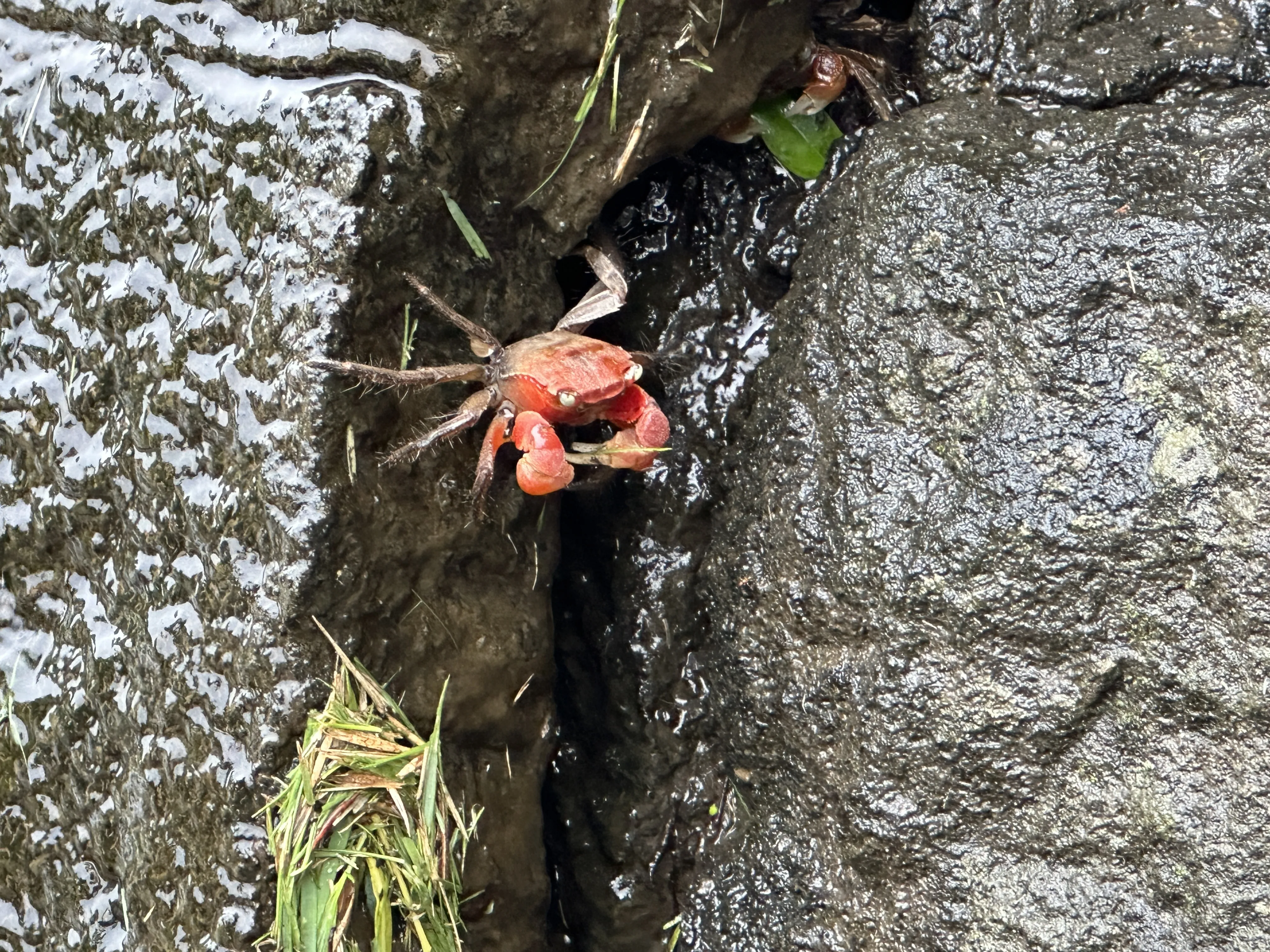
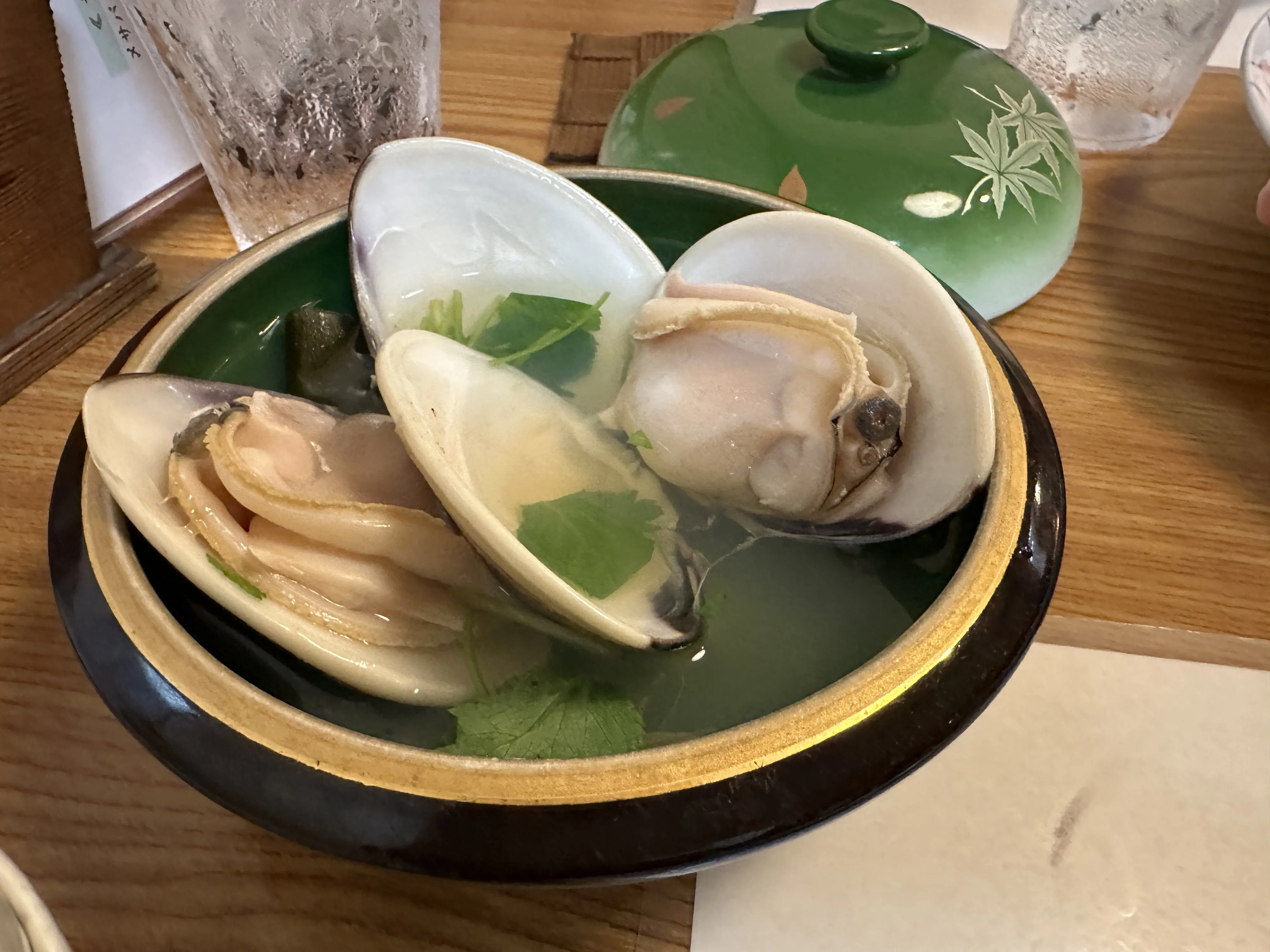
Crab!
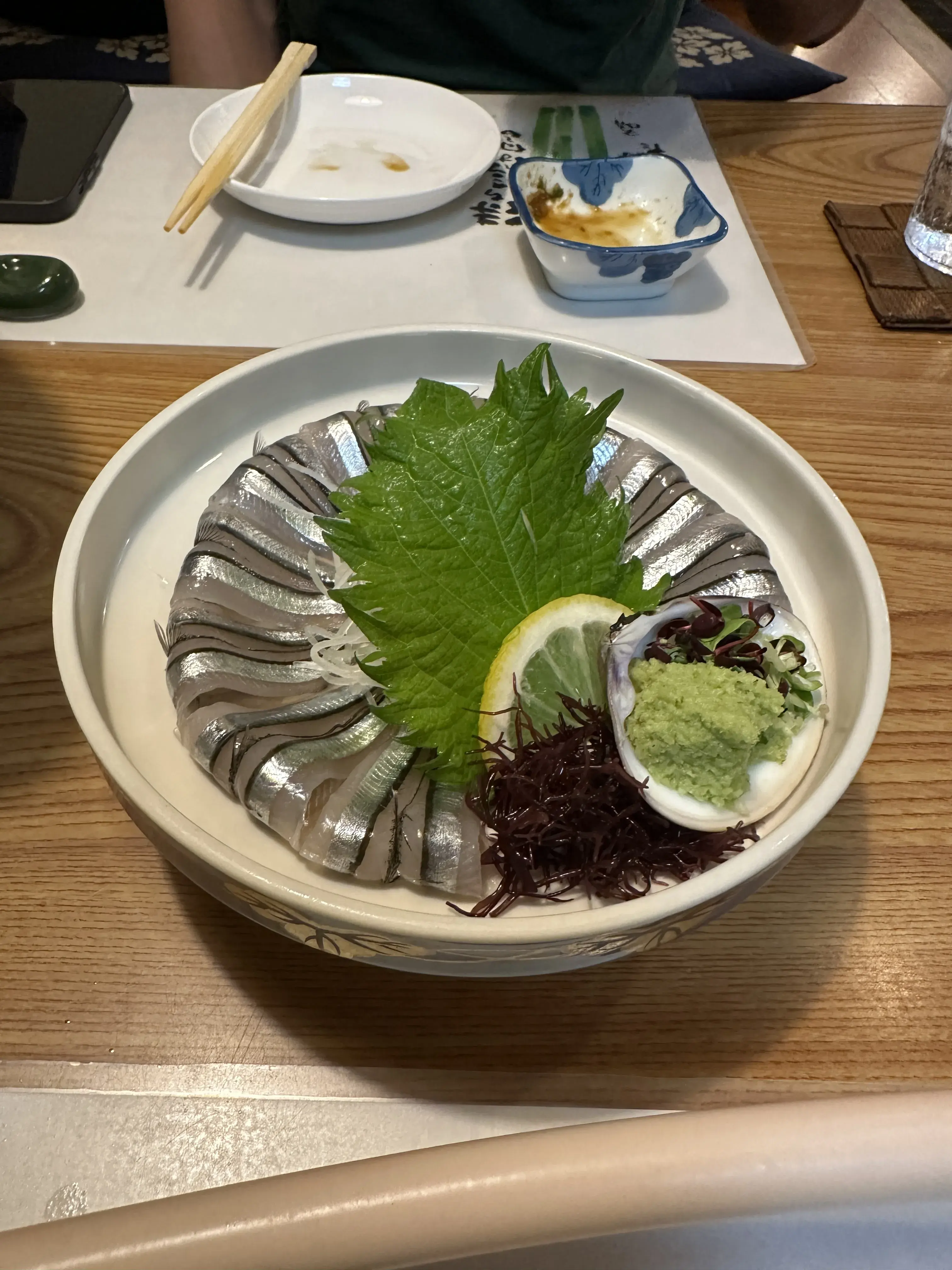
Kibinago sashimi (center), a Kagoshima special, was a little too slimy for me despite how much I like sashimi
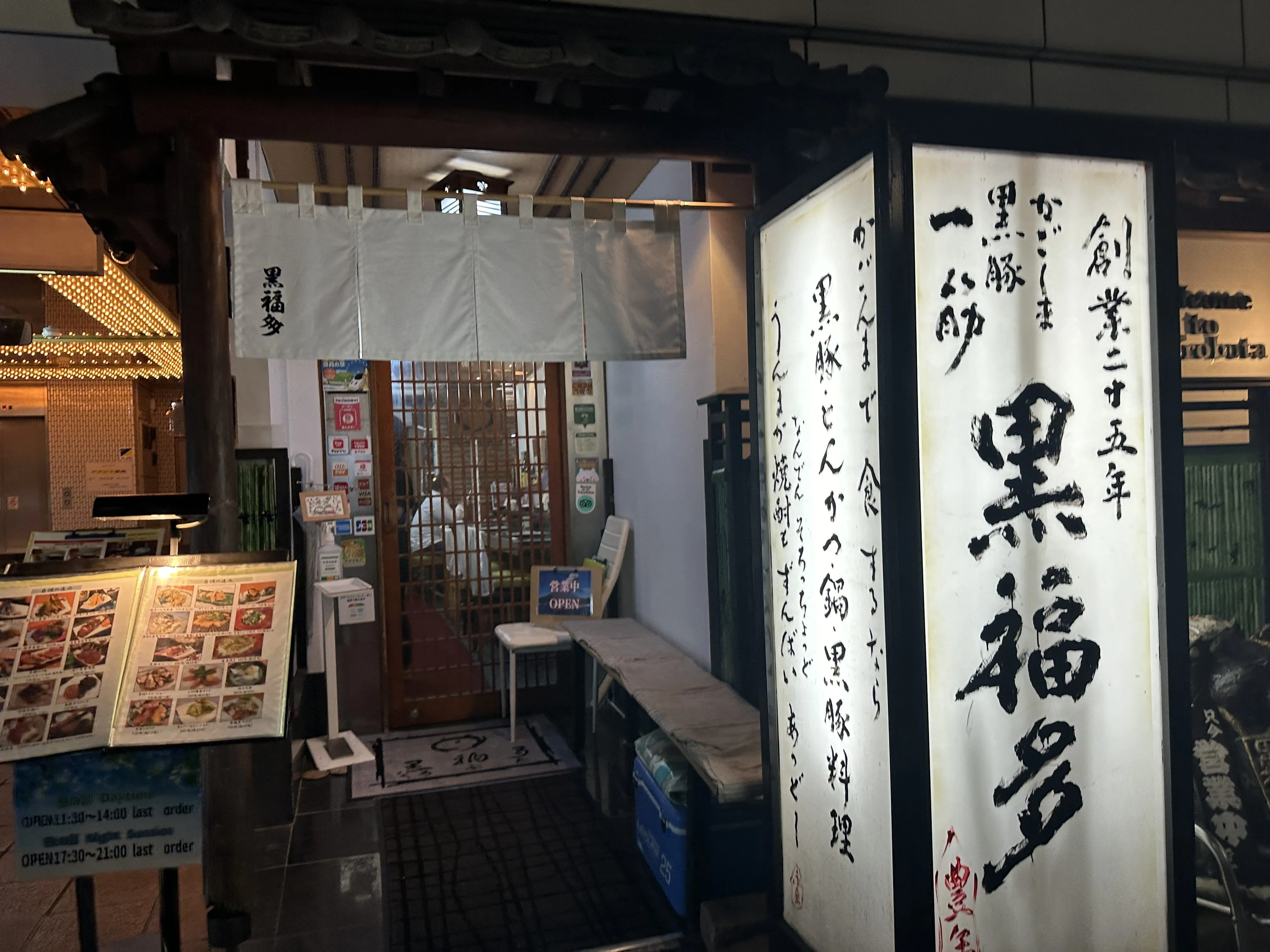
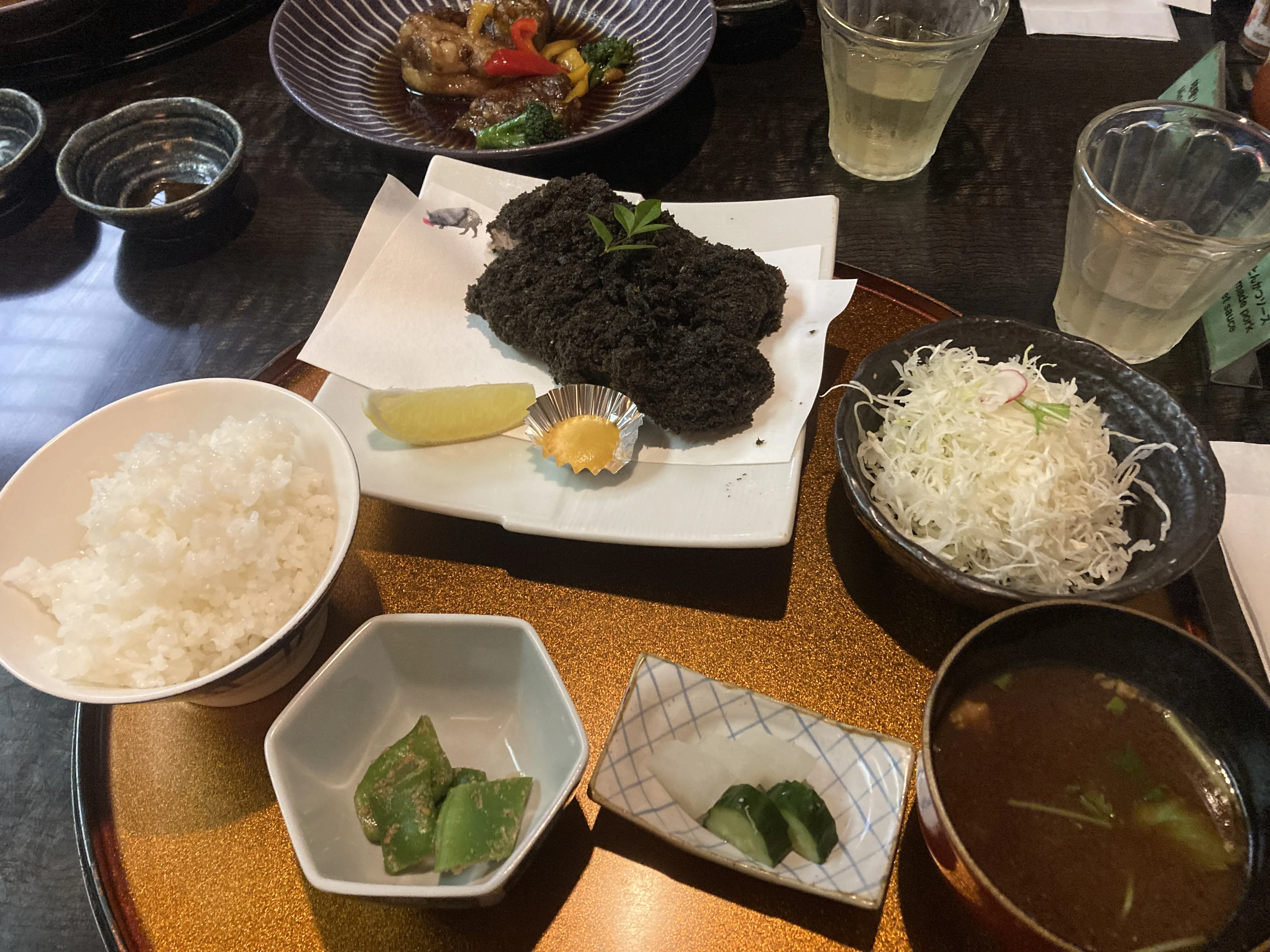
Kurobuta "black pork" tonkotsu
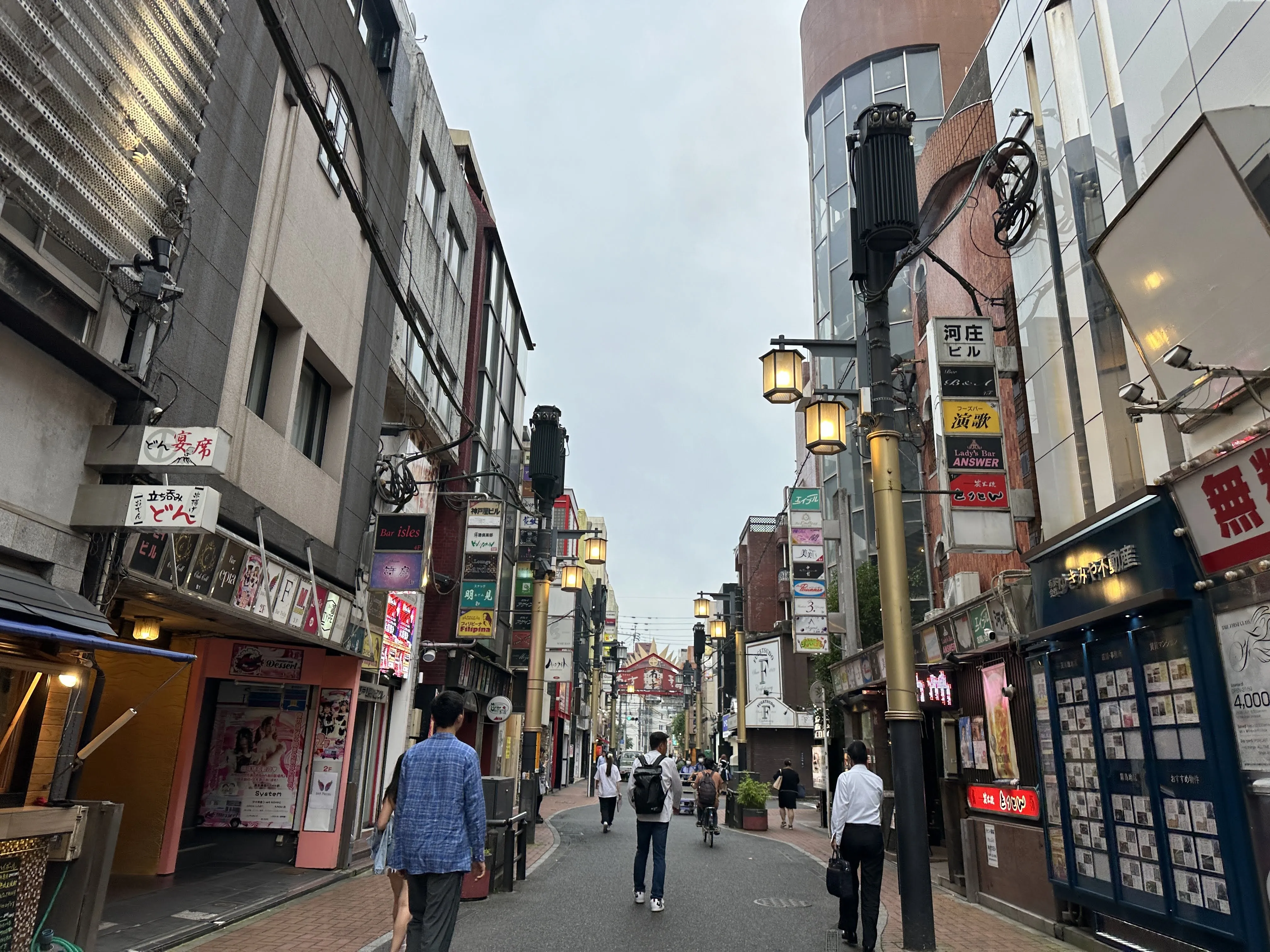
Walking around Kagoshima, a city we all really liked
Day 9: Sakurajima, some museums about Saigo Takamori (not pictured)
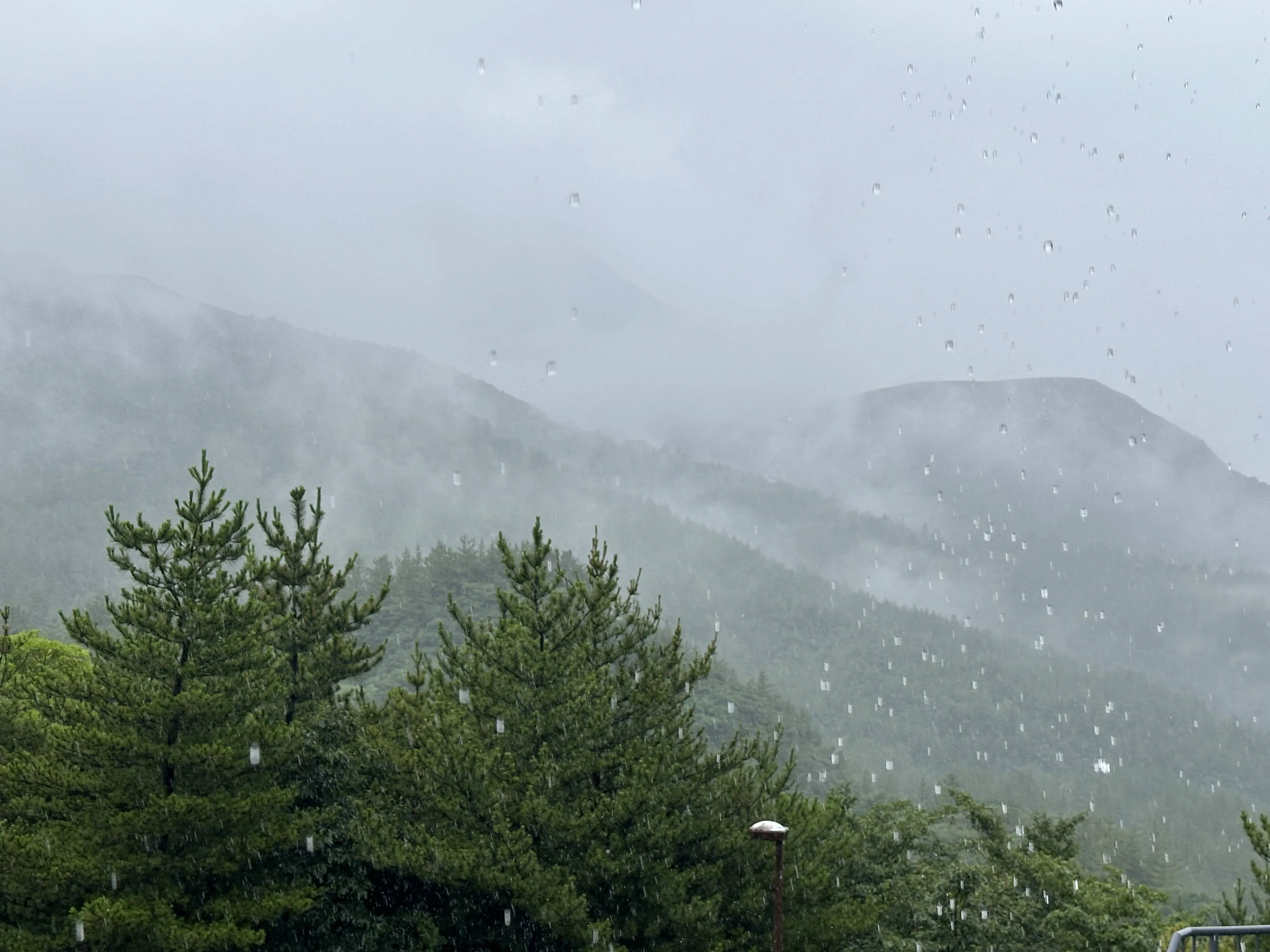
Our second day in Kagoshima was rainy. We drove around Sakurajima, but couldn't really see much with the fog and rain.
Day 10: Traveling to Uno
Day 11: Naoshima Island
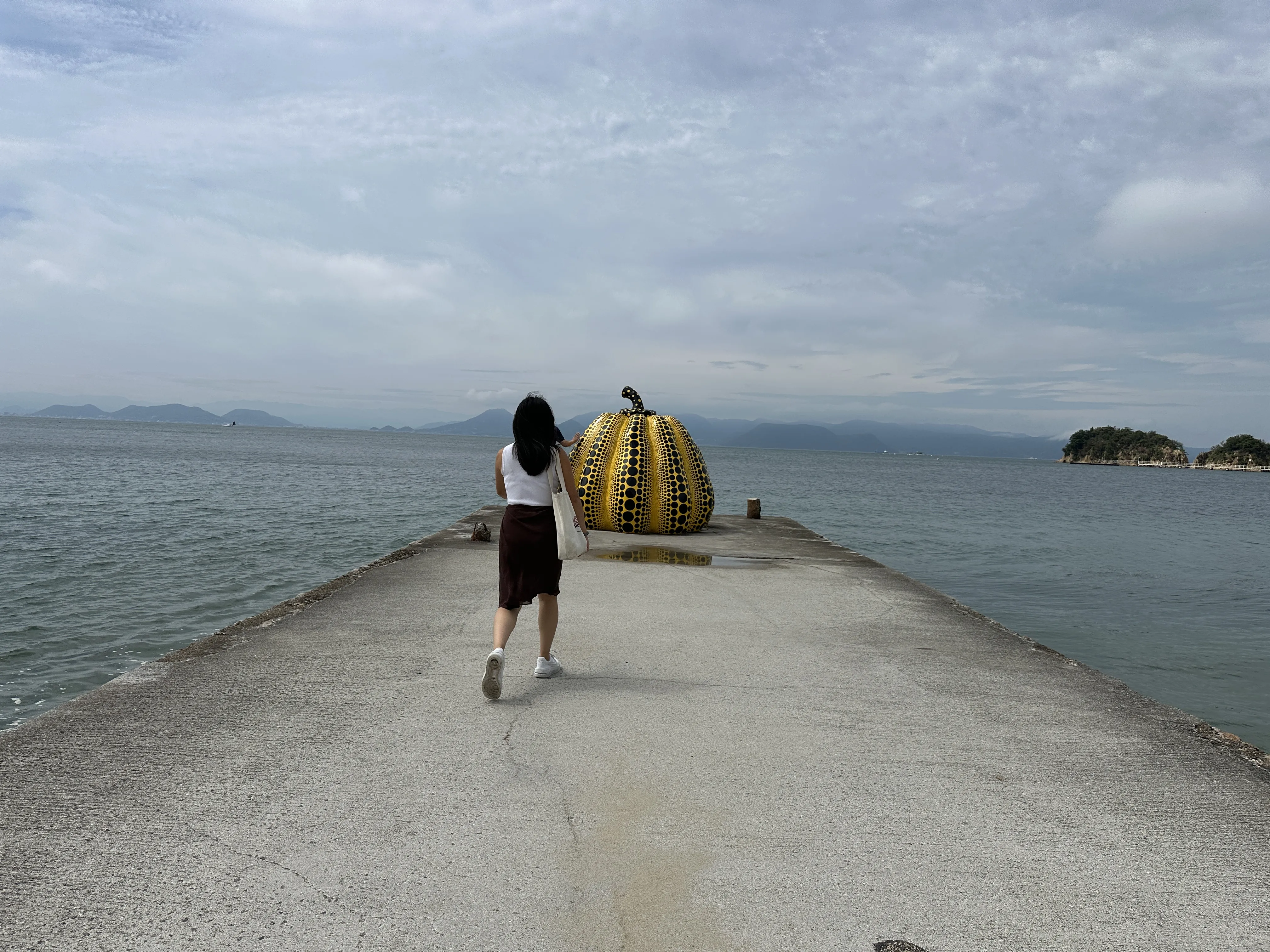
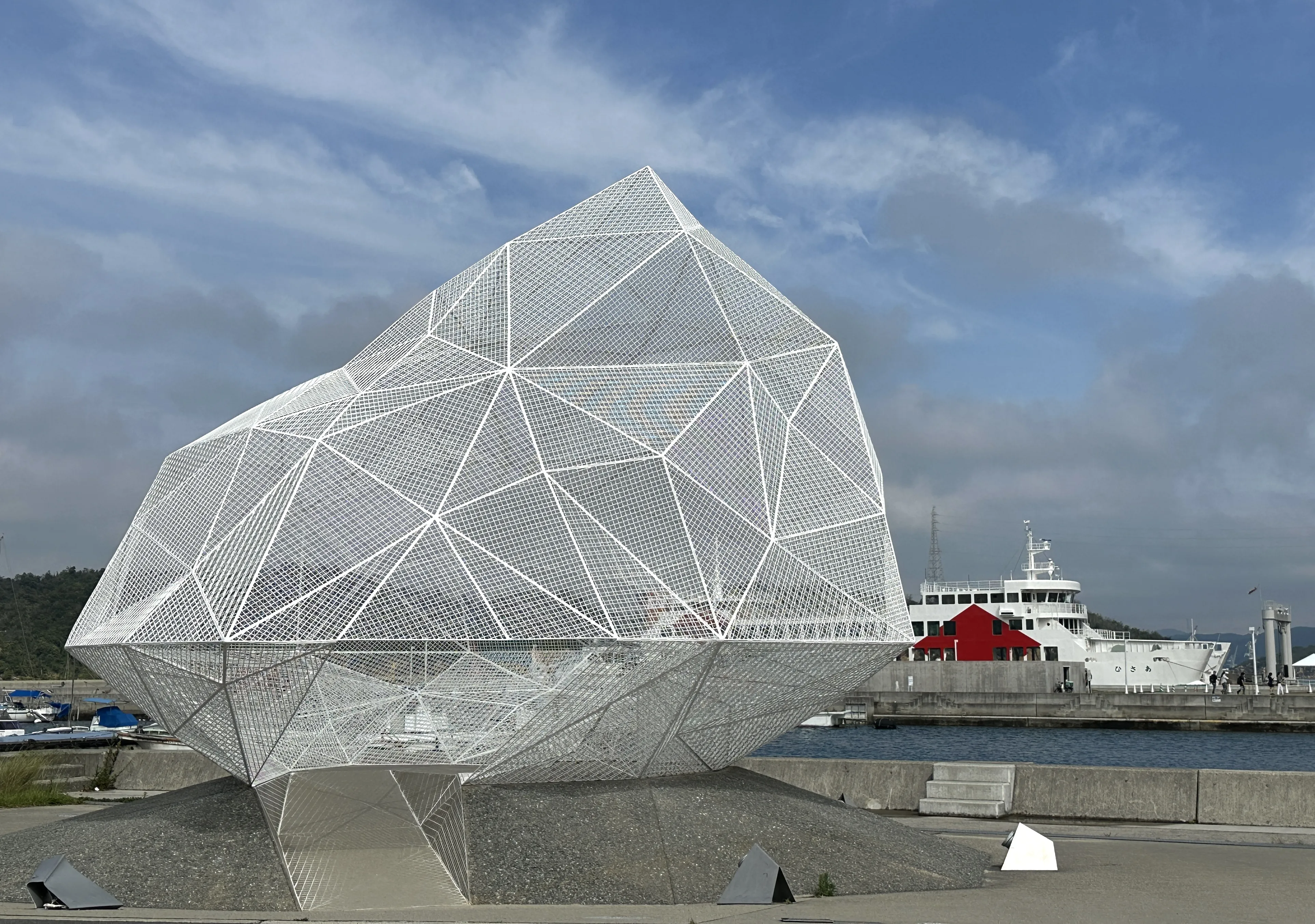
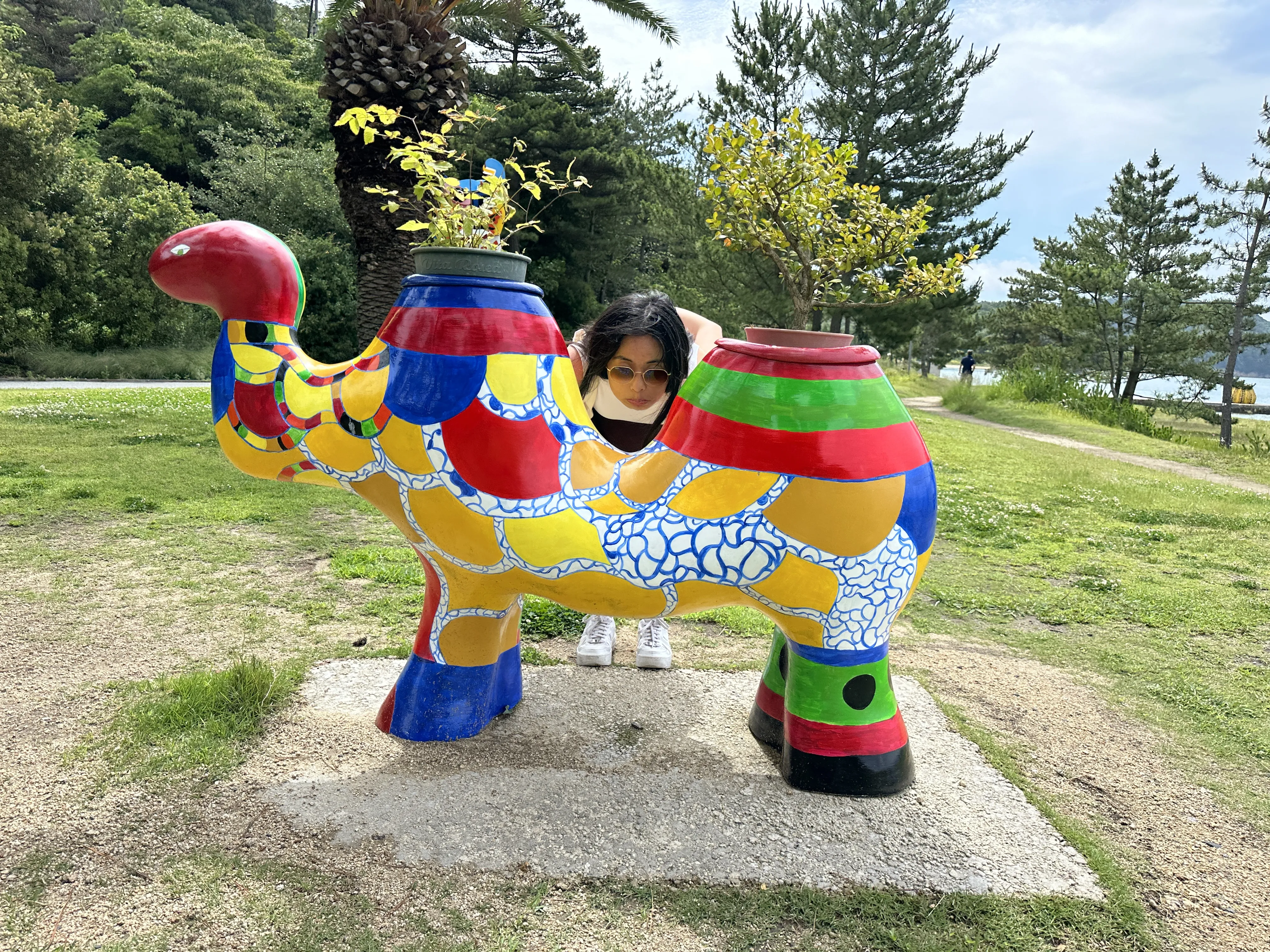
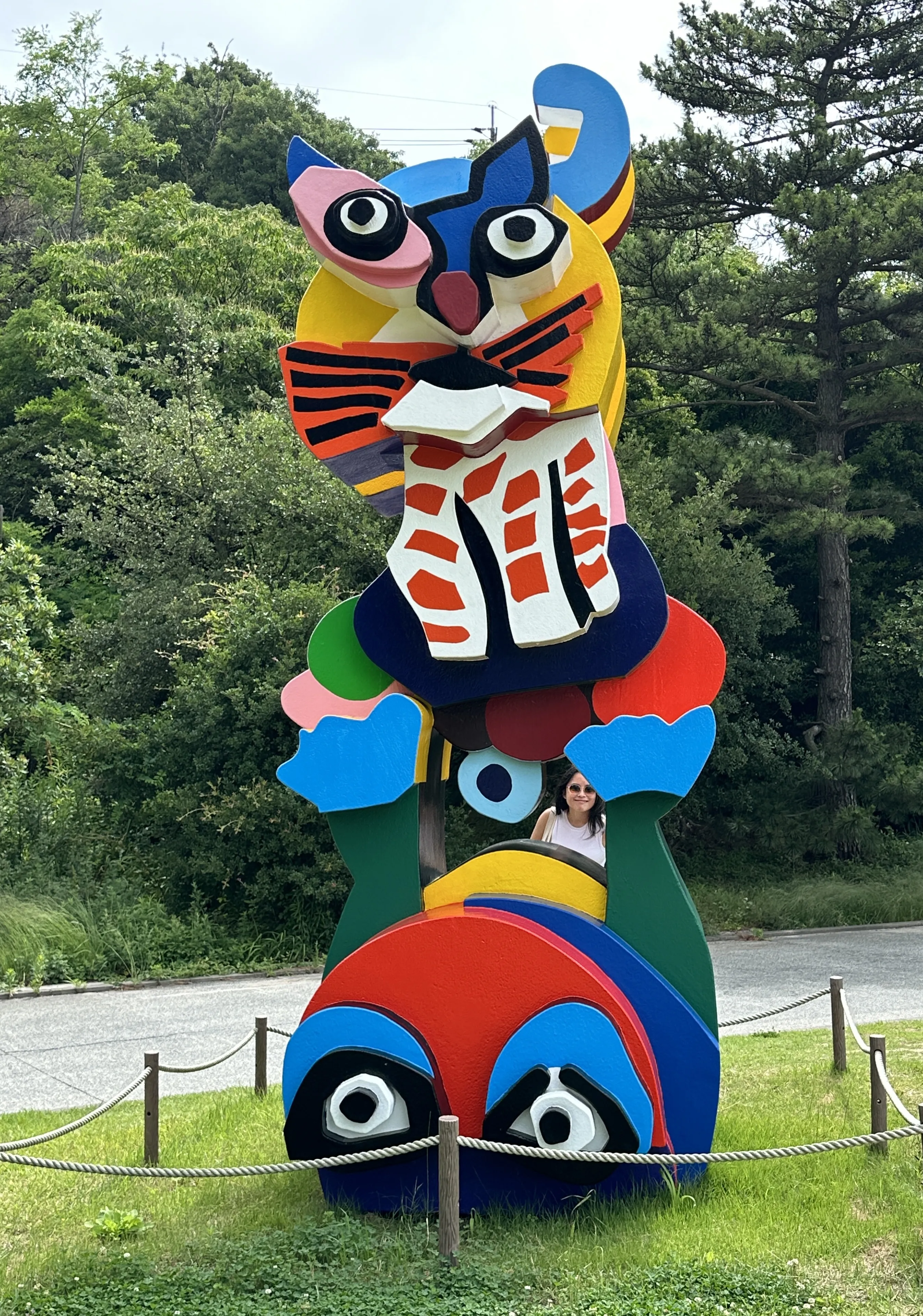
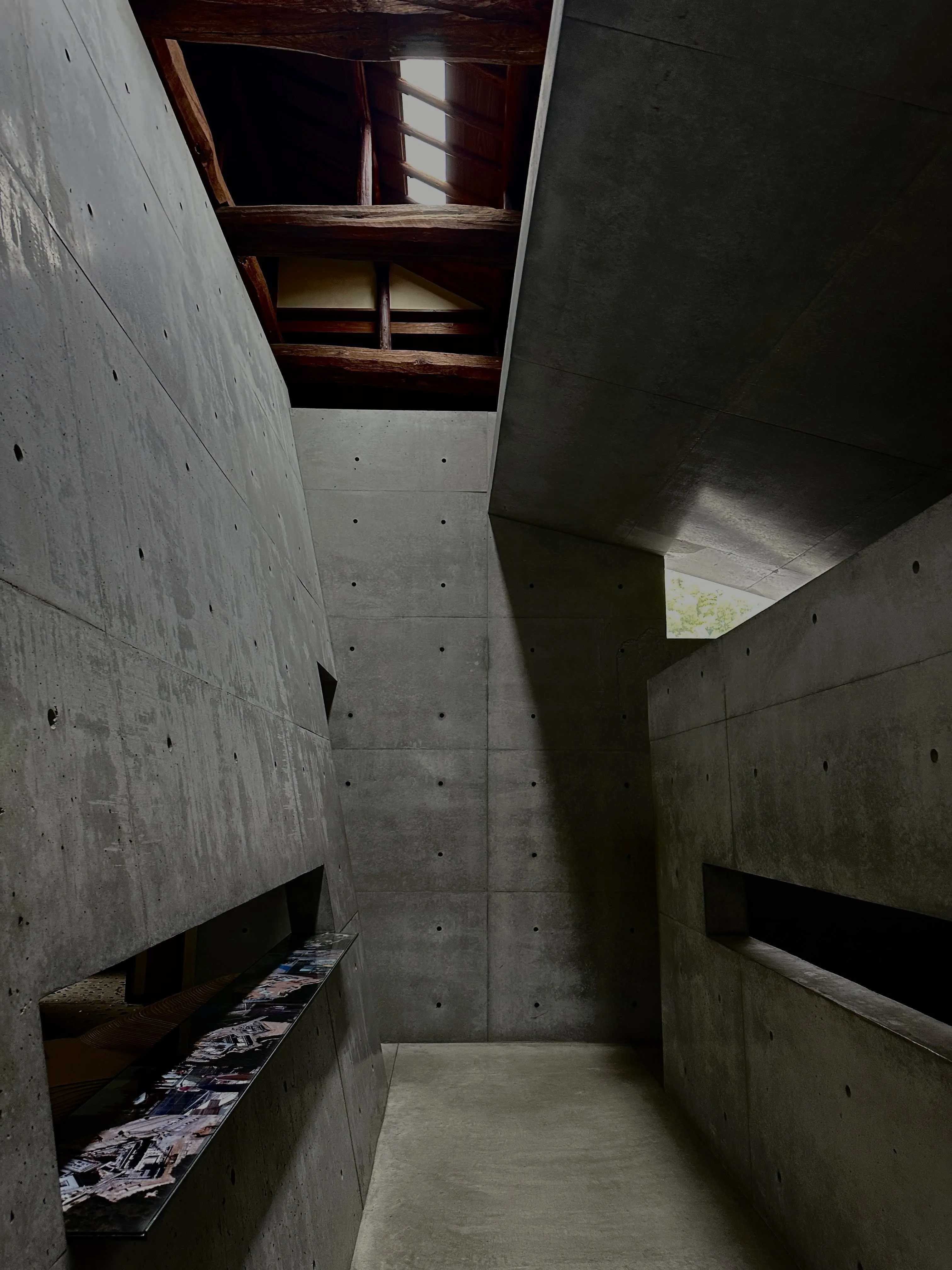
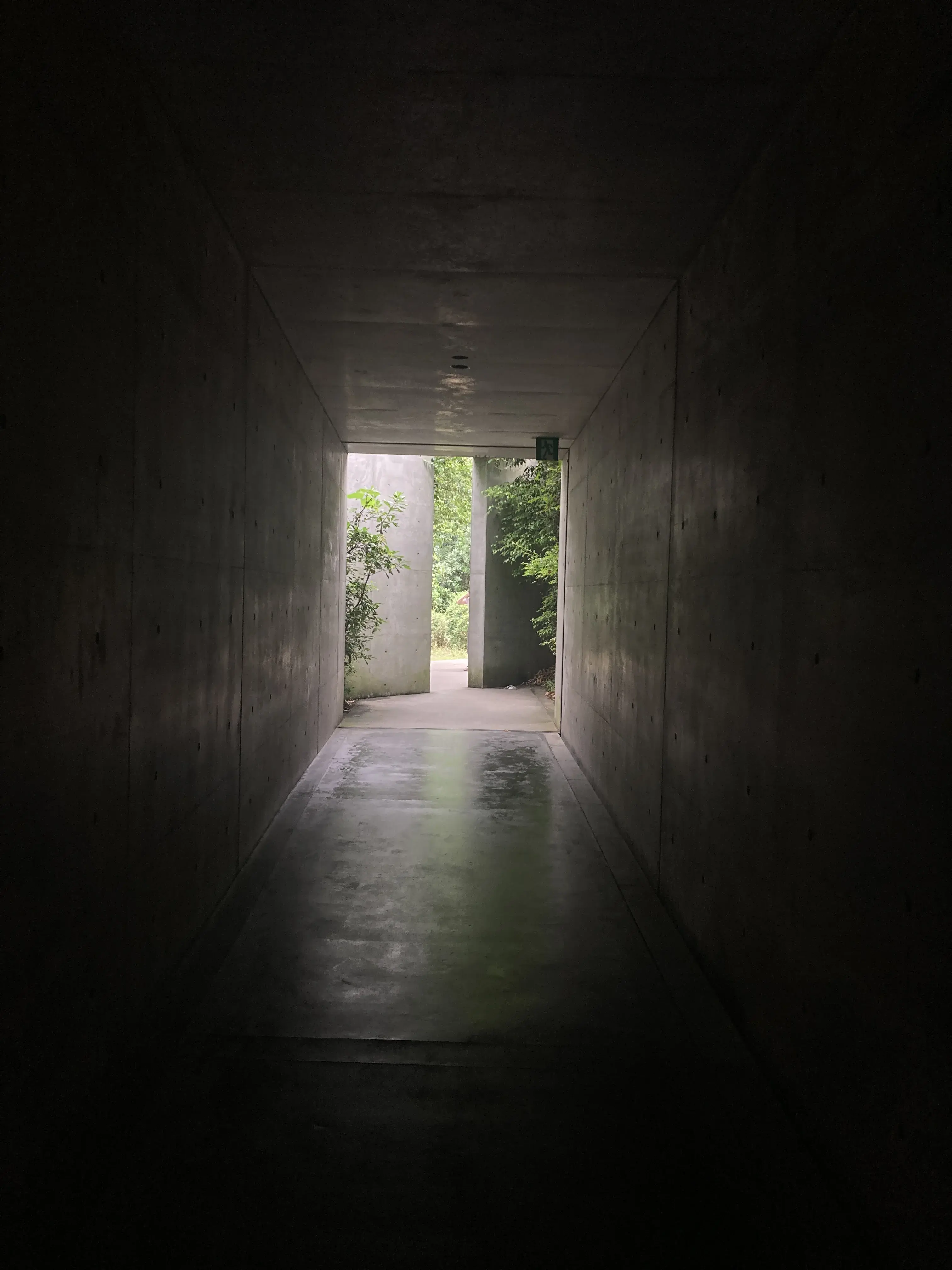
Lots of Tadao Andao concrete structures
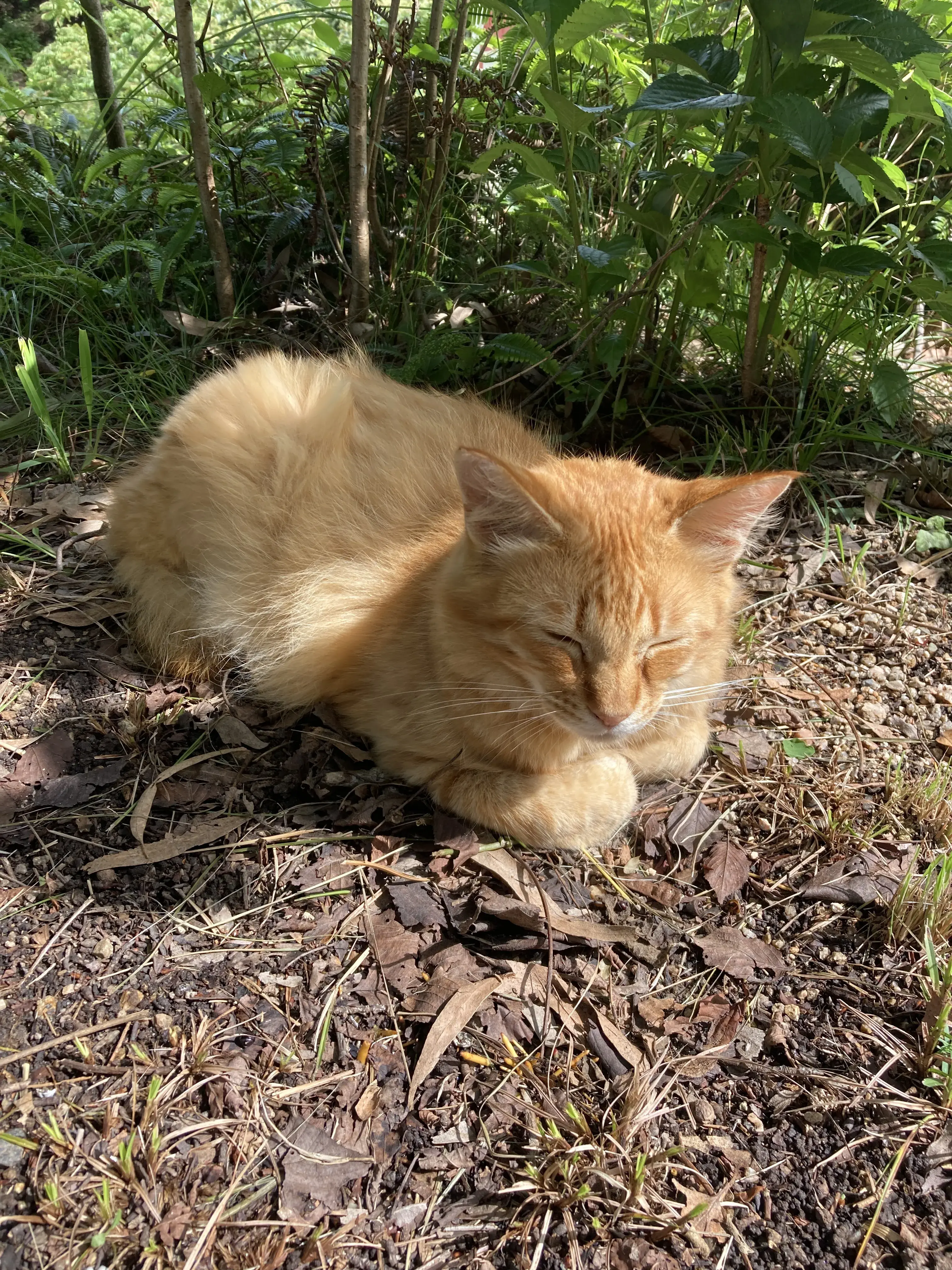
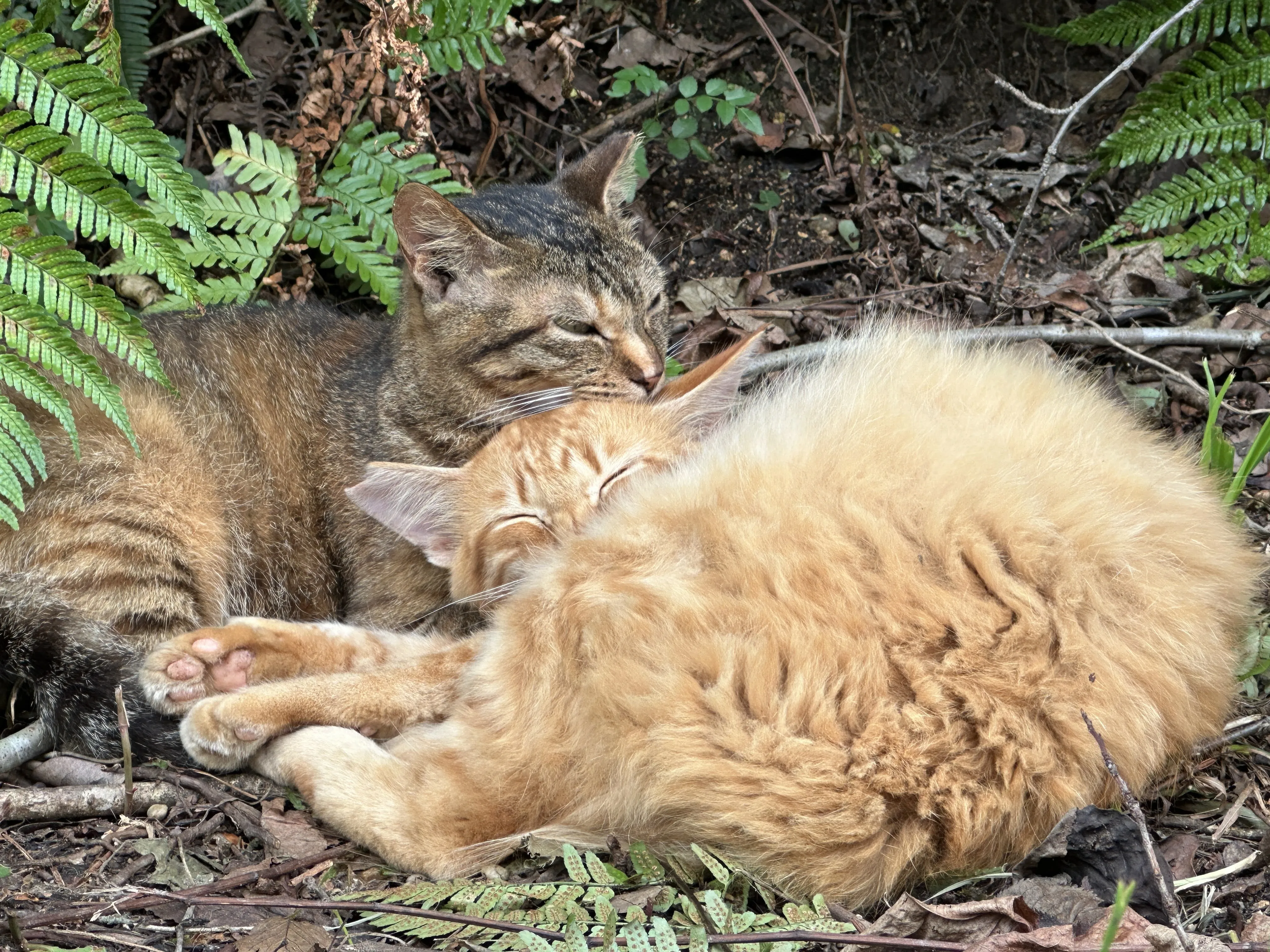
Island cats!
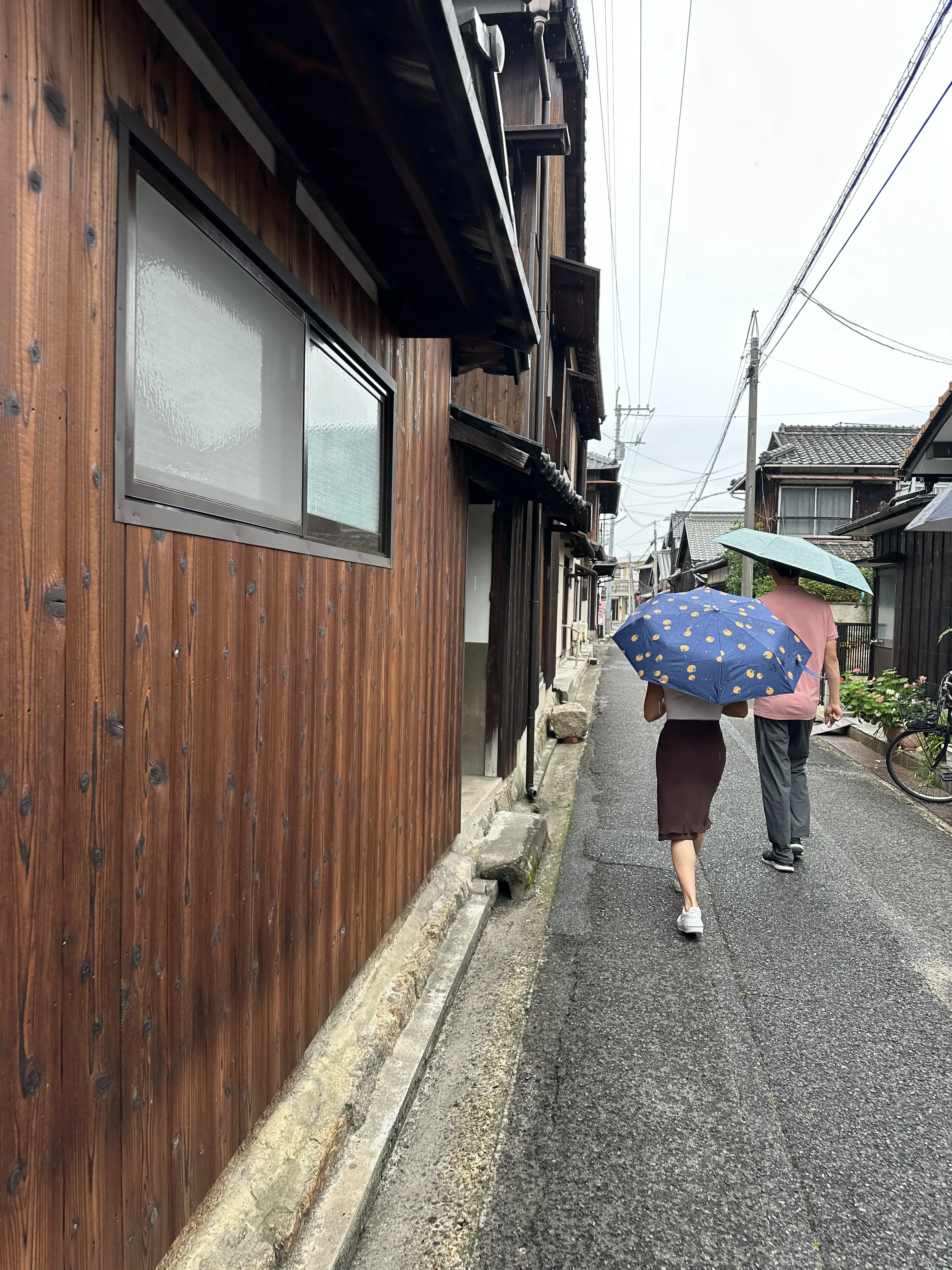
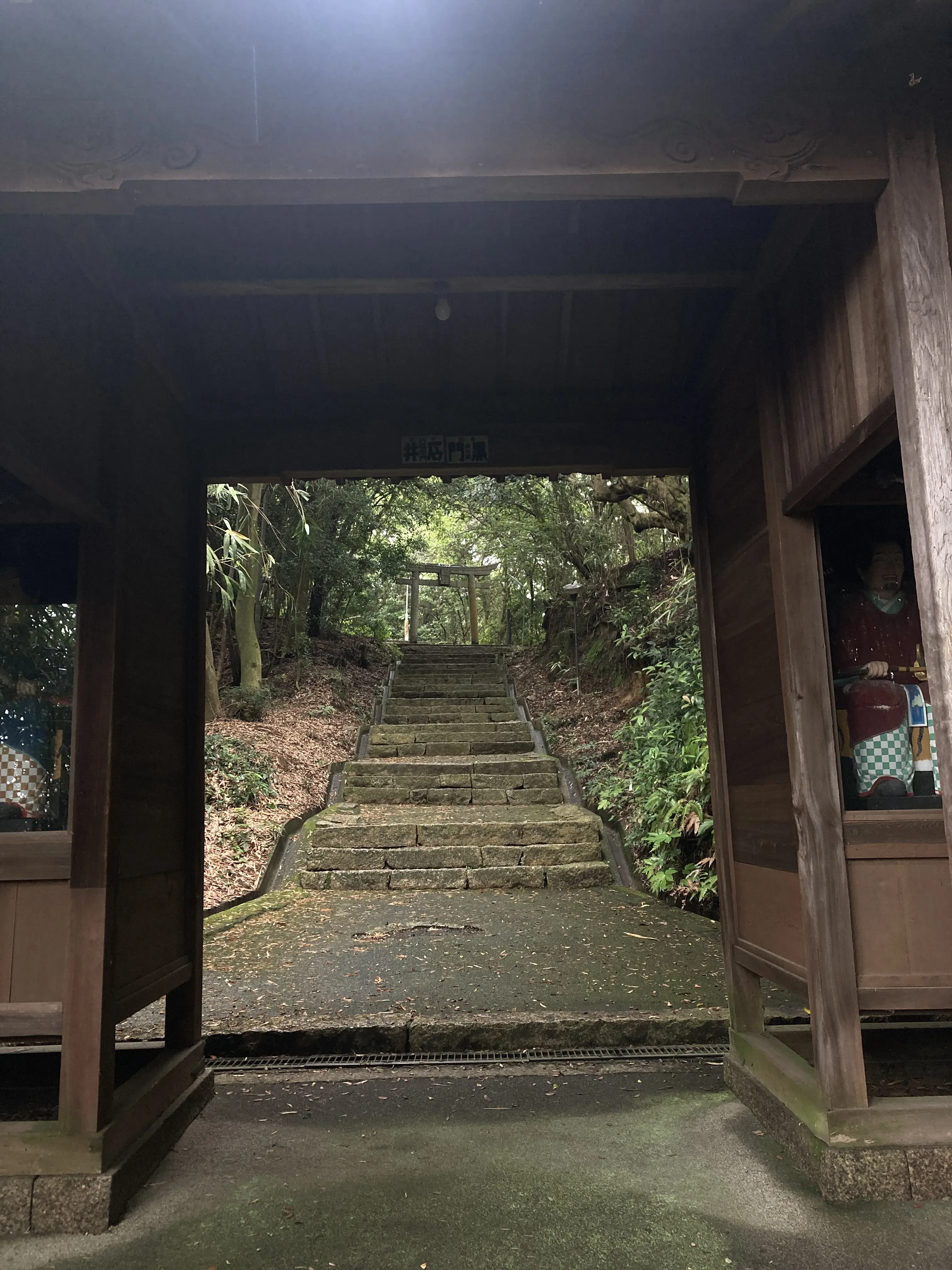
The early afternoon was rainy and consisted of an udon shop run by a nice old couple and a side quest to a mountain shrine.
Day 12–14: Tokyo
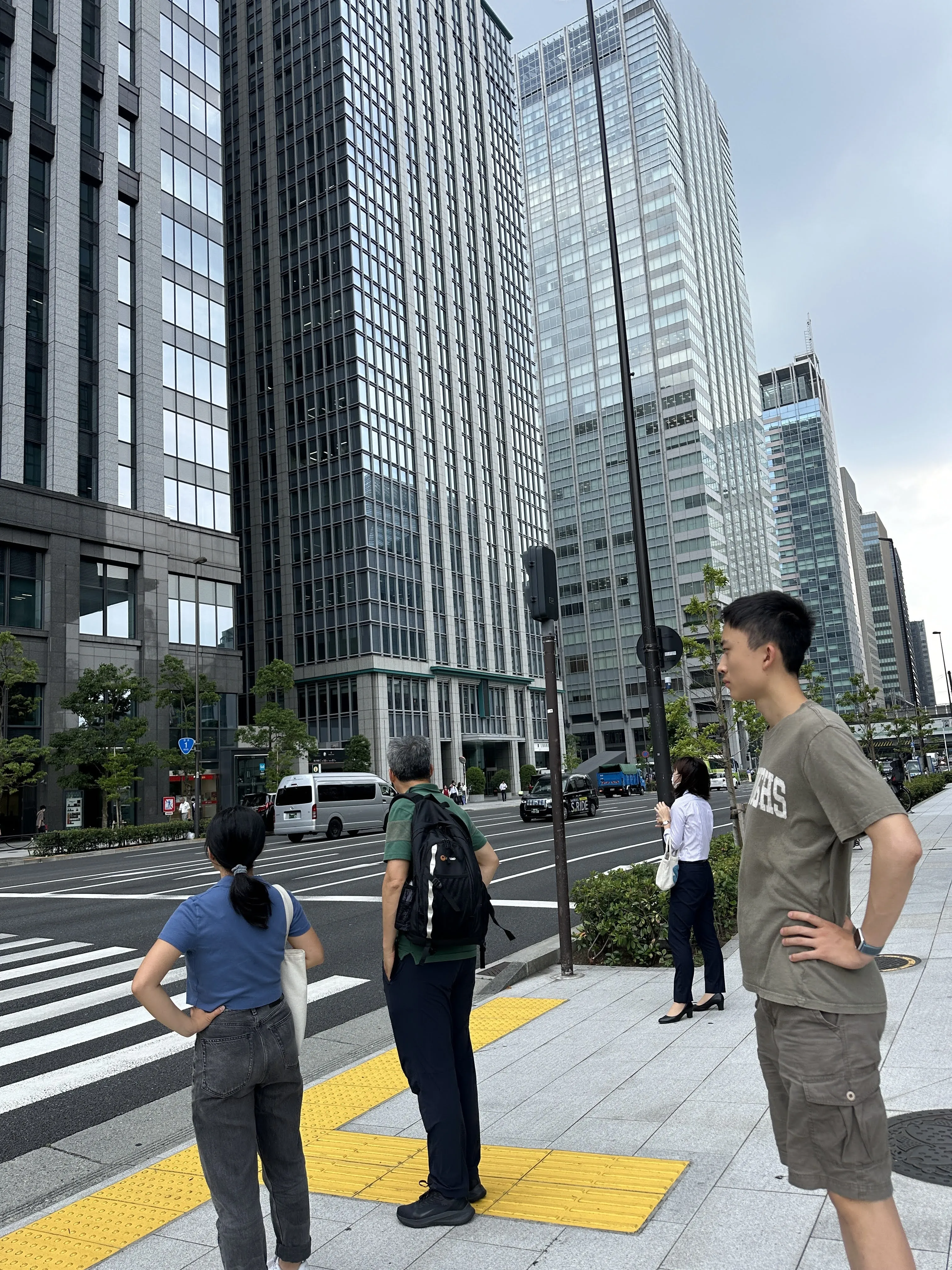
We returned our car in Osaka and trained into Tokyo – back to the city!
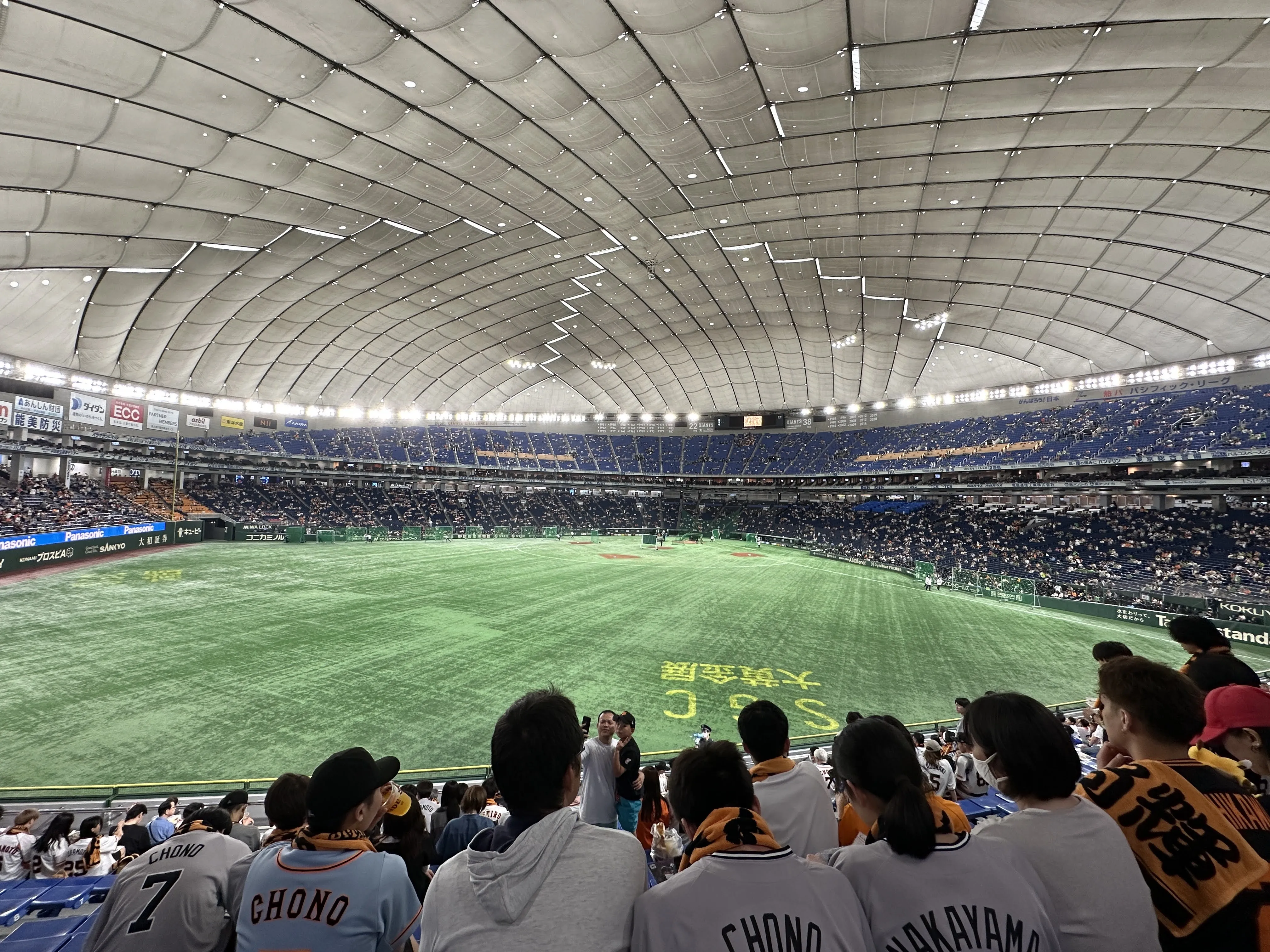
Yomiuri Giants vs. Swallows game at Tokyo Dome. Japanese baseball games are really very fun to watch, and Japanese fans are very enthusiastic and organized. My only other in-person experience was an Angels vs. A's game in Oakland, where Shohei hit a home run, and it was also the Japanese fans in Oakland who carried the vibe of the game.
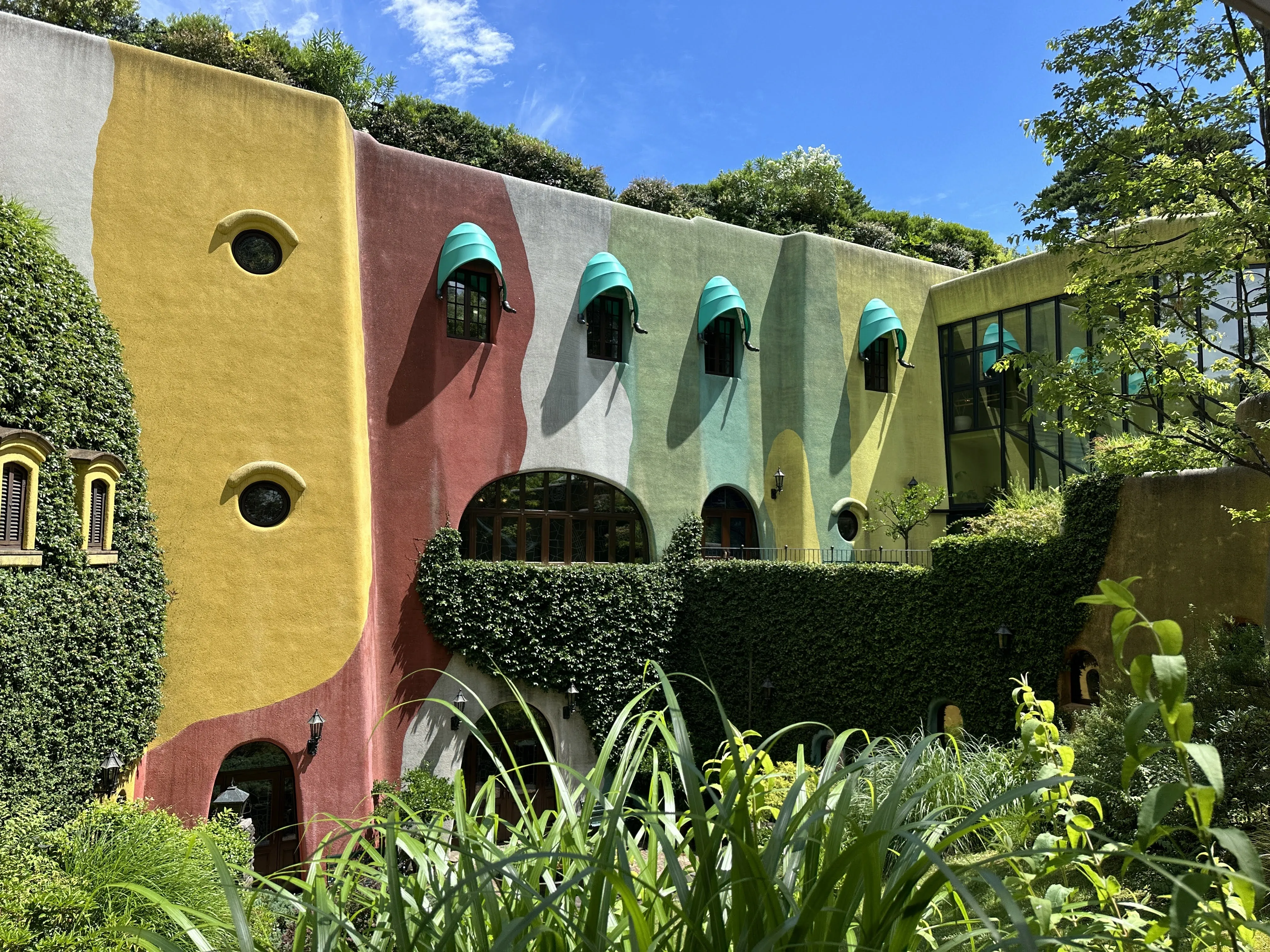
Ghibli Museum. I enjoyed seeing many of the rough sketches of characters, scenes, and corners. Our days in Tokyo, after an exhausting road trip, were mostly spent in our hotel room marathoning Ghibli movies.
We stayed in Ueno and took nice walks around the park, went to the National Museum, and also walked around the University of Tokyo, where my dad's grandfather studied engineering in the 1930s.
Japan 2024.6.12–2024.6.26